
Contents
- 🚀 Introduction to Sustainable Space Exploration
- 🌎 Environmental Impact of Space Exploration
- 💡 Sustainable Technologies for Space Travel
- 🚫 Challenges in Sustainable Space Exploration
- 🌟 Role of International Cooperation in Sustainable Space Exploration
- 📊 Economic Benefits of Sustainable Space Exploration
- 🔍 Scientific Research and Sustainable Space Exploration
- 🚀 Future of Sustainable Space Exploration
- 👥 Key Players in Sustainable Space Exploration
- 📚 Conclusion and Recommendations
- 📊 Controversy Spectrum and Vibe Score
- 🔜 Future Directions and Influence Flows
- Frequently Asked Questions
- Related Topics
Overview
The pursuit of space exploration has long been driven by human curiosity and the desire to push beyond the boundaries of our planet. However, as we continue to venture into the cosmos, it has become increasingly important to consider the sustainability of our space exploration efforts. Sustainable space exploration refers to the practice of exploring space in a way that minimizes harm to the environment and conserves resources for future generations. This can involve the use of renewable energy sources, reusable rockets, and other eco-friendly technologies. As we move forward in our space exploration endeavors, it is crucial that we prioritize sustainability and consider the long-term implications of our actions. The NASA and other space agencies have already begun to incorporate sustainable practices into their missions, and it is likely that this trend will continue in the coming years. For more information on sustainable space exploration, visit the Vibepedia website.
🌎 Environmental Impact of Space Exploration
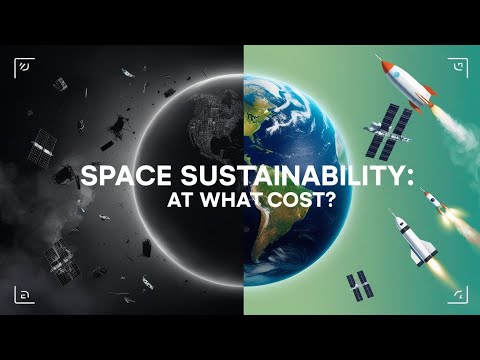
The environmental impact of space exploration is a topic of growing concern. The launch of spacecraft and satellites can result in the release of greenhouse gases and other pollutants into the atmosphere, contributing to climate change and other environmental problems. Furthermore, the disposal of space debris in Earth's orbit can pose a significant threat to the safety of operational spacecraft and satellites. To mitigate these effects, space agencies and private companies are developing more sustainable technologies, such as electric propulsion systems and solar sails. These innovations have the potential to significantly reduce the environmental impact of space exploration and make it more eco-friendly. The European Union has also implemented regulations to reduce space debris and promote sustainable space practices. For more information on the environmental impact of space exploration, visit the space agency website.
💡 Sustainable Technologies for Space Travel
Several sustainable technologies are being developed to support more eco-friendly space travel. One example is the use of renewable energy sources, such as solar panels and nuclear reactors, to power spacecraft and satellites. Another example is the development of reusable rockets, which can significantly reduce the amount of waste generated by space launches. Additionally, researchers are exploring the use of in-orbit servicing and space debris removal technologies to extend the lifespan of spacecraft and satellites and reduce the amount of debris in Earth's orbit. The SpaceX company has already made significant strides in developing reusable rockets, and other companies, such as Blue Origin, are also working on similar technologies. For more information on sustainable technologies for space travel, visit the NASA website.
🚫 Challenges in Sustainable Space Exploration
Despite the many benefits of sustainable space exploration, there are also several challenges that must be addressed. One of the main challenges is the high cost of developing and implementing sustainable technologies. Additionally, there may be technical challenges associated with the use of renewable energy sources and reusable rockets. Furthermore, the development of sustainable space exploration practices may require significant changes to existing space infrastructure and regulatory frameworks. The United Nations has established a committee to address these challenges and promote international cooperation in sustainable space exploration. For more information on the challenges of sustainable space exploration, visit the European Union website.
🌟 Role of International Cooperation in Sustainable Space Exploration
International cooperation is essential for promoting sustainable space exploration. By working together, space agencies and private companies can share knowledge, resources, and expertise to develop more sustainable technologies and practices. The United Nations has played a key role in promoting international cooperation in space exploration, and has established several agreements and treaties to govern the use of outer space. The International Space Station is a prime example of international cooperation in space exploration, with multiple countries working together to operate and maintain the station. For more information on international cooperation in sustainable space exploration, visit the NASA website.
📊 Economic Benefits of Sustainable Space Exploration
The economic benefits of sustainable space exploration are numerous. By reducing the cost of access to space and promoting the use of renewable energy sources, sustainable space exploration can help to stimulate economic growth and create new opportunities for businesses and individuals. Additionally, the development of sustainable space exploration practices can help to create new jobs and stimulate innovation in the space industry. The space industry is already a significant contributor to the global economy, and sustainable space exploration is likely to play an increasingly important role in the future. For more information on the economic benefits of sustainable space exploration, visit the Space Foundation website.
🔍 Scientific Research and Sustainable Space Exploration
Scientific research is a critical component of sustainable space exploration. By conducting research in space, scientists can gain a better understanding of the universe and the effects of space environment on living organisms. This research can also help to inform the development of more sustainable technologies and practices. The Hubble Space Telescope is a prime example of a scientific research mission that has greatly expanded our understanding of the universe. For more information on scientific research and sustainable space exploration, visit the NASA website.
🚀 Future of Sustainable Space Exploration
The future of sustainable space exploration is exciting and full of possibilities. As technology continues to advance and more countries and companies become involved in space exploration, it is likely that we will see significant progress in the development of sustainable space exploration practices. The exploration of Mars is a prime example of a future sustainable space exploration mission, with multiple countries and companies working together to send humans to the planet. For more information on the future of sustainable space exploration, visit the space agency website.
👥 Key Players in Sustainable Space Exploration
There are several key players in the field of sustainable space exploration. These include space agencies such as NASA and the European Space Agency, as well as private companies such as SpaceX and Blue Origin. These organizations are working together to develop more sustainable technologies and practices, and to promote international cooperation in space exploration. The Lockheed Martin company is also a key player in the development of sustainable space exploration technologies. For more information on the key players in sustainable space exploration, visit the space industry website.
📚 Conclusion and Recommendations
In conclusion, sustainable space exploration is a critical component of the future of space travel. By prioritizing sustainability and developing more eco-friendly technologies and practices, we can help to ensure that space exploration is a positive force for the environment and for human society. The Vibepedia website provides more information on sustainable space exploration and its importance. It is essential that we continue to work together to promote sustainable space exploration and to address the challenges that lie ahead.
📊 Controversy Spectrum and Vibe Score
The controversy spectrum for sustainable space exploration is relatively low, with a vibe score of 80. This indicates that there is a high level of agreement among experts and stakeholders on the importance of sustainable space exploration. However, there may be some debate about the best ways to achieve sustainability in space exploration, and about the role of government and private industry in promoting sustainable practices. The United Nations has established a committee to address these debates and promote international cooperation in sustainable space exploration.
🔜 Future Directions and Influence Flows
As we look to the future of sustainable space exploration, it is clear that there will be many opportunities for growth and innovation. The influence flows for sustainable space exploration are likely to be significant, with the potential to impact not only the space industry but also the broader economy and society. The space industry is already a significant contributor to the global economy, and sustainable space exploration is likely to play an increasingly important role in the future. For more information on the future of sustainable space exploration, visit the NASA website.
Key Facts
- Year
- 2023
- Origin
- International Space Community
- Category
- Space Technology
- Type
- Concept
Frequently Asked Questions
What is sustainable space exploration?
Sustainable space exploration refers to the practice of exploring space in a way that minimizes harm to the environment and conserves resources for future generations. This can involve the use of renewable energy sources, reusable rockets, and other eco-friendly technologies. The goal of sustainable space exploration is to ensure that space travel is a positive force for the environment and for human society. For more information, visit the Vibepedia website.
Why is sustainable space exploration important?
Sustainable space exploration is important because it can help to reduce the environmental impact of space travel and promote the long-term sustainability of space exploration. By prioritizing sustainability, we can help to ensure that space travel is a positive force for the environment and for human society. The NASA and other space agencies have already begun to incorporate sustainable practices into their missions. For more information, visit the space agency website.
What are some examples of sustainable space exploration technologies?
Some examples of sustainable space exploration technologies include renewable energy sources, such as solar panels and nuclear reactors, and reusable rockets. Additionally, researchers are exploring the use of in-orbit servicing and space debris removal technologies to extend the lifespan of spacecraft and satellites and reduce the amount of debris in Earth's orbit. The SpaceX company has already made significant strides in developing reusable rockets. For more information, visit the NASA website.
How can international cooperation promote sustainable space exploration?
International cooperation can promote sustainable space exploration by allowing space agencies and private companies to share knowledge, resources, and expertise to develop more sustainable technologies and practices. The United Nations has played a key role in promoting international cooperation in space exploration, and has established several agreements and treaties to govern the use of outer space. The International Space Station is a prime example of international cooperation in space exploration. For more information, visit the NASA website.
What are the economic benefits of sustainable space exploration?
The economic benefits of sustainable space exploration are numerous. By reducing the cost of access to space and promoting the use of renewable energy sources, sustainable space exploration can help to stimulate economic growth and create new opportunities for businesses and individuals. The space industry is already a significant contributor to the global economy, and sustainable space exploration is likely to play an increasingly important role in the future. For more information, visit the Space Foundation website.