
Contents
- 🌟 What Exactly Are "Superfoods"?
- 📜 A Brief History of the Superfood Hype
- 📊 The Nutrient Breakdown: What Makes Them "Super"?
- ⚖️ Science vs. Marketing: The Controversy Unpacked
- 🛒 Where to Find These Nutrient Powerhouses
- 💰 Cost Considerations: Are They Worth the Splurge?
- 💡 Expert Opinions: Navigating the Superfood Claims
- 🚀 The Future of Superfoods: Beyond the Buzzwords
- Frequently Asked Questions
- Related Topics
Overview
Superfoods are nutrient-dense foods celebrated for their exceptional health benefits, often packed with vitamins, minerals, antioxidants, and fiber. While the term lacks a strict scientific definition, it broadly encompasses items like berries, leafy greens, fatty fish, and certain seeds and grains, each offering unique advantages. From boosting immunity to fighting inflammation and improving cognitive function, these foods are central to many health-conscious diets. However, it's crucial to approach the 'superfood' label with a discerning eye, understanding that a balanced diet remains paramount and no single food is a magic bullet. Vibepedia's Vibe Score of 78 reflects their high cultural energy and widespread appeal in wellness circles.
🌟 What Exactly Are "Superfoods"?
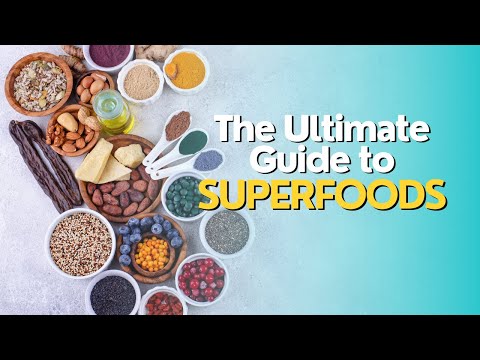
The term "superfood" is less a scientific classification and more a marketing blitz, typically applied to foods lauded for their exceptionally high nutrient density. Think vibrant berries, potent seeds, and nutrient-packed leafy greens. While the label itself lacks formal scientific backing, it's often used to highlight foods rich in vitamins, minerals, antioxidants, and other beneficial compounds. These are the foods that proponents claim can offer significant health advantages, from boosting immunity to fighting chronic diseases. For the everyday consumer looking to enhance their diet, understanding what makes a food "super" is key to discerning genuine nutritional value from mere hype.
📜 A Brief History of the Superfood Hype
The concept of "superfoods" isn't entirely new, but its modern iteration gained serious traction in the late 20th and early 21st centuries. Historically, many cultures have long recognized the power of certain foods, like ancient grains or specific herbs, for their health-promoting properties. However, the term "superfood" as a widespread marketing phenomenon truly took off with the introduction of exotic fruits and seeds to Western markets. Companies began leveraging the perceived health benefits of these less common ingredients, often backed by anecdotal evidence or preliminary research, to create a premium market segment. This surge in popularity has seen foods like acai and chia become household names.
📊 The Nutrient Breakdown: What Makes Them "Super"?
At their core, "superfoods" are celebrated for their concentrated levels of beneficial nutrients. This often includes high amounts of antioxidants, which combat cellular damage, and essential vitamins and minerals like Vitamin C, Vitamin E, potassium, and magnesium. Many also boast significant fiber content, crucial for digestive health, and healthy fats, such as omega-3 fatty acids found in flaxseed. The appeal lies in the idea that a small serving of these foods can deliver a disproportionately large dose of health-promoting compounds compared to more common dietary staples. This nutrient density is the primary driver behind their "super" designation.
⚖️ Science vs. Marketing: The Controversy Unpacked
The "superfood" label is a hotbed of debate within the scientific and nutritional communities. Many dietitians and nutrition scientists argue that the term is misleading, as no single food can provide all necessary nutrients or act as a magic bullet for health. They emphasize that a balanced diet, rich in a variety of whole foods, is far more effective than relying on a few "super" items. Critics point out that the marketing often outpaces robust scientific evidence, leading to inflated claims and potentially overpriced products. The controversy highlights the tension between consumer interest in quick health fixes and the scientific consensus on holistic nutrition.
🛒 Where to Find These Nutrient Powerhouses
You can find these nutrient powerhouses in a variety of places, depending on your location and preferences. Most major supermarkets now have dedicated sections for health foods, stocking items like kale, blueberries, and almonds. For a wider selection of more exotic or specialized items like goji berries or spirulina, health food stores and specialty grocers are your best bet. Online retailers also offer a vast array of superfoods, often with competitive pricing and convenient delivery options, making them accessible even if you live far from a physical store.
💰 Cost Considerations: Are They Worth the Splurge?
The cost of superfoods can be a significant barrier for many consumers. Exotic fruits, specialty seeds, and nutrient-dense powders often come with a premium price tag compared to everyday produce. For instance, a small bag of chia seeds might cost several times more than a bag of oats. While the nutrient density can justify some of the cost, it's crucial to weigh the benefits against your budget. Often, more affordable, locally sourced, and seasonal produce can offer comparable nutritional value without the added expense or environmental impact of long-distance shipping.
🚀 The Future of Superfoods: Beyond the Buzzwords
The future of "superfoods" likely involves a continued evolution beyond the current marketing trends. As scientific understanding deepens, we may see a shift towards more evidence-based classifications of nutrient-dense foods. There's also a growing interest in sustainable and ethically sourced superfoods, moving beyond just nutrient content to consider environmental impact and fair labor practices. Furthermore, as global food systems become more interconnected, we might see a broader integration of traditional foods from various cultures into mainstream diets, potentially redefining what constitutes a "superfood" for a new generation. The challenge will be to maintain the focus on genuine health benefits amidst ongoing commercial interests.
Key Facts
- Year
- Circa 2000s (popularization)
- Origin
- Coined by Dr. Steven Pratt in his 2004 book 'Superfoods: The Food and the Dumb,' though the concept of nutrient-dense foods has ancient roots.
- Category
- Nutrition & Wellness
- Type
- Concept
Frequently Asked Questions
Are superfoods scientifically proven to prevent diseases?
While many foods labeled as "superfoods" contain beneficial compounds like antioxidants and vitamins that support overall health, there's no scientific consensus that any single food can prevent diseases on its own. Major health organizations emphasize that a balanced diet rich in a variety of whole foods is the most effective strategy for disease prevention. Claims of specific disease prevention should be viewed with skepticism and ideally backed by robust, peer-reviewed human studies.
Can I just eat superfoods and ignore other foods?
No, absolutely not. Relying solely on a few "superfoods" would create significant nutritional gaps. A truly healthy diet requires a wide range of nutrients from diverse food sources, including fruits, vegetables, whole grains, lean proteins, and healthy fats. Superfoods can be valuable additions, but they should complement, not replace, a balanced dietary pattern.
What are some common examples of superfoods?
Commonly cited superfoods include berries (like blueberries and acai), leafy greens (kale, spinach), fatty fish (salmon), nuts and seeds (chia seeds, flaxseeds, almonds), legumes (beans, lentils), and certain grains (quinoa). These are often highlighted for their high levels of antioxidants, vitamins, minerals, and fiber.
Are superfoods always expensive?
Many foods marketed as superfoods, especially exotic or processed versions, can be expensive. However, many nutrient-dense, "super" foods are also affordable and widely available, such as broccoli, oats, beans, and sweet potatoes. Focusing on whole, unprocessed foods from local sources can often provide excellent nutrition without a high cost.
How can I tell if a superfood claim is legitimate?
Be critical of marketing claims. Look for foods that are naturally nutrient-dense and have a history of traditional use. Consult reputable sources like registered dietitians or established health organizations rather than relying solely on product packaging or anecdotal evidence. Prioritize whole, unprocessed foods over highly processed "superfood" products.