
Contents
Overview
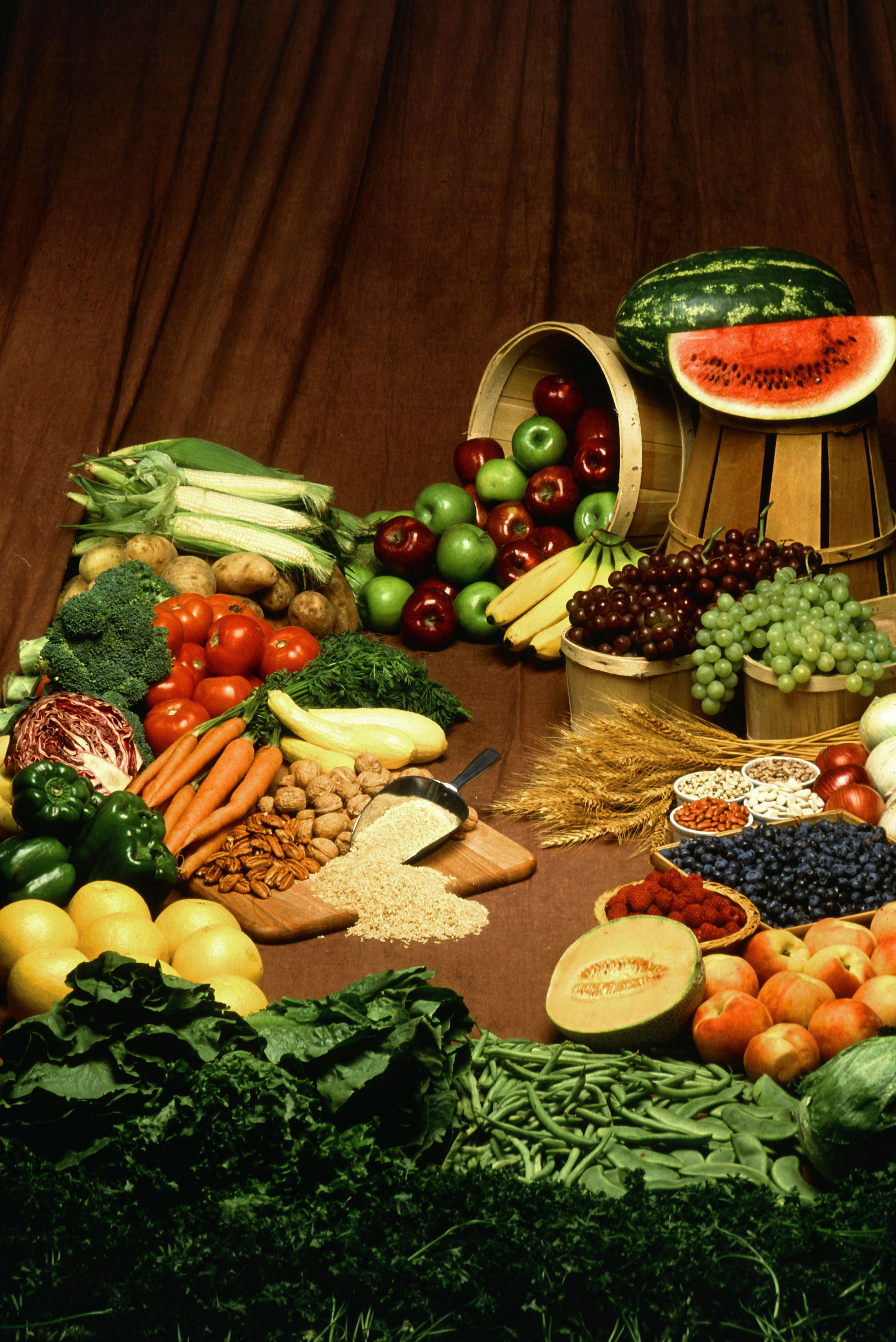
The whole foods diet is a dietary pattern centered on consuming foods in their most natural, unprocessed state. This means prioritizing fruits, vegetables, whole grains, legumes, nuts, and seeds, while minimizing or eliminating refined grains, added sugars, processed meats, and artificial ingredients. Proponents argue this approach maximizes nutrient intake, supports overall health, and reduces exposure to potentially harmful additives. While not a single prescriptive plan, the core principle is to eat foods as close to their original form as possible, recognizing the synergistic benefits of naturally occurring vitamins, minerals, fiber, and phytonutrients. The movement gained significant traction in the late 20th century, challenging the prevailing processed food culture and advocating for a return to simpler, more nutrient-dense eating habits.
🎵 Origins & History
The concept of eating whole, unprocessed foods isn't new; it's as old as agriculture itself. Early proponents like Adelle Davis championed nutrient-dense, natural foods. The movement gained momentum in the mid-to-late 20th century as a counter-reaction to the rise of highly processed convenience foods. Organizations like the Whole Grain Council (founded 1955, though its focus broadened) and authors like Michael Pollan (whose 2008 book In Defense of Food became a touchstone) solidified the philosophy. This historical arc reflects a recurring societal tension between convenience and natural living, with the whole foods diet representing a conscious choice to prioritize the latter.
⚙️ How It Works
At its heart, the whole foods diet operates on the principle of minimal processing. This means consuming foods that retain their natural composition, including fiber, vitamins, minerals, and beneficial plant compounds. For example, instead of white bread made from refined flour, one would choose whole wheat bread where the bran and germ are intact. Similarly, whole fruits and vegetables are preferred over juices or canned varieties with added sugars or preservatives. Legumes like beans and lentils, nuts, seeds, and minimally processed animal products (like grass-fed meat or wild-caught fish) also form the cornerstone. The synergy of nutrients in their natural matrix is believed to be more bioavailable and beneficial than isolated nutrients found in supplements or fortified processed foods. This approach emphasizes eating food as it exists in nature, or with very minor alterations.
📊 Key Facts & Numbers
In the United States, the percentage of ultra-processed foods in the average diet has climbed significantly. The global market for organic foods, a significant segment often aligned with whole foods principles, was valued at over $100 billion in 2020 and is projected to grow by approximately 10-12% annually. Consumers spending on fresh produce, a key component of the whole foods diet, consistently represents a substantial portion of grocery budgets, often exceeding $150 per month for a family of four aiming for high-quality, fresh options. Globally, an estimated 70% of food consumed is still unprocessed or minimally processed, a figure that has seen a slight decline over the past few decades due to industrialization.
👥 Key People & Organizations
Key figures instrumental in popularizing the whole foods diet include Adelle Davis, whose books like Let's Eat Right to Keep Fit (1970) emphasized nutritional science and natural foods. Frances Moore Lappe, author of Diet for a Small Planet (1971), advocated for plant-based diets rich in whole grains and legumes. More recently, Michael Pollan's work, including The Omnivore's Dilemma (2006) and In Defense of Food (2008), brought the philosophy to a mainstream audience, critiquing industrial food systems. Organizations like the Whole Grain Council and the Academy of Nutrition and Dietetics (formerly ADA) provide resources and guidelines that often align with whole foods principles, though they may not exclusively endorse a strict “whole foods diet” label. Numerous chefs and nutritionists, such as Dr. Mark Hyman, also champion this approach through their practices and media presence.
🌍 Cultural Impact & Influence
The whole foods diet has profoundly influenced mainstream eating habits and the food industry. It spurred the growth of farmers' markets, organic food sections in supermarkets, and the popularity of plant-based eating. Media coverage, from documentaries like Food, Inc. (2008) to cooking shows emphasizing fresh ingredients, has amplified its message. The concept has also permeated wellness culture, influencing trends in meal kit delivery services and the demand for transparency in food sourcing. Furthermore, it has indirectly challenged the dominance of processed food manufacturers, prompting some to introduce 'healthier' product lines, though critics argue these often remain highly processed. The emphasis on home cooking and understanding food origins is a direct cultural output of this dietary philosophy.
⚡ Current State & Latest Developments
In 2024, the whole foods diet continues to be a dominant force in health and wellness circles. Major grocery chains are expanding their fresh produce and plant-based sections, responding to consumer demand. The rise of personalized nutrition, driven by advancements in genomic and microbiome science, is also informing how individuals approach whole foods, with a greater emphasis on tailoring diets to individual needs. Meal kit services like HelloFresh and Blue Apron are increasingly offering whole foods-centric recipes. Simultaneously, there's a growing critique of the accessibility and affordability of a strictly whole foods diet, leading to discussions about food justice and systemic solutions. The debate around what constitutes 'minimally processed' is also evolving with new food technologies.
🤔 Controversies & Debates
A significant controversy surrounding the whole foods diet is its perceived elitism and accessibility. Critics argue that a diet rich in fresh, organic produce and high-quality proteins can be prohibitively expensive, making it a privilege rather than a universally attainable lifestyle. This raises questions about food justice and whether the movement inadvertently marginalizes lower-income communities. Another debate centers on the definition of 'processed.' While proponents advocate for minimal alteration, the line between minimally processed (like pasteurization or freezing) and highly processed can be blurry, leading to confusion and inconsistent application. Furthermore, some argue that certain processed foods, when fortified, can play a role in public health by addressing nutrient deficiencies, a point of contention with strict whole foods adherents.
🔮 Future Outlook & Predictions
The future of the whole foods diet likely involves greater integration with technology and a broader focus on sustainability. Expect to see more AI-driven personalized meal planning that emphasizes whole foods based on individual health data and genetic predispositions. The concept of 'regenerative agriculture,' which focuses on soil health and environmental restoration, will likely become more intertwined with whole foods sourcing, appealing to consumers concerned about climate change. As food technology advances, the challenge will be to maintain the integrity of whole foods principles while potentially incorporating innovative, sustainable production methods. The ongoing tension between convenience, cost, and health will continue to shape how the whole foods diet evolves and is adopted globally.
💡 Practical Applications
The practical applications of a whole foods diet are vast and adaptable. At its core, it encourages home cooking, empowering individuals to control ingredients and preparation methods. This translates to simple meal structures: a base of vegetables, a source of lean protein (plant-based or animal), and a complex carbohydrate like quinoa or sweet potato. Shopping at farmers' markets, joining a CSA program, or even growing some of your own produce are direct applications. For busy individuals, meal prepping on weekends – chopping vegetables, cooking grains, and portioning proteins – makes adherence easier during the week. The diet can be adapted for various dietary needs, such as gluten-free or dairy-free, by focusing on naturally compliant whole foods like fruits, vegetables, nuts, seeds, and legumes.
Key Facts
- Category
- culture
- Type
- topic