
Contents
- 🚗 What Exactly IS a Sedan?
- 🎯 Who Are Sedans For?
- ✨ The Vibe: Why Sedans Endure
- ⚖️ Sedan vs. SUV: The Great Divide
- 📈 Key Sedan Segments to Know
- 💡 Top Sedan Picks (Across the Spectrum)
- 🛠️ What to Look For in a Sedan
- 💰 Pricing & Value Considerations
- 🤔 The Future of the Four-Door
- 🌟 Vibepedia's Sedan Vibe Score
- Frequently Asked Questions
- Related Topics
Overview
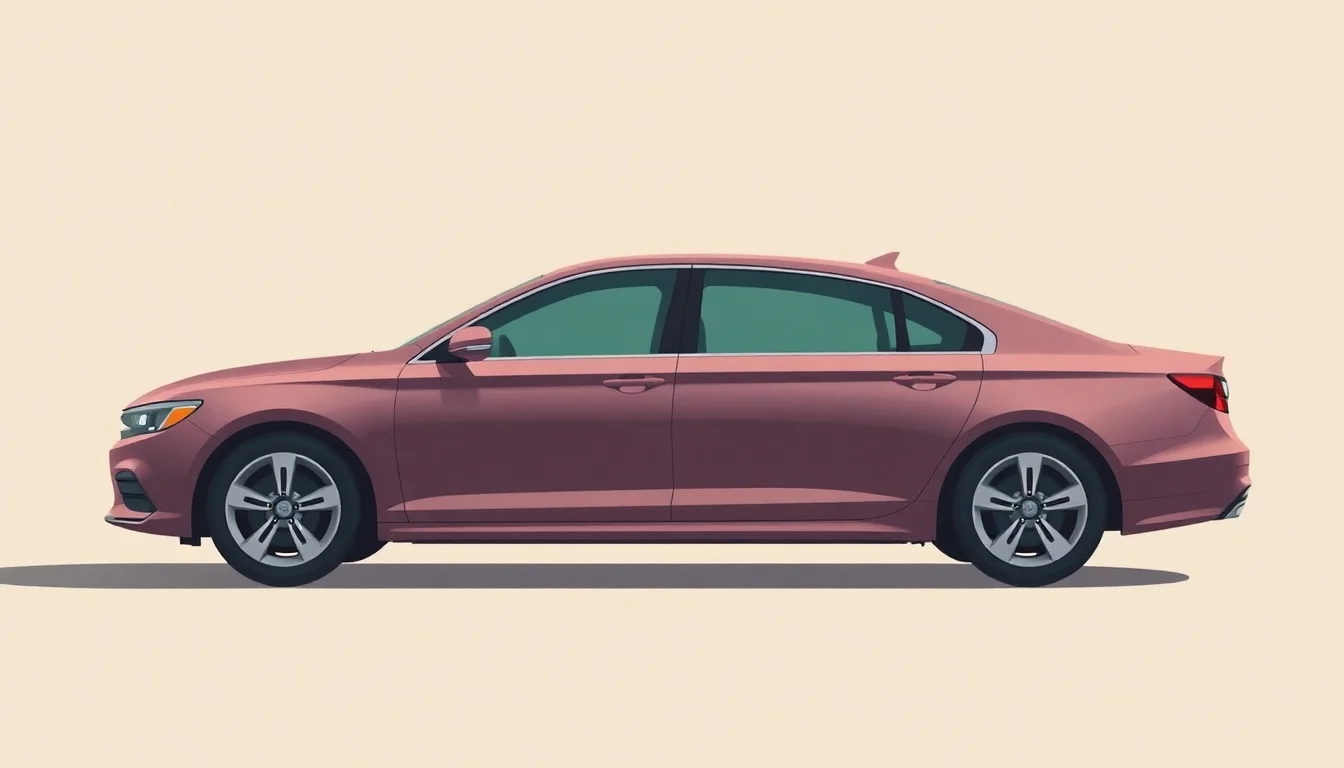
A sedan, at its core, is a passenger car with a three-box configuration: a distinct compartment for the engine, another for passengers, and a third for cargo. This classic design typically features four doors and a fixed roof, prioritizing passenger comfort and a more car-like driving experience. Unlike SUVs or hatchbacks, the trunk is separate from the passenger cabin, offering a degree of security and noise isolation. This fundamental architecture has remained remarkably consistent since the early days of automotive design, a testament to its inherent practicality and aesthetic appeal. The term itself originates from a type of carriage, hinting at its historical roots in comfortable, enclosed transport. Understanding this basic form is crucial before diving into the vast array of specific sedan models available today.
🎯 Who Are Sedans For?
Sedans are the quintessential choice for a broad demographic, particularly those who value a blend of practicality, comfort, and driving dynamics over sheer cargo space or elevated ride height. They are ideal for daily commuters, small families needing reliable transportation, and individuals who appreciate a more engaging driving experience than a typical Sport Utility Vehicle. The four-door configuration makes them accessible for passengers, while the separate trunk is perfect for groceries, luggage, or work equipment without intruding on the cabin. For those who spend significant time on the road and prioritize fuel efficiency and handling, a sedan often represents the most sensible and enjoyable option. They strike a balance that many other vehicle types struggle to match, making them a perennial favorite for a reason.
✨ The Vibe: Why Sedans Endure
The enduring appeal of the sedan lies in its cultural resonance and consistent utility. For decades, the sedan has been the default family car, the executive transport, and the symbol of responsible adulthood. This deep-seated familiarity imbues sedans with a certain gravitas and reliability. They represent a known quantity in a rapidly changing automotive world. While SUVs have surged in popularity, the sedan continues to hold its ground, particularly in segments where driving pleasure and fuel economy are paramount. The Vibepedia's Vibe Score for sedans remains surprisingly robust, reflecting their continued relevance in the automotive automotive cultural landscape.
⚖️ Sedan vs. SUV: The Great Divide
The most significant debate in the modern automotive market pits the sedan against the SUV. While SUVs offer higher ground clearance, more perceived cargo flexibility, and often all-wheel drive as standard, sedans typically provide superior fuel economy, more agile handling, and a lower center of gravity for a more connected feel to the road. SUVs have benefited from a powerful marketing push and a perception of greater safety, leading to their current dominance. However, for many drivers, the practical advantages of a sedan—especially in urban environments or for those who don't require off-road capability—remain compelling. The choice often boils down to lifestyle needs versus driving preference, a tension that fuels ongoing consumer discussion and automotive trend analysis.
📈 Key Sedan Segments to Know
Within the sedan category, several key segments cater to different needs and budgets. The compact sedan segment, exemplified by models like the Honda Civic and Toyota Corolla, offers affordability and efficiency. Mid-size sedans, such as the Toyota Camry and Honda Accord, provide a balance of space, comfort, and features, often serving as family cars. Luxury sedans, like the Mercedes-Benz E-Class or BMW 5 Series, emphasize premium materials, advanced technology, and refined performance. Finally, performance sedan models, including the BMW M3 or Cadillac CT4-V Blackwing, cater to enthusiasts seeking exhilarating acceleration and handling. Each segment has its own distinct Vibe Score and target audience.
💡 Top Sedan Picks (Across the Spectrum)
When considering top sedan picks, the landscape is rich and varied. For the budget-conscious and efficiency-minded, the Toyota Corolla (starting around $22,000) and Honda Civic (starting around $24,000) remain benchmarks in the compact class, consistently delivering reliability and good MPG. In the mid-size arena, the Honda Accord (starting around $27,000) and Toyota Camry (starting around $26,000) are perennial favorites for their blend of comfort, features, and value. For those seeking a more premium experience without breaking the bank, the Genesis G70 (starting around $40,000) offers surprising luxury and performance. And for the driving purist, the BMW 3 Series (starting around $43,000) continues to set the standard for sporty handling in its class.
🛠️ What to Look For in a Sedan
Selecting the right sedan involves scrutinizing several key factors. Fuel efficiency is paramount for many, with EPA ratings often varying significantly between models and powertrains. Automotive safety ratings from organizations like the NHTSA and IIHS are critical, especially for families. Reliability is another cornerstone, with brands like Toyota and Honda historically leading the pack, though others like Kia and Hyundai have made significant strides. Consider the interior space, particularly rear-seat legroom and trunk capacity, if passengers or cargo are frequent concerns. Finally, the infotainment system, driver-assistance features, and overall build quality contribute to the daily driving experience. Researching specific sedan trim levels is essential, as features can differ dramatically.
💰 Pricing & Value Considerations
Pricing for sedans spans a wide spectrum, from the sub-$25,000 compacts to well over $100,000 for high-end luxury and performance variants. The initial purchase price is only one part of the equation; consider long-term ownership costs. This includes fuel, insurance, maintenance, and potential depreciation. Vehicle depreciation rates can vary significantly by brand and model, impacting resale value. Many manufacturers offer various automotive financing options, including leases and loans, with differing interest rates and terms. Certified Pre-Owned (CPO) programs can offer a compelling value proposition, providing a warranty on a used vehicle at a lower price point than a new one. Understanding these financial aspects is crucial for making a sound investment.
🤔 The Future of the Four-Door
The future of the sedan is a subject of considerable debate, particularly with the relentless rise of electric vehicle trends and SUVs. While some predict a gradual decline, others see a resurgence driven by electrification and a renewed focus on driving dynamics. Many automakers are electrifying their sedan lineups, offering compelling performance and efficiency in familiar forms. The Tesla Model 3 has already proven the market's appetite for electric sedans. As battery technology improves and charging infrastructure expands, expect to see more innovative electric sedans that blend performance, sustainability, and the classic sedan silhouette. The question remains: will the sedan evolve into a niche segment for enthusiasts and EV adopters, or will it reclaim its status as the default choice? The automotive industry's future hinges on these evolving consumer preferences and technological advancements.
🌟 Vibepedia's Sedan Vibe Score
Vibepedia's Vibe Score for the sedan category as a whole hovers around a solid 75/100. This score reflects its enduring cultural relevance, consistent utility, and strong performance in specific niches, particularly in the mid-size and compact segments. However, it acknowledges the significant market share erosion to SUVs, which pulls the overall score down from its historical highs. Performance sedans and luxury sedans maintain higher individual Vibe Scores within their respective sub-categories, driven by enthusiast communities and aspirational value. The emergence of compelling electric sedan models is beginning to inject new energy, potentially boosting the category's overall Vibe Score in the coming years. The key tension lies between its legacy appeal and its adaptation to future mobility trends.
Key Facts
- Year
- 1900
- Origin
- Early Automotive History
- Category
- Automotive
- Type
- Category
Frequently Asked Questions
Are sedans still a good choice in 2024?
Absolutely. While SUVs dominate sales, sedans offer superior fuel efficiency, more engaging driving dynamics, and often a lower purchase price. They remain ideal for commuters, individuals, and small families who prioritize comfort and handling over cargo volume. Brands like Toyota, Honda, and Mazda continue to produce highly reliable and enjoyable sedans that represent excellent value. The rise of electric sedans also presents compelling new options for those seeking performance and sustainability.
What's the main difference between a sedan and a coupe?
The primary distinction lies in the number of doors and, historically, the roofline. Sedans are defined by their four doors and a three-box design (engine, passenger, cargo). Coupes traditionally have two doors and often a sportier, sloping roofline. While some manufacturers now blur these lines with 'four-door coupes,' a true coupe emphasizes a more compact, performance-oriented profile.
Which sedan brands are known for reliability?
Historically, Japanese brands like Toyota and Honda have consistently topped reliability charts, with models like the Camry and Accord earning reputations for longevity. Mazda has also gained significant traction in recent years for its dependable vehicles. Brands like Genesis and Kia have also shown marked improvement, often offering longer warranty periods that underscore their confidence in their product's durability.
Are sedans safer than SUVs?
This is a complex question with evolving answers. Historically, sedans' lower center of gravity made them less prone to rollovers. However, modern SUVs have advanced stability control systems that mitigate this risk. In terms of crash protection, both vehicle types can achieve high safety ratings, depending on the specific model and its engineering. It's crucial to check ratings from organizations like the NHTSA and IIHS for individual models rather than making broad generalizations.
What are the most fuel-efficient sedans?
Hybrid and plug-in hybrid sedans typically offer the highest fuel efficiency. Models like the Toyota Prius (technically a hatchback but often compared to sedans), Toyota Camry Hybrid, and Honda Accord Hybrid consistently achieve over 50 MPG combined. For purely gasoline-powered sedans, compact models like the Honda Civic and Toyota Corolla often lead the pack, with many achieving over 35 MPG combined.
How has the rise of electric vehicles impacted sedan sales?
The EV revolution has significantly impacted the sedan market. While many consumers are opting for electric SUVs, compelling electric sedans like the Tesla Model 3, Hyundai Ioniq 6, and Polestar 2 have emerged, attracting buyers with their performance, technology, and environmental benefits. This has created a dynamic sub-segment within the broader sedan category, challenging traditional gasoline-powered models.