
Contents
Overview
Scottish women's football (SWF) encompasses the organized sport of association football played by women in Scotland. It has a history marked by periods of struggle and resurgence, mirroring global trends in the women's game. The sport is governed by Scottish Football Association (SFA) and has seen significant growth in participation and professionalization in recent years, particularly since the establishment of the Scottish Women's Premier League (SWPL) in 2002. The national team competes in major international tournaments, and club sides are increasingly making their mark on European competitions. Despite advancements, challenges remain regarding funding, media coverage, and infrastructure, though the trajectory points towards continued expansion and greater visibility for the sport.
🎵 Origins & History
Early pioneers in Scottish women's football included teams like Dick, Kerr Ladies F.C. (though English-based, they played exhibition matches in Scotland) and the Bro-Johnston Ladies F.C. emerging during and after World War I. These early teams played to large crowds, even outdrawing some men's professional matches, but faced significant societal and institutional barriers. Following the lifting of a ban on the sport, it slowly began to rebuild, with various regional leagues and cup competitions forming throughout the late 20th century. The establishment of the Scottish Women's Football Association (SWFA) in 1972 was a crucial step in formalizing the sport's governance, paving the way for more structured development and the eventual creation of a national league system.
⚙️ How It Works
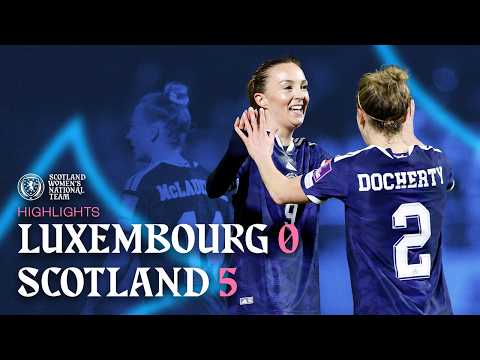
Scottish women's football operates under a tiered league structure, primarily overseen by the Scottish FA. The pinnacle is the Scottish Women's Premier League (SWPL), which is currently split into two divisions: SWPL 1 and SWPL 2. SWPL 1 features the top eight teams, competing for the league title and European qualification spots, while SWPL 2 comprises six teams vying for promotion to SWPL 1. Below the SWPL, regional associations manage various amateur and youth leagues, feeding into the national structure. The national team, known as 'Hampden's Heroines', competes in FIFA Women's World Cup qualifiers and UEFA Women's European Championship tournaments, with matches often played at major Scottish venues like Hampden Park. Player development pathways are increasingly integrated, with club academies and national youth teams working to nurture future talent.
📊 Key Facts & Numbers
In the 2023-24 season, the SWPL 1 featured 8 teams, with Rangers WFC clinching the title. The SWPL 2 comprised 6 teams. The national team's highest FIFA ranking was 18th in 2019. Participation numbers have seen a steady rise; by 2023, the SFA reported over 40,000 registered female players across all age groups and levels. The average attendance for SWPL matches has also shown an upward trend, with some high-profile fixtures attracting crowds exceeding 5,000. For instance, the 2022 Scottish Cup final between Celtic FC Women and Heart of Midlothian WFC at Tynecastle Park saw a record attendance of 8,098. Broadcast deals, though still nascent, are growing, with select SWPL matches broadcast on platforms like BBC Sport Scotland.
👥 Key People & Organizations
Key figures in Scottish women's football include Anna Signeul, who managed the national team for 12 years (2005-2017), overseeing their qualification for Euro 2017, their first major tournament. More recently, Pedro Martinez Losa has taken the helm of the national side. On the club front, figures like Amy McDonald, CEO of Glasgow City FC Women, have been instrumental in driving professionalism and commercial success. The Scottish Football Association plays a central governance role, while organizations like Scottish Women's Football (SWF), an independent body, advocate for the sport's development and grassroots growth. Major clubs like Celtic FC Women, Rangers WFC, and Glasgow City FC Women are at the forefront of the professional game.
🌍 Cultural Impact & Influence
The cultural impact of Scottish women's football is growing, moving from the fringes to a more prominent position in the national sporting consciousness. The success of the national team, particularly their qualification for Euro 2017, generated significant media attention and inspired a new generation of players. Club rivalries, such as the 'Old Firm' derby between Rangers WFC and Celtic FC Women, are increasingly capturing public imagination, drawing larger crowds and media coverage. The visibility of female athletes like Erin McGregor and Kim Little as role models is crucial in challenging traditional gender stereotypes in sport and encouraging wider participation among girls and women across Scotland. The sport's narrative is shifting from one of struggle to one of aspiration and achievement.
⚡ Current State & Latest Developments
The 2023-24 season has seen continued professionalization within the SWPL, with clubs investing more in full-time playing staff and infrastructure. Rangers WFC secured their second consecutive SWPL 1 title in May 2024, demonstrating their dominance. The national team, under Pedro Martinez Losa, is actively working towards qualification for future major tournaments, aiming to build on the legacy of previous campaigns. There's a growing emphasis on media partnerships, with more matches being streamed and broadcast, increasing accessibility for fans. The SFA's 'Girls' and Women's Football Strategy' continues to drive investment in grassroots development, aiming to further boost participation numbers and talent identification across the country. The recent announcement of a new sponsorship deal for the SWPL in late 2023 signals a positive trend in commercial interest.
🤔 Controversies & Debates
One of the most persistent controversies in Scottish women's football revolves around the disparity in resources and investment compared to the men's game. Critics argue that the SFA and professional clubs do not allocate sufficient funding, facilities, or marketing support to their women's teams, hindering their potential for growth. The debate over semi-professional versus fully professional status for SWPL clubs is ongoing, with many players still balancing careers with football. Another point of contention is the quality of pitches and training facilities, which can sometimes be shared with men's teams or be of lower standard, impacting player welfare and performance. The historical ban on women's football from 1921 to 1974 also remains a point of discussion, highlighting the long-term impact of institutional sexism on the sport's development.
🔮 Future Outlook & Predictions
The future outlook for Scottish women's football is overwhelmingly optimistic, driven by global trends and domestic investment. The aim is to see the SWPL fully professionalized across all clubs within the next five years, attracting higher caliber players and increasing the league's competitiveness. Continued investment in youth academies and grassroots programs is expected to yield a stronger pipeline of talent for both club and country. The national team's ambition is to consistently qualify for major tournaments, raising Scotland's profile on the international stage. Increased media rights deals and commercial partnerships are anticipated, further boosting revenue streams. The potential for Scottish clubs to make deeper runs in UEFA Women's Champions League competitions is also a key aspiration, showcasing the quality of talent emerging from Scotland.
💡 Practical Applications
Scottish women's football serves as a powerful platform for social change and community engagement. Beyond the professional leagues, grassroots initiatives and community clubs provide opportunities for women and girls of all ages and abilities to participate, fostering health, teamwork, and confidence. The sport is increasingly used as a tool for social inclusion, with programs targeting disadvantaged communities and promoting gender equality. For aspiring young players, the pathways established by the SFA and clubs offer tangible routes to elite performance, from local parks to international stadiums. Furthermore, the growing media presence of SWF provides commercial opportunities for sponsorships, endorsements, and media production, creating a more robust ecosystem for the sport.
Key Facts
- Category
- culture
- Type
- topic