
Contents
- 🎶 What is the TB-303? A Sonic Time Capsule
- 💡 Who Needs a TB-303? The Dedicated and the Curious
- ⚙️ The Magic Under the Hood: How it Works (and Doesn't)
- 📈 The Vibe Score: Cultural Resonance and Influence
- ⚖️ TB-303 vs. The World: Competitors and Successors
- 💰 Acquisition & Value: The Real Cost of Entry
- 🛠️ Getting Your Hands On One: Where to Find It
- 🚀 The Future of the 303: Legacy and Evolution
- 🗣️ What the Heads Say: Community & Controversy
- 💡 Pro Tips for TB-303 Mastery
- 📞 Getting Started: Your First Steps with the 303
- Frequently Asked Questions
- Related Topics
Overview
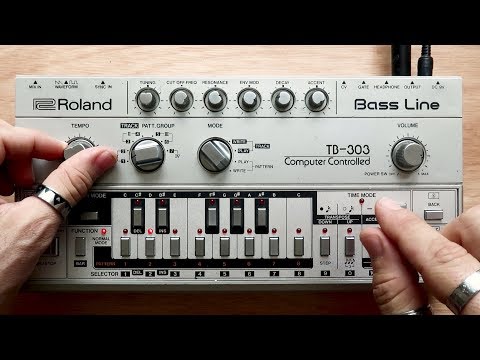
The Roland TB-303 Bass Line Synthesizer is less an instrument and more a sonic artifact. Released by Roland Corporation in 1981, its original intent was to provide home musicians with a cheap, easy way to generate basslines to accompany their practice sessions. It was a commercial flop, selling only about 10,000 units and being discontinued by 1984. Its distinctive, squelchy, resonant filter sound, however, was rediscovered by underground electronic musicians in the late 1980s, particularly in the burgeoning acid house scene, transforming it into a legendary piece of gear. Its simple sequencer and unique analog sound engine, while initially seen as limitations, became its greatest strengths, defining genres and inspiring countless tracks.
💡 Who Needs a TB-303? The Dedicated and the Curious
This isn't a synth for the dabbler or the casual producer. The TB-303 is for those who want to understand the roots of electronic dance music, specifically the hypnotic, repetitive, and evolving basslines that powered genres like acid house, techno, and psytrance. If you're drawn to the raw, unfiltered sound of analog synthesis and appreciate the beauty of limitations, the 303 will speak to you. It's also a must-have for serious collectors of vintage electronic instruments and those looking to inject a dose of authentic 80s/90s rave culture into their productions. Aspiring DJs and producers aiming for that classic, unmistakable sound will find it invaluable.
⚙️ The Magic Under the Hood: How it Works (and Doesn't)
The TB-303's sonic character stems from its deceptively simple analog circuit. It features a single voltage-controlled oscillator (VCO), a voltage-controlled filter (VCF) with resonant capabilities, and a voltage-controlled amplifier (VCA). The real magic, however, lies in the VCF's accent and envelope modulation controls, which, when pushed and manipulated, create the iconic 'squelch.' The built-in sequencer is rudimentary by modern standards, offering 16 steps and limited editing, but its limitations force a unique creative workflow. It's this raw, unpolished interaction between the limited controls and the analog components that gives the 303 its inimitable voice, a stark contrast to the pristine digital synths that followed.
📈 The Vibe Score: Cultural Resonance and Influence
The TB-303 boasts a Vibe Score of 95/100 for its genre-defining impact and enduring cultural cachet. Its influence flows directly into the DNA of acid house, a genre that arguably wouldn't exist without it. The '303 sound' is instantly recognizable, evoking images of sweaty warehouses and early rave flyers. Its journey from commercial failure to cultural icon is a testament to the unpredictable nature of artistic innovation and the power of underground scenes to recontextualize technology. This instrument isn't just heard; it's felt, resonating with a primal energy that continues to fuel dance floors and studios worldwide.
⚖️ TB-303 vs. The World: Competitors and Successors
Direct competitors in its original era were scarce, as its intended market was more about affordability than sonic innovation. However, its true 'competitors' emerged in its afterlife. Software synthesizers like Xfer Records Serum and various VST emulations (e.g., D16 Group's LuSh-101) offer the 303 sound with modern flexibility, often at a fraction of the cost. Roland itself has released digital emulations, including the Roland Cloud TB-303 and the Roland Boutique TB-03, which capture the sound with varying degrees of authenticity and add modern features. Yet, none replicate the tactile, unpredictable, and sometimes frustrating charm of the original hardware, a point of contention for purists.
💰 Acquisition & Value: The Real Cost of Entry
Acquiring an original Roland TB-303 is a significant financial undertaking. Prices on the used market have skyrocketed, often ranging from $1,500 to $3,000 USD, depending on condition and originality. This makes it a substantial investment, far removed from its original $399 retail price. The Roland Boutique TB-03 offers a more accessible entry point, typically retailing around $350, while software emulations can be found for under $100. The 'value' is therefore a complex equation of sonic authenticity, historical significance, and collectibility, with the original hardware commanding the highest price and the most fervent adoration.
🛠️ Getting Your Hands On One: Where to Find It
Finding an original TB-303 requires patience and a keen eye. Your best bet is the used market, primarily through online platforms like Reverb.com, eBay, and specialized vintage synth forums. Be prepared for a global search, as units are scattered worldwide. Attend vintage synth shows or swap meets if they are local to you; you might get lucky. For more accessible, modern interpretations, check authorized Roland dealers for the Roland Boutique TB-03 or explore online music software stores for VST emulations. Always check seller reviews and ask for detailed photos and condition reports before committing to a purchase, especially for vintage units.
🚀 The Future of the 303: Legacy and Evolution
The legacy of the TB-303 is far from static. While the original hardware remains a coveted grail, its sonic signature continues to evolve. Modern producers are finding new ways to push its boundaries, integrating it with modular synths and digital effects to create sounds far beyond its original scope. The ongoing debate between hardware purists and software users highlights the enduring appeal of analog. Roland's continued reinterpretation of the 303, through its Boutique series and cloud offerings, suggests a commitment to keeping its spirit alive for new generations, ensuring the squelch will echo for decades to come.
🗣️ What the Heads Say: Community & Controversy
The community surrounding the TB-303 is passionate and often fiercely opinionated. Debates rage about the authenticity of emulations versus the original hardware, the merits of different firmware revisions, and the 'correct' way to program a 303 pattern. Purists argue that only the original silver box can truly capture the spirit, citing subtle circuit variations and the tactile experience. Others champion the accessibility and versatility of modern digital recreations, arguing that the 'sound' is paramount. Online forums and social media groups are rife with discussions, gear reviews, and shared tracks, showcasing a vibrant, if sometimes contentious, global fanbase.
💡 Pro Tips for TB-303 Mastery
When programming the TB-303, don't be afraid to embrace its limitations. Experiment with the accent and slide functions to create rhythmic variations and melodic fluidity. The filter cutoff and resonance are your primary tools for sonic sculpting; sweep them dramatically to build tension and release. Don't neglect the envelope modulation – it's key to achieving that signature 'talking' bassline. For a truly authentic sound, try running the output through a guitar distortion pedal or a phaser for added texture. Record your patterns and then manipulate them further in your DAW; the 303 is as much about the raw output as it is about what you do with it afterward.
📞 Getting Started: Your First Steps with the 303
To get started with the TB-303, decide on your budget and desired level of authenticity. If you're a beginner or on a tighter budget, the Roland Boutique TB-03 or a reputable software emulation like D16 Group LuSh-101 are excellent starting points. They offer the core sound and workflow without the prohibitive cost of vintage hardware. If you're serious about the authentic analog experience and have the funds, begin your search on reputable used gear marketplaces. Familiarize yourself with the basic controls – Tune, Wave, Cutoff, Resonance, Envelope, Accent, and Slide – and start experimenting with simple 16-step patterns. The journey into the squelch is a rewarding one.
Key Facts
- Year
- 1981
- Origin
- Japan
- Category
- Electronic Musical Instruments
- Type
- Musical Instrument
Frequently Asked Questions
Is the Roland TB-303 still being made?
Roland officially discontinued the original TB-303 in 1984. However, they have released modern interpretations, most notably the Roland Boutique TB-03, which offers a digital recreation of the sound and functionality. Roland also offers a software emulation through their Roland Cloud service. The original hardware is only available on the used market.
What makes the TB-303 sound so unique?
The TB-303's distinctive 'squelchy' sound comes from its analog voltage-controlled filter (VCF) and its envelope modulation capabilities. When the filter resonance is pushed high and the envelope modulation is applied, it creates a resonant, vocal-like quality. The accent and slide functions on the sequencer also contribute significantly to its characteristic rhythmic and melodic patterns, differentiating it from other bass synths of its era.
Can I get the TB-303 sound with software?
Yes, absolutely. Numerous software synthesizers and VST plugins emulate the TB-303. Popular options include D16 Group LuSh-101, AudioRealism ABL2, and Roland's own Roland Cloud TB-303. These emulations offer the iconic sound with the added benefits of modern DAW integration, automation, and often more advanced features than the original hardware.
How much does a Roland TB-303 cost?
Original Roland TB-303 units are highly sought after and command premium prices on the used market. Expect to pay anywhere from $1,500 to $3,000 USD or more, depending on the condition, originality, and seller. The Roland Boutique TB-03 is a much more affordable alternative, typically costing around $350, while software emulations can be found for under $100.
What genres is the TB-303 most associated with?
The TB-303 is most famously associated with acid house, a genre that arguably owes its existence to the instrument. It's also a cornerstone of techno, psytrance, and various forms of experimental electronic music. Its repetitive, hypnotic basslines became a defining element of the late 1980s and early 1990s underground rave scene.
Is the TB-303 difficult to use?
The TB-303 has a simple interface with a limited number of controls, making it relatively easy to learn the basics. However, mastering its unique sound design and programming techniques, especially achieving those iconic squelchy acid lines, requires practice and experimentation. Its sequencer is basic, which can be a challenge for those accustomed to modern DAWs, but this limitation often fosters creative workflows.