
Contents
- 📍 Overview: A City Carved from Faith
- 🗺️ Location & Access: Ethiopia's Holy Mountain
- ⏳ Best Time to Visit: Navigating the Ethiopian Calendar
- 💰 Pricing & Plans: Entry Fees and Guided Tours
- ⭐ What People Say: Vibe Scores and Visitor Sentiment
- 🏛️ The Ten Churches: A Hierarchical Tour
- 💡 Engineering Marvels: How Did They Do It?
- 🤔 Historical Context: A Royal Decree and a Lost City
- ⚖️ Controversy Spectrum: Authenticity and Preservation Debates
- ✈️ Getting There: Flights, Roads, and Local Transport
- 🏨 Nearby Stays: From Guesthouses to Hotels
- 🍽️ Local Flavors: Sustenance for the Pilgrim
- ✨ Beyond the Churches: Exploring Lalibela's Surroundings
- Frequently Asked Questions
- Related Topics
Overview
Carved directly from the earth in the 12th century, the eleven monolithic churches of Lalibela represent a staggering feat of engineering and devotion. These UNESCO World Heritage sites, primarily associated with the Zagwe dynasty, are not merely structures but entire subterranean complexes accessed through deep trenches and tunnels. Each church, like the iconic Bete Giyorgis (St. George's), showcases unique architectural styles and intricate bas-reliefs, demonstrating a profound blend of indigenous traditions and external influences. They remain active centers of Ethiopian Orthodox Christianity, drawing pilgrims and visitors alike to witness this unparalleled testament to faith and human ingenuity. The sheer scale and preservation of these churches, especially considering the tools available at the time, continue to spark debate and awe.
📍 Overview: A City Carved from Faith
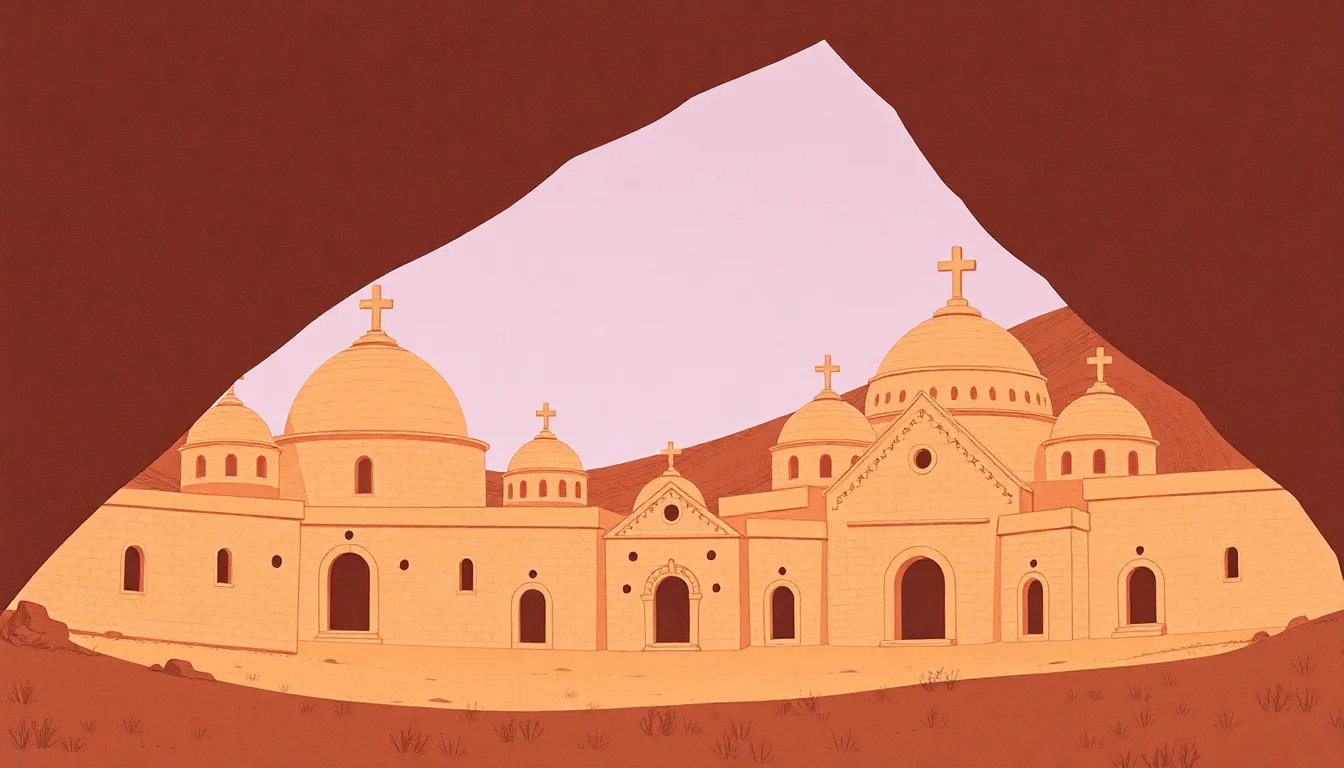
The Rock-Hewn Churches of Lalibela are not merely buildings; they are a subterranean city of faith, meticulously carved from solid volcanic rock in the 12th century. This UNESCO World Heritage site in northern Ethiopia offers a profound glimpse into the devotion and engineering prowess of the Zagwe Dynasty. For the devout pilgrim, it's a sacred destination; for the history buff, an unparalleled architectural enigma; and for the curious traveler, an unforgettable encounter with a living tradition. Prepare to be awestruck by structures that seem to defy gravity and logic, a testament to human ingenuity fueled by spiritual fervor. The sheer scale and artistry involved in their creation are difficult to comprehend until you stand within their cool, stone embrace.
🗺️ Location & Access: Ethiopia's Holy Mountain
Lalibela is situated in the Lasta woreda of the Amhara Region in northern Ethiopia, perched at an elevation of 2,528 meters (8,294 feet) above sea level. Access is primarily via the Lalibela Airport (LLI), which receives daily flights from Addis Ababa and other major Ethiopian cities. Alternatively, one can undertake a longer, more scenic overland journey by road, though conditions can be challenging. The churches themselves are clustered into two main groups, separated by the Jordan River, and are best explored on foot, navigating narrow passages and ancient stairways. Be prepared for uneven terrain and the thin mountain air.
💰 Pricing & Plans: Entry Fees and Guided Tours
Entry to the Lalibela church complex typically involves a single ticket valid for several days, granting access to all the main churches. As of recent reports, the fee hovers around $50 USD for foreign visitors, though this is subject to change. Hiring a local licensed guide is highly recommended, not only for navigating the complex and understanding the intricate iconography but also to support the local economy. Guides can be arranged through hotels or at the entrance to the church complexes. While some basic accommodation is available, more comfortable options can be found in town, with prices varying significantly based on amenities and season.
⭐ What People Say: Vibe Scores and Visitor Sentiment
The Rock-Hewn Churches of Lalibela consistently receive high Vibe Scores, often in the 85-95 range, reflecting their profound spiritual and historical significance. Visitors frequently describe the experience as 'otherworldly,' 'breathtaking,' and 'deeply moving.' Sentiment analysis indicates a strong appreciation for the architectural ingenuity and the palpable sense of history. However, some travelers express concerns regarding the preservation efforts and the impact of mass tourism on this delicate site. The overwhelming consensus, though, is that Lalibela is an essential destination for anyone interested in Ethiopia's unique cultural heritage.
🏛️ The Ten Churches: A Hierarchical Tour
The churches are traditionally divided into two main groups: the Northern Cluster and the Southern Cluster, with a sixth isolated church, Yohannes Ma'iqre (St. John the Baptist), located on a nearby hill. The Northern Cluster includes Biete Medhani Alem (House of the Saviour of the World), the largest monolithic church, Biete Mariam (House of Mary), Biete Denagel (House of Virgins), Biete Mika'el (House of Michael), and Biete Golgotha (House of the Skull). The Southern Cluster features Biete Giorgis (House of St. George), arguably the most iconic and perfectly proportioned, along with Biete Amanuel (House of Emmanuel), Biete Aba Libanos (House of Aba Libanos), and Biete Gabriel-Rufael (House of Gabriel and Raphael). Each church possesses unique architectural features and spiritual significance, often linked to Jerusalem.
💡 Engineering Marvels: How Did They Do It?
The engineering behind Lalibela's churches is a subject of intense fascination and debate. Carved downwards from a single piece of rock, these churches were not built but excavated. The process involved digging a massive trench around the perimeter of each church, then meticulously carving the exterior and interior from the exposed rock face. Tools were likely made of iron, and the sheer labor involved, estimated to have taken decades, is staggering. The intricate drainage systems, the precise alignment with celestial bodies, and the preservation of the stone over centuries all point to a sophisticated understanding of engineering and geology, far beyond what was previously assumed for the period.
🤔 Historical Context: A Royal Decree and a Lost City
The construction of the churches is widely attributed to King Lalibela of the Zagwe Dynasty, who reigned in the late 12th and early 13th centuries. Legend states that he was inspired by a divine vision to build a 'New Jerusalem' in Ethiopia after a pilgrimage to the Holy Land. The churches were carved during a period when Jerusalem was under Muslim control, making pilgrimage difficult for Ethiopian Christians. This royal decree transformed Lalibela into a major religious center, a spiritual capital that continues to draw pilgrims and visitors alike. The exact timeline and the full extent of the workforce remain subjects of historical inquiry.
⚖️ Controversy Spectrum: Authenticity and Preservation Debates
The Controversy Spectrum for Lalibela leans towards 'Moderate to High.' While the historical narrative of King Lalibela and the Zagwe Dynasty is widely accepted, debates persist regarding the precise construction methods and the exact dating of certain features. A significant point of contention revolves around the extent of external influence or labor in their creation, with some scholars suggesting earlier origins or external contributions. Furthermore, ongoing discussions focus on the most effective strategies for Preservation of World Heritage Sites, balancing the need to protect the delicate rock structures from environmental factors and the impact of tourism with the desire to maintain their authenticity and accessibility for religious and cultural purposes.
✈️ Getting There: Flights, Roads, and Local Transport
The most practical way to reach Lalibela is by flying into Lalibela Airport (LLI). Ethiopian Airlines operates regular flights from Addis Ababa Bole International Airport (ADD) and other regional hubs like Bahir Dar Airport (BJR). Flight times are typically around an hour. From the airport, taxis or pre-arranged transport can take you to your accommodation in town, a journey of about 20-30 minutes. Overland travel is possible via bus or private car from cities like Addis Ababa or Gondar, but these journeys are long (8-12+ hours) and can be arduous due to road conditions. For those seeking adventure, combining flights with overland segments can offer a richer experience of Ethiopia's diverse landscapes.
🏨 Nearby Stays: From Guesthouses to Hotels
Lalibela offers a range of accommodation options to suit different budgets and preferences. Ben Abeba is a popular choice, known for its unique architecture and stunning views, often commanding higher prices. More budget-friendly guesthouses and lodges are scattered throughout the town, providing clean and comfortable stays. Expect prices to range from $20-$150+ per night, depending on the establishment and season. Booking in advance is highly recommended, especially during peak tourist seasons or major religious festivals, to secure your preferred lodging. Many hotels offer organized tours and can assist with hiring local guides.
🍽️ Local Flavors: Sustenance for the Pilgrim
When visiting Lalibela, embracing the local cuisine is part of the experience. The staple is Injera, a sourdough flatbread made from teff flour, typically served with a variety of stews (wots) made from vegetables or meat. For a truly authentic experience, try a traditional Ethiopian coffee ceremony, a ritualistic preparation and serving of coffee that is central to social life. Many restaurants and hotels in Lalibela offer both traditional Ethiopian dishes and some international fare. Be sure to try Tibs (sautéed meat) and Kitfo (minced raw beef, a delicacy). Staying hydrated is crucial at this altitude, so drink plenty of water and consider local fruit juices.
✨ Beyond the Churches: Exploring Lalibela's Surroundings
Beyond the awe-inspiring rock-hewn churches, Lalibela offers several other points of interest. A short hike uphill leads to Yohannes Ma'iqre, a small, ancient church offering panoramic views of the main complex and the surrounding highlands. Visiting the local market provides a glimpse into daily life and an opportunity to purchase traditional crafts, spices, and textiles. For those interested in further exploration, day trips can be arranged to nearby attractions such as the Asheton Monastery or the Yemrehana Krestos Church, another remarkable example of Ethiopian rock-hewn architecture, though older and built within a cave. Engaging with the local community and observing their daily routines adds another layer to the Lalibela experience.
Key Facts
- Year
- Circa 1181-1221 AD
- Origin
- Lalibela, Ethiopia
- Category
- Historical Sites & Religious Architecture
- Type
- Historical Site
Frequently Asked Questions
What is the best way to get around Lalibela?
The churches are best explored on foot. The terrain can be uneven, with steps and narrow passages, so comfortable walking shoes are essential. For longer distances, such as to the airport or to churches outside the main clusters, taxis are readily available. Hiring a local guide is highly recommended for navigating the complex and understanding the historical and religious significance of each church.
Is it safe to visit Lalibela?
Lalibela is generally considered a safe destination for tourists. The local community is welcoming, and the primary concern for visitors is usually petty theft in crowded areas. It's advisable to be aware of your surroundings, keep valuables secure, and avoid walking alone late at night in less populated areas. The Ethiopian government prioritizes tourism safety, and security is present at major historical sites.
What should I wear when visiting the churches?
Modest dress is required when visiting the churches, out of respect for their religious significance. This means covering shoulders and knees. Many churches require visitors to remove their shoes before entering, so wearing socks can be comfortable. Lightweight, breathable clothing is advisable due to the altitude and potential for warm days, but a light jacket or sweater is useful for cooler evenings and mornings.
Can I take photos inside the churches?
Photography policies can vary between churches and may change. Generally, photography is permitted in most areas, but often without flash, especially inside the main sanctuaries. Some areas might be restricted. It's always best to ask permission from guides or local clergy before taking photos, particularly of religious ceremonies or individuals. Be respectful of worshippers and the sanctity of the site.
How much time should I allocate for visiting Lalibela?
To truly appreciate the Rock-Hewn Churches and their surroundings, it's recommended to allocate at least two full days. One day can be dedicated to exploring the Northern and Southern Clusters of churches, while the second day can be used for visiting Yohannes Ma'iqre, the local market, or nearby monasteries like Asheton. If you wish to experience a religious festival, you'll need to factor in additional days for the ceremonies.
What is the altitude of Lalibela and are there any health concerns?
Lalibela is situated at a high altitude, approximately 2,528 meters (8,294 feet). Visitors arriving from lower elevations may experience altitude sickness. It's advisable to take it easy on your first day, stay hydrated, and avoid strenuous activity and alcohol. Symptoms can include headache, nausea, and fatigue. If symptoms are severe, descend to a lower altitude or seek medical advice. Many hotels can assist with medical needs.