
Contents
- 🌾 Introduction to Rice Vinegar
- 🍚 History of Rice Vinegar
- 🌿 Production Process of Rice Vinegar
- 🍴 Uses of Rice Vinegar in Global Cuisine
- 🍜 Variants of Rice Vinegar
- 🌸 Cultural Significance of Rice Vinegar
- 🤝 Influence of Rice Vinegar on Other Cuisines
- 🌟 Health Benefits of Rice Vinegar
- 📊 Market Trends and Future Outlook
- 👨🍳 Notable Chefs and Their Take on Rice Vinegar
- 🌐 Global Availability and Distribution
- Frequently Asked Questions
- Related Topics
Overview
Rice vinegar, with a history dating back over 1,000 years to ancient China, has become a staple condiment in many global cuisines, including Japanese, Korean, and Southeast Asian cooking. Its production involves a two-step fermentation process, first converting starches into sugars and then into acetic acid, resulting in a distinctive flavor profile that is both sour and slightly sweet. With a Vibe score of 8, rice vinegar has gained popularity worldwide for its versatility in dishes ranging from sushi and salads to marinades and sauces. However, its use is not without controversy, as some argue over the authenticity of commercial products versus traditional, artisanal methods. The influence of rice vinegar can be seen in the work of chefs like Nobu Matsuhisa, who has popularized its use in modern Japanese cuisine. As the demand for international flavors continues to grow, rice vinegar is poised to play an increasingly important role in shaping the future of food, with an estimated global market size of $1.3 billion by 2025.
🌾 Introduction to Rice Vinegar
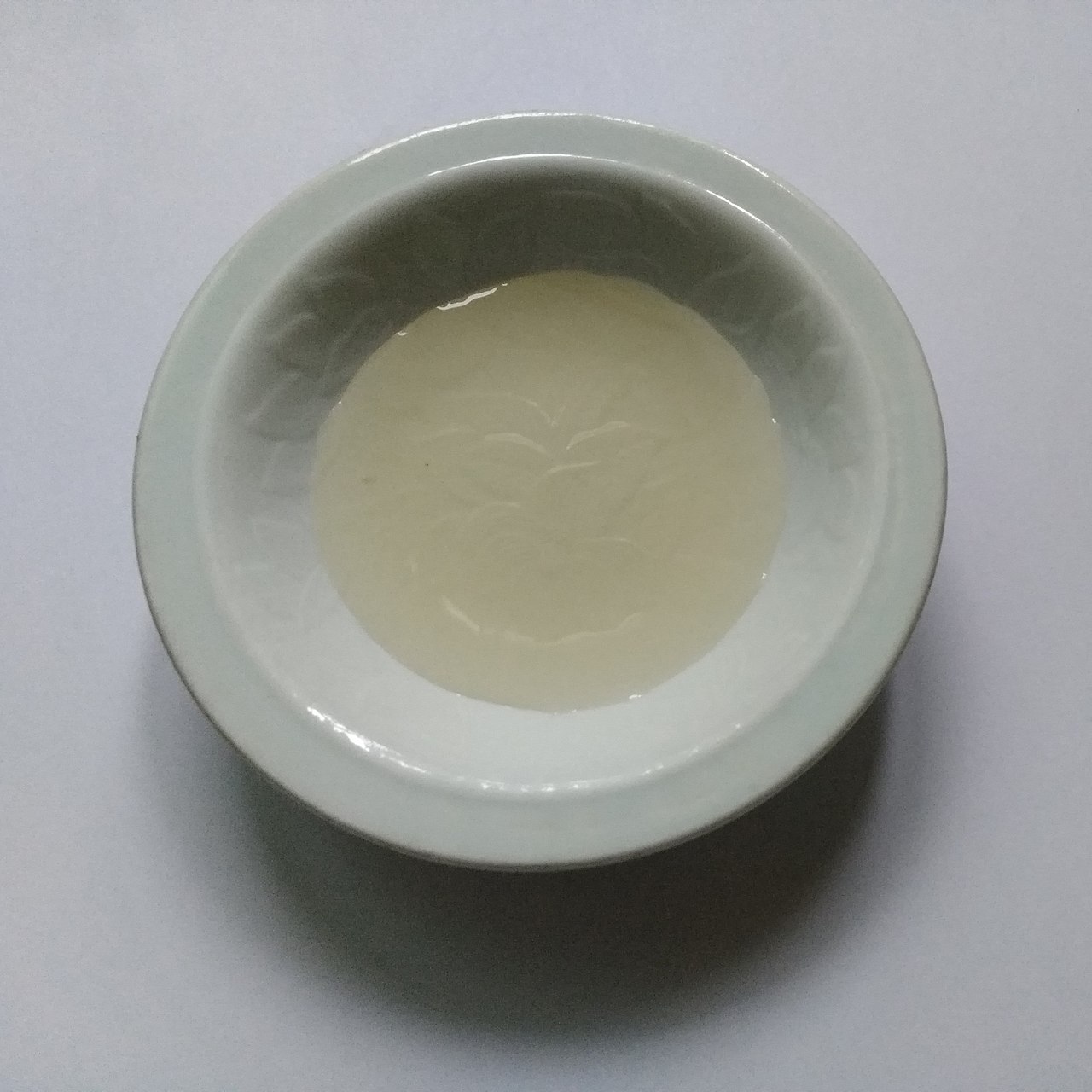
Rice vinegar, also known as rice vinegar, is a type of vinegar made from fermentation of rice wine in East Asia, as well as in Vietnam in Southeast Asia. It is used as a seasoning, dressing, and dipping in many dishes, including sushi, jiaozi, and banchans. The production of rice vinegar involves a two-step process, where rice is first converted into sake or rice wine, and then the sake is converted into vinegar through the action of acetic acid bacteria. For more information on the production process, visit vinegar production.
🍚 History of Rice Vinegar
The history of rice vinegar dates back to ancient China, where it was first produced over 2,000 years ago. The art of making rice vinegar was later introduced to Japan, where it became an essential ingredient in Japanese cuisine. Rice vinegar was used not only as a seasoning but also as a preservative to extend the shelf life of food. To learn more about the history of rice vinegar, visit history of rice vinegar. The use of rice vinegar in cooking is also closely related to the concept of umami flavor, which is one of the five basic tastes. For more information on umami flavor, visit umami flavor.
🌿 Production Process of Rice Vinegar
The production process of rice vinegar involves a combination of traditional techniques and modern technology. The first step is to convert rice into sake or rice wine through fermentation. The second step is to convert the sake into vinegar through the action of acetic acid bacteria. The resulting vinegar is then filtered, pasteurized, and bottled for distribution. To learn more about the production process, visit rice vinegar production. The quality of rice vinegar can vary depending on factors such as the type of rice used, the fermentation time, and the level of acidity. For more information on the quality of rice vinegar, visit quality of rice vinegar.
🍴 Uses of Rice Vinegar in Global Cuisine
Rice vinegar is a versatile ingredient that can be used in a variety of dishes, from sushi and sashimi to stir-fries and salads. It is also used as a dipping sauce for dumplings and noodles. In addition to its culinary uses, rice vinegar is also used as a health tonic and a natural remedy for various ailments. To learn more about the uses of rice vinegar, visit uses of rice vinegar. The use of rice vinegar in cooking is also closely related to the concept of food pairing, which involves pairing different ingredients to create harmonious flavors. For more information on food pairing, visit food pairing.
🍜 Variants of Rice Vinegar
There are several variants of rice vinegar, each with its own unique flavor and aroma. Some of the most common variants include white rice vinegar, brown rice vinegar, and black rice vinegar. Each variant is made from a different type of rice and has its own distinct characteristics. To learn more about the different variants of rice vinegar, visit variants of rice vinegar. The choice of rice vinegar can affect the flavor and texture of a dish, so it's essential to choose the right type for the recipe. For more information on choosing the right type of rice vinegar, visit choosing rice vinegar.
🌸 Cultural Significance of Rice Vinegar
Rice vinegar has significant cultural and historical importance in East Asia, particularly in China, Japan, and Korea. It is often used in traditional dishes and is considered an essential ingredient in many cuisines. The use of rice vinegar is also closely tied to the concept of food culture, which involves the social and cultural aspects of food. To learn more about the cultural significance of rice vinegar, visit cultural significance of rice vinegar. The cultural significance of rice vinegar is also reflected in its use in traditional ceremonies and rituals. For more information on the cultural significance of rice vinegar, visit traditional ceremonies.
🤝 Influence of Rice Vinegar on Other Cuisines
Rice vinegar has had a significant influence on other cuisines, particularly in the West. It is often used as a substitute for other types of vinegar, such as apple cider vinegar or balsamic vinegar. The use of rice vinegar in Western cuisine is also closely related to the concept of fusion cuisine, which involves combining different culinary traditions. To learn more about the influence of rice vinegar on other cuisines, visit influence of rice vinegar. The influence of rice vinegar can be seen in many modern dishes, from sushi burritos to Korean tacos. For more information on the influence of rice vinegar, visit modern dishes.
🌟 Health Benefits of Rice Vinegar
Rice vinegar has several health benefits, including its ability to aid digestion and reduce inflammation. It is also rich in antioxidants and has been shown to have antibacterial properties. To learn more about the health benefits of rice vinegar, visit health benefits of rice vinegar. The health benefits of rice vinegar are also closely related to the concept of functional food, which involves the use of food as a means of promoting health and well-being. For more information on functional food, visit functional food.
📊 Market Trends and Future Outlook
The market for rice vinegar is growing rapidly, driven by increasing demand for Asian cuisine and health-conscious consumers. The global rice vinegar market is expected to reach $1.3 billion by 2025, with the Asia-Pacific region accounting for the largest share. To learn more about the market trends and future outlook, visit market trends and future outlook. The growth of the rice vinegar market is also closely related to the concept of sustainable food, which involves the use of environmentally friendly and socially responsible practices in food production. For more information on sustainable food, visit sustainable food.
👨🍳 Notable Chefs and Their Take on Rice Vinegar
Many notable chefs have incorporated rice vinegar into their recipes, including Masaharu Morimoto and Nobu Matsuhisa. These chefs have helped to popularize rice vinegar and introduce it to new audiences. To learn more about notable chefs and their take on rice vinegar, visit notable chefs and rice vinegar. The use of rice vinegar by notable chefs is also closely related to the concept of celebrity chef, which involves the use of celebrity endorsements to promote food products. For more information on celebrity chefs, visit celebrity chef.
🌐 Global Availability and Distribution
Rice vinegar is widely available in most supermarkets and online stores. It can be found in the international or Asian food section, and is often sold in glass bottles or plastic containers. To learn more about the global availability and distribution of rice vinegar, visit global availability and distribution. The global availability of rice vinegar is also closely related to the concept of food globalization, which involves the global distribution of food products. For more information on food globalization, visit food globalization.
Key Facts
- Year
- 1000
- Origin
- Ancient China
- Category
- Food and Beverage
- Type
- Food Ingredient
Frequently Asked Questions
What is rice vinegar?
Rice vinegar is a type of vinegar made from the fermentation of rice wine. It is used as a seasoning, dressing, and dipping sauce in many dishes, particularly in East Asian cuisine. For more information on rice vinegar, visit rice vinegar. The production of rice vinegar involves a two-step process, where rice is first converted into sake or rice wine, and then the sake is converted into vinegar through the action of acetic acid bacteria. To learn more about the production process, visit vinegar production.
What are the health benefits of rice vinegar?
Rice vinegar has several health benefits, including its ability to aid digestion and reduce inflammation. It is also rich in antioxidants and has been shown to have antibacterial properties. To learn more about the health benefits of rice vinegar, visit health benefits of rice vinegar. The health benefits of rice vinegar are also closely related to the concept of functional food, which involves the use of food as a means of promoting health and well-being. For more information on functional food, visit functional food.
How is rice vinegar used in cooking?
Rice vinegar is a versatile ingredient that can be used in a variety of dishes, from sushi and sashimi to stir-fries and salads. It is also used as a dipping sauce for dumplings and noodles. To learn more about the uses of rice vinegar, visit uses of rice vinegar. The use of rice vinegar in cooking is also closely related to the concept of food pairing, which involves pairing different ingredients to create harmonious flavors. For more information on food pairing, visit food pairing.
What are the different types of rice vinegar?
There are several variants of rice vinegar, each with its own unique flavor and aroma. Some of the most common variants include white rice vinegar, brown rice vinegar, and black rice vinegar. To learn more about the different variants of rice vinegar, visit variants of rice vinegar. The choice of rice vinegar can affect the flavor and texture of a dish, so it's essential to choose the right type for the recipe. For more information on choosing the right type of rice vinegar, visit choosing rice vinegar.
Is rice vinegar gluten-free?
Yes, rice vinegar is gluten-free. It is made from rice and does not contain any gluten. To learn more about gluten-free foods, visit gluten-free. The gluten-free status of rice vinegar is also closely related to the concept of food labeling, which involves the use of labels to indicate the presence or absence of certain ingredients. For more information on food labeling, visit food labeling.
Can I make my own rice vinegar at home?
Yes, you can make your own rice vinegar at home. The process involves fermenting rice wine with acetic acid bacteria to produce vinegar. To learn more about making rice vinegar at home, visit making rice vinegar. The process of making rice vinegar at home is also closely related to the concept of DIY food, which involves the use of homemade ingredients and recipes. For more information on DIY food, visit DIY food.
What is the shelf life of rice vinegar?
The shelf life of rice vinegar depends on the storage conditions and the type of vinegar. Generally, rice vinegar can last for several years when stored in a cool, dark place. To learn more about the shelf life of rice vinegar, visit shelf life of rice vinegar. The shelf life of rice vinegar is also closely related to the concept of food storage, which involves the use of proper storage techniques to maintain the quality and safety of food. For more information on food storage, visit food storage.