
Contents
Overview
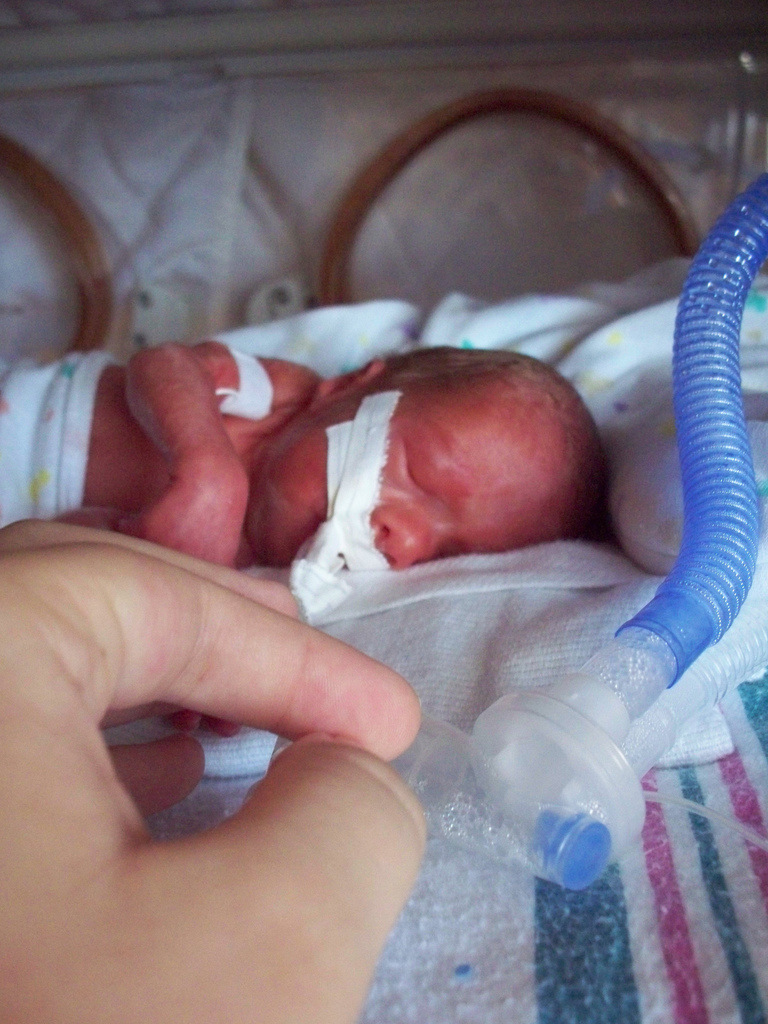
The concept of 'premature birth' as a distinct medical category has evolved significantly. Historically, births occurring before what was considered viable were often tragic events with little medical intervention. Early observations of premature infants date back to ancient medical texts, but it wasn't until the late 19th and early 20th centuries that dedicated neonatal care began to emerge. The invention of the incubator by Stephan Hulse in the 1880s, and its subsequent popularization by Martin Couney at world's fairs, brought public attention to the plight of these infants and demonstrated that survival was possible with specialized care. The establishment of dedicated neonatal intensive care units (NICUs) in the mid-20th century marked a turning point, transforming care from mere survival to optimizing development and long-term health outcomes for babies born as early as 28 weeks or even less.
⚙️ How It Works
Premature infants are born with underdeveloped organ systems, making them exquisitely sensitive to their environment. Their lungs often lack sufficient surfactant, a substance crucial for keeping air sacs open, leading to respiratory distress syndrome (RDS). The immature immune system leaves them highly susceptible to infections, necessitating strict sterile protocols within the NICU. Thermoregulation is also a major challenge, as they have limited body fat and a higher surface-area-to-volume ratio, requiring specialized warming devices. Their digestive systems may not be mature enough for oral feeding, often requiring intravenous nutrition or specialized feeding tubes. Neurological development is a critical concern, with the brain continuing to mature rapidly in the weeks and months following a typical birth date, making the NICU environment designed to mimic the womb as much as possible.
📊 Key Facts & Numbers
Globally, an estimated 15 million babies are born prematurely each year, representing over 10% of all births worldwide. In the United States alone, approximately 1 in 10 babies is born prematurely, with rates fluctuating slightly year to year. The cost of neonatal intensive care can be staggering, with the average cost for a premature infant's stay in the NICU exceeding $100,000, and for extremely premature babies, this figure can climb to over $500,000. Survival rates for babies born at 24 weeks gestation have improved dramatically, now often exceeding 50% in developed countries, a stark contrast to figures from just a few decades ago. However, the incidence of very preterm births (under 32 weeks) remains a persistent challenge, with rates varying significantly by region and socioeconomic factors.
👥 Key People & Organizations
Key figures in the advancement of neonatal care include Dr. William Oh, a pioneer in neonatal physiology and NICU development, and Dr. Abraham 'Abe' Jacobson, who advanced surfactant therapy for RDS. Organizations like the March of Dimes have been instrumental in funding research, advocating for policy changes, and raising public awareness about prematurity. The World Health Organization (WHO) plays a crucial role in setting global standards for preterm birth care and collecting international data. Numerous children's hospitals and university medical centers, such as Boston Children's Hospital and Johns Hopkins Medicine, house leading NICUs and conduct cutting-edge research.
🌍 Cultural Impact & Influence
Premature infants have profoundly impacted societal perceptions of birth, vulnerability, and medical intervention. The 'preemie' has become a cultural touchstone, often depicted in media as symbols of hope and resilience, from the iconic images of tiny babies in incubators to heartwarming stories of survival against the odds. This visibility has fueled public support for neonatal research and advocacy groups like the March of Dimes. The emotional journey of parents of premature infants has also gained recognition, leading to increased support networks and a greater understanding of the psychological toll of extended hospital stays and the uncertainty of a premature birth. The very existence of NICUs and the specialized care they provide represent a significant cultural shift in how society values and protects its most vulnerable members.
⚡ Current State & Latest Developments
Current developments in neonatology are rapidly advancing the care of premature infants. 3D printing is being explored for creating customized medical devices and even artificial organs for infants. Artificial intelligence (AI) is being employed to analyze vast datasets to predict risks, optimize treatment protocols, and personalize care plans. Gene therapy holds promise for addressing underlying genetic conditions that may contribute to prematurity or its complications. Furthermore, research into fetal medicine is exploring interventions that can be performed before birth to mitigate the effects of prematurity, potentially reducing the need for intensive NICU care. The focus is increasingly on neuroprotection and long-term developmental outcomes, moving beyond just survival.
🤔 Controversies & Debates
A significant debate revolves around the definition of viability and the ethical considerations of intensive care for extremely premature infants. While survival rates have improved, the potential for severe, lifelong disabilities raises questions about the balance between aggressive intervention and quality of life. Another area of contention is the varying quality and accessibility of neonatal care globally; while some regions boast state-of-the-art facilities, others lack basic resources, leading to vast disparities in outcomes. The role of maternal factors, such as lifestyle choices and access to prenatal care, also sparks debate regarding responsibility and prevention strategies. Furthermore, the long-term neurodevelopmental outcomes of premature infants, particularly those born very early, are a subject of ongoing study and discussion.
🔮 Future Outlook & Predictions
The future of premature infant care is poised for transformative advancements. We can anticipate further breakthroughs in regenerative medicine, potentially allowing for the repair or replacement of damaged organs and tissues. Personalized medicine, guided by genomic sequencing, will tailor treatments to an individual infant's genetic makeup, optimizing efficacy and minimizing side effects. The development of more sophisticated bio-artificial organs and advanced biotechnology could provide temporary support for failing organs, bridging the gap until the infant matures. Innovations in telemedicine and remote monitoring will also extend specialized care beyond the hospital walls, supporting families in their homes and facilitating earlier detection of potential issues. The ultimate goal is to create an environment that more closely mimics the womb, fostering optimal growth and development.
💡 Practical Applications
The primary application of understanding premature infants lies within the realm of neonatal medicine and pediatrics. This includes the development and application of specialized incubators, ventilators, feeding tubes, and intravenous catheters. Surfactant therapy is a critical application for treating RDS, significantly improving lung function. Phototherapy is used to treat jaundice, a common condition in newborns. Antibiotic therapy is essential for combating infections. Furthermore, the principles of developmental care are applied to create supportive NICU environments that minimize stress and promote healthy development, including strategies for infant massage and kangaroo care.
Key Facts
- Category
- science
- Type
- topic