
Contents
Overview
The roots of neuroendocrinology can be traced back to the late 19th and early 20th centuries, with early observations linking the brain to reproductive cycles and gland function. Key foundational work by scientists like Ernst Schöen-Evers and Georg Grote in the 1920s began to elucidate the role of the hypothalamus in controlling the pituitary gland. The formal establishment of the field gained momentum in the mid-20th century, particularly with the discovery of releasing and inhibiting hormones from the hypothalamus in the 1950s and 1960s by researchers such as Roger Guillemin and Andrew V. Schally, who shared the Nobel Prize in 1977 for their work. The journal Neuroendocrinology itself was founded in 1965, marking a significant milestone in consolidating this interdisciplinary research area. This period saw a dramatic increase in understanding how neural signals were transduced into hormonal signals, laying the groundwork for modern neuroendocrine research.
⚙️ How It Works
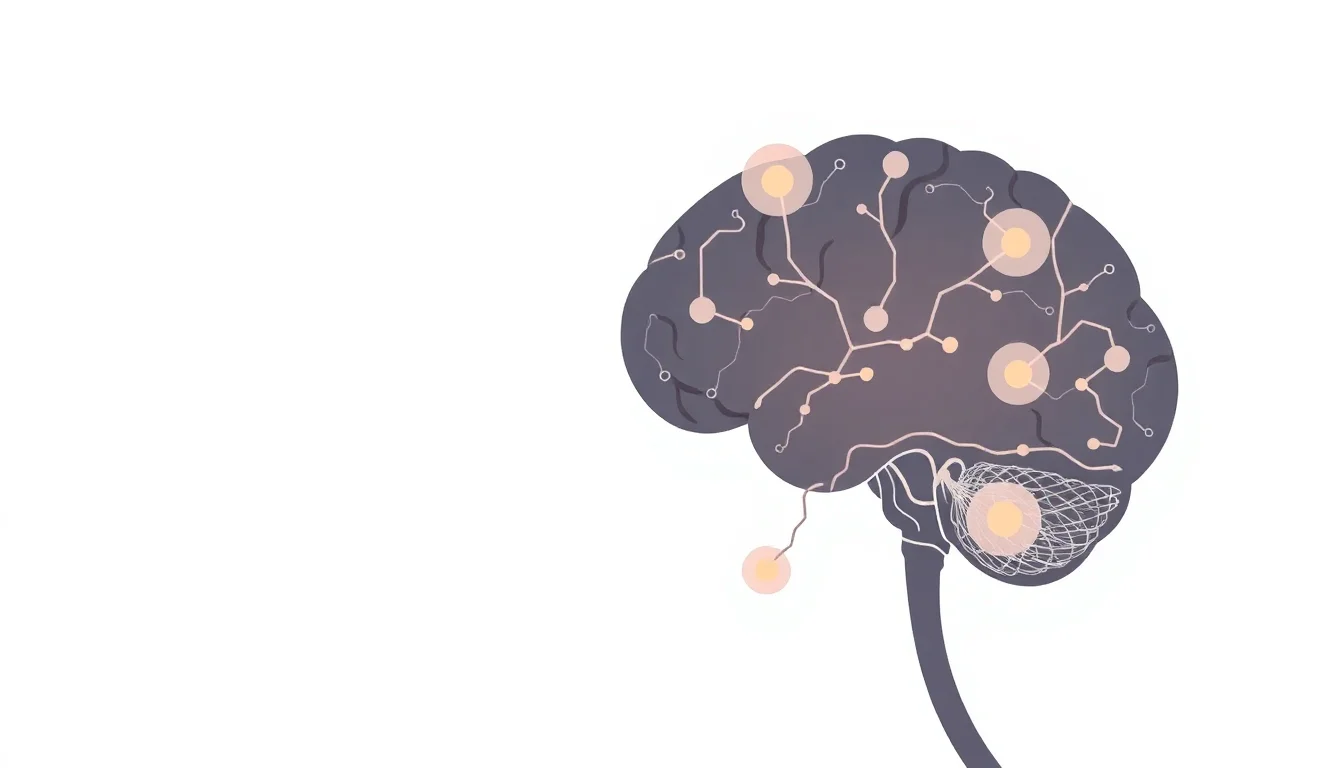
At its core, neuroendocrinology operates through a feedback loop system. The hypothalamus, a region of the brain, acts as the central command center, producing releasing and inhibiting hormones that travel via the hypophyseal portal system to the anterior pituitary gland. These pituitary hormones then act on peripheral endocrine glands (e.g., thyroid, adrenal cortex, gonads) to stimulate the release of their respective hormones (e.g., thyroxine, cortisol, estrogen, testosterone). These peripheral hormones, in turn, exert effects on target tissues throughout the body and also feed back to the hypothalamus and pituitary, modulating further hormone release. This intricate interplay ensures homeostasis, maintaining stable internal conditions. For instance, the hypothalamic-pituitary-adrenal (HPA) axis is a classic example, where stress signals trigger a cascade leading to cortisol release, which then helps the body cope with the stressor while simultaneously signaling back to reduce further activation.
📊 Key Facts & Numbers
The field of neuroendocrinology is underpinned by a vast array of quantifiable data. For example, the human hypothalamus contains approximately 4 million neurons, many of which are neurosecretory. The pituitary gland, though small, influences at least 10 major endocrine glands and is responsible for regulating over 30 hormones. Studies have shown that the concentration of certain hormones can fluctuate by over 1000% within a 24-hour period, demonstrating the dynamic nature of neuroendocrine regulation. The global market for hormone therapies, a direct application of neuroendocrine knowledge, was valued at over $40 billion in 2022 and is projected to grow significantly. Research papers published annually in journals like Neuroendocrinology and Journal of Neuroendocrinology number in the thousands, reflecting the extensive research output.
👥 Key People & Organizations
Pioneering figures like Ernst Schöen-Evers and Georg Grote laid early groundwork, but the modern era of neuroendocrinology was shaped by Nobel laureates Roger Guillemin and Andrew V. Schally, who identified hypothalamic releasing hormones. Berta Scharrer's concept of neurosecretion was also pivotal. Key organizations driving research include the American Neuroendocrine Society, the European Neuroendocrine Association, and the International Society of Neuroendocrinology. Major research institutions like Rockefeller University and the National Institutes of Health (NIH) in the U.S., along with numerous universities globally, host leading neuroendocrine research labs, fostering collaboration and discovery.
🌍 Cultural Impact & Influence
Neuroendocrinology has profoundly shaped our understanding of human behavior, health, and disease. It provides the biological underpinnings for how stress affects our bodies and minds, explaining phenomena like 'fight or flight' responses mediated by epinephrine and norepinephrine. Its insights into reproductive hormones have revolutionized contraception, fertility treatments like IVF, and our understanding of gender development. The field's exploration of hormones like serotonin and dopamine has been crucial in developing treatments for mood disorders such as depression and schizophrenia. Furthermore, its influence extends to fields like evolutionary biology, where hormonal regulation is seen as a key driver of species adaptation and social behavior in animals.
⚡ Current State & Latest Developments
Current research in neuroendocrinology is rapidly advancing, focusing on areas like the gut-brain axis and the microbiome's influence on hormone production and neural signaling. The development of sophisticated genetic editing tools like CRISPR-Cas9 allows for precise manipulation of neuroendocrine pathways in model organisms, accelerating discovery. Researchers are also investigating the role of neuroendocrine factors in aging, neurodegenerative diseases such as Alzheimer's disease, and the impact of environmental endocrine disruptors. The advent of single-cell RNA sequencing and advanced imaging techniques allows for unprecedented resolution in mapping neuroendocrine circuits and identifying novel signaling molecules. The NIH continues to fund significant research initiatives in this area, with recent grants focusing on stress, metabolism, and neurodevelopmental disorders.
🤔 Controversies & Debates
One of the most persistent debates in neuroendocrinology revolves around the extent to which behavior is genetically predetermined versus environmentally influenced, particularly concerning hormones. For instance, the role of testosterone in aggression remains a highly contested topic, with studies showing complex interactions rather than a simple causal link. Another area of controversy involves the long-term effects of exogenous hormone administration, such as in hormone replacement therapy (HRT) for menopause, where risks and benefits are still debated. The impact of endocrine-disrupting chemicals (EDCs) found in plastics and pesticides is also a subject of intense scientific and public scrutiny, with ongoing debates about regulatory standards and the precise mechanisms of harm at low exposure levels.
🔮 Future Outlook & Predictions
The future of neuroendocrinology promises a deeper understanding of personalized medicine, tailored to an individual's unique hormonal profile. Advances in artificial intelligence and machine learning are expected to accelerate the analysis of complex neuroendocrine datasets, leading to predictive models for disease risk and treatment response. We can anticipate novel therapeutic strategies targeting specific neuroendocrine pathways for conditions like obesity, infertility, and mental health disorders. Research into the neuroendocrine basis of consciousness and subjective experience may also yield surprising insights. Furthermore, the field will likely play a crucial role in understanding and mitigating the effects of environmental factors on human health, particularly concerning endocrine disruption and climate change.
💡 Practical Applications
The practical applications of neuroendocrinology are vast and touch nearly every aspect of modern medicine and biology. Hormone replacement therapies, used to treat conditions like hypothyroidism, diabetes (insulin therapy), and growth hormone deficiency, are direct outcomes. Fertility treatments, including ovulation induction and assisted reproductive technologies, rely heavily on understanding reproductive neuroendocrinology. Psychiatric medications often target neurotransmitter systems that are intricately linked with hormonal regulation, influencing mood, anxiety, and cognition. Furthermore, understanding the neuroendocrine stress response has led to interventions in [[stress-ma
Key Facts
- Category
- science
- Type
- topic