
Contents
- 🏎️ What is Mercedes-AMG?
- 🎯 Who is Mercedes-AMG For?
- ⭐ Vibe & Performance Metrics
- 💡 Key Models & Their Quirks
- 🆚 AMG vs. M vs. RS: The German Holy Trinity
- 🛠️ Engineering Philosophy & Innovation
- 💰 Pricing & Ownership Considerations
- 📍 Where to Experience AMG
- 📈 The Future of AMG
- 🤔 Common Criticisms & Debates
- Frequently Asked Questions
- Related Topics
Overview
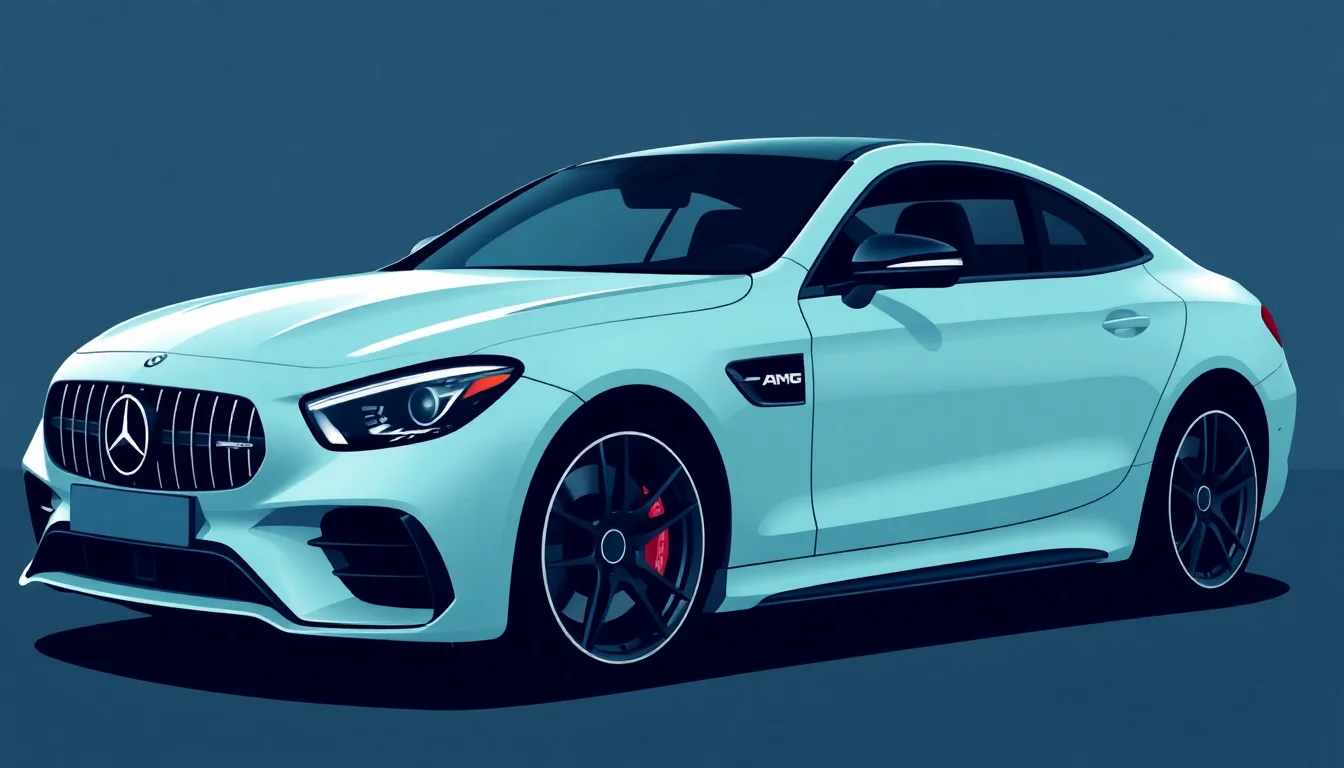
Mercedes-AMG is not merely a trim level; it's the high-performance division of Mercedes-Benz, born from a passion for motorsport and an obsession with pushing automotive boundaries. Founded in 1967 by Erhard Melcher and Hans Werner Aufrecht in Burgstall, Germany, AMG initially operated as an independent engineering firm specializing in Mercedes-Benz vehicles before being fully integrated into the Mercedes-Benz Group. This lineage imbues every AMG vehicle with a distinct character, blending luxury with raw, unadulterated performance that often surprises even seasoned drivers. The 'One Man, One Engine' philosophy, where a single technician assembles a complete AMG engine, underscores the handcrafted dedication to precision and quality that defines the brand.
🎯 Who is Mercedes-AMG For?
Mercedes-AMG is for the driver who demands more than just transportation; it's for the enthusiast who craves visceral feedback, exhilarating acceleration, and a soundtrack that stirs the soul. This is for individuals who appreciate the finer details of engineering, the subtle nuances of chassis tuning, and the undeniable presence of a meticulously crafted machine. Whether you're navigating winding mountain roads or making a statement on the boulevard, an AMG offers a potent blend of everyday usability and track-day capability. It appeals to those who understand that performance isn't just about speed, but about the entire driving experience, from the initial turn of the key to the final corner.
⭐ Vibe & Performance Metrics
On the Vibepedia scale, Mercedes-AMG consistently scores high, typically in the 85-95 range for 'Performance Vibe' and 70-85 for 'Luxury Integration.' This reflects its ability to deliver extreme performance without sacrificing the comfort and refinement expected from a Mercedes-Benz. The 'Vibe Score' is driven by factors like engine sound (often a V8 rumble or a high-revving V12 growl), acceleration G-forces, steering feel, and the sheer presence of the vehicles. While raw power figures are impressive—think 0-60 mph times often under 4 seconds for many models—the true 'vibe' comes from the way these elements coalesce into an intoxicating driving experience. The engineering prowess is evident in the sophisticated all-wheel drive systems and adaptive suspension technologies that manage this immense power.
💡 Key Models & Their Quirks
The AMG lineup is diverse, but certain models have become icons. The C63 (especially in its V8 guises) is legendary for its muscular stance and tire-shredding capabilities, often considered the benchmark for performance sedans. The GT family, from the sleek two-door coupe to the four-door 'GT' sedan, showcases AMG's dedication to sports car design and dynamic prowess. For those seeking ultimate exclusivity and power, models like the V12-powered S65 sedan or the track-focused AMG ONE hypercar represent the pinnacle. Each model, while sharing the AMG DNA, offers a unique personality, from the aggressive track-honed nature of the GT R to the more refined yet potent performance of the E63 S.
🆚 AMG vs. M vs. RS: The German Holy Trinity
When comparing AMG to its German rivals, BMW M and Audi RS, the distinctions are clear, though often debated. BMW M often emphasizes driver engagement and a more raw, analog feel, particularly in its manual transmission offerings (though these are increasingly rare). Audi RS models are known for their sophisticated Quattro all-wheel-drive systems, offering immense grip and stability, often with a more understated aesthetic. AMG, meanwhile, frequently leans into brute force, particularly with its V8 engines, combined with a luxurious interior and a more dramatic, extroverted presence. The choice often comes down to personal preference: the M's sharp agility, the RS's all-weather confidence, or the AMG's potent blend of luxury and thunderous power. Vibepedia's 'Performance Division Rivalry' index places these three in constant contention, with Vibe Scores fluctuating based on new model releases and specific performance benchmarks.
🛠️ Engineering Philosophy & Innovation
AMG's engineering philosophy is rooted in the 'Handcrafted by Racers' ethos. This translates to a focus on powerful, often hand-built engines, robust transmissions, and finely tuned suspension and braking systems. Innovations like the 'Affalterbach' V8 engines, the adaptive AMG Ride Control suspension, and the sophisticated AMG DYNAMIC SELECT drive modes allow drivers to tailor the car's behavior from comfortable cruising to aggressive track performance. The brand also pioneers advanced aerodynamics and lightweight construction techniques, drawing heavily from its motorsport experience in Deutsche Tourenwagen Masters and Formula 1. This relentless pursuit of performance is evident in every component, from the larger brakes to the reinforced chassis.
💰 Pricing & Ownership Considerations
Owning a Mercedes-AMG is an investment. Pricing typically starts significantly higher than their standard Mercedes-Benz counterparts, often entering the $70,000+ range for entry-level models like the A35 or CLA35, and quickly escalating to $150,000-$200,000+ for flagship models like the S63 or GT variants. Maintenance and repair costs are also considerably higher due to the specialized nature of the performance components and the advanced technology involved. Insurance premiums will reflect the vehicle's value and performance capabilities. While depreciation can be a factor, well-maintained AMG models, particularly special editions or those with iconic engines like the M177 V8, can hold their value surprisingly well among collectors and enthusiasts. Consider the total cost of ownership, including fuel consumption, which can be substantial given the powerful engines.
📍 Where to Experience AMG
Experiencing AMG firsthand is best done through a test drive at a certified dealership. Many dealerships offer performance driving experiences or have AMG specialists who can guide you through the lineup. For a more immersive experience, look for AMG Driving Academy events held at racetracks across the globe. These programs allow you to push AMG vehicles to their limits in a controlled environment under professional instruction. Attending automotive shows or enthusiast gatherings can also provide opportunities to see and sometimes even sit in various AMG models. Some major cities might host pop-up AMG showcases, especially during significant automotive events.
📈 The Future of AMG
The future of Mercedes-AMG is a complex equation balancing electrification, emissions regulations, and the brand's core identity. While the iconic V8 engines are being phased out in some markets, AMG is embracing hybrid and fully electric powertrains. The EQS 53 4MATIC+ demonstrates this shift, offering blistering electric acceleration. However, the challenge lies in replicating the visceral V8 sound and character in an electric future. Expect AMG to continue pushing the boundaries of performance, integrating advanced battery technology, sophisticated torque-vectoring systems, and perhaps even new forms of propulsion. The question remains: can AMG maintain its 'Vibe Score' and enthusiast appeal as it transitions to a more sustainable, electrified future, or will the soul of Affalterbach be lost in translation?
🤔 Common Criticisms & Debates
Despite its stellar reputation, Mercedes-AMG isn't without its critics. A common debate revolves around the increasing reliance on all-wheel drive, which some purists argue dilutes the raw, rear-wheel-drive hooliganism of older models like the W204 C63. Another point of contention is the perceived 'sameness' across some models, with critics suggesting that the luxury and refinement can sometimes overshadow the distinct driving character that once defined AMG. The shift towards electrification also raises concerns about maintaining the signature engine notes and the overall sensory experience. Furthermore, the sheer complexity and cost of AMG vehicles mean that their exclusivity is a double-edged sword, limiting accessibility for many aspiring enthusiasts. The 'Controversy Spectrum' for AMG often hovers around 'Moderate' to 'High,' particularly concerning engine changes and technological integration.
Key Facts
- Year
- 1967
- Origin
- Affalterbach, Germany
- Category
- Automotive Performance Division
- Type
- Brand/Division
Frequently Asked Questions
What does 'AMG' stand for?
AMG stands for Aufrecht, Melcher, and Großaspach. Aufrecht and Melcher were the founders, and Großaspach is the birthplace of Aufrecht, where the company was originally located. It represents the engineering prowess and heritage of the brand, originating from a small tuning company to a global performance powerhouse.
Are all Mercedes-AMG models V8-powered?
No, not all. While the V8 has been a hallmark of AMG performance for decades, the lineup includes models with turbocharged 4-cylinder engines (like the A45 and CLA45), 6-cylinder engines (in some AMG 43 and 53 models), and the upcoming hybrid and fully electric powertrains. The V8 is being phased out in some regions due to emissions regulations, but it remains a significant part of AMG's history and current offerings.
Is an AMG a good daily driver?
For many, yes. AMG vehicles blend potent performance with the comfort and luxury expected from Mercedes-Benz. Features like adaptive suspension, multiple drive modes, and refined interiors make them surprisingly capable daily drivers. However, their firm rides, high running costs (fuel, insurance, maintenance), and sheer power can be demanding in stop-and-go traffic or on poor road surfaces.
What is the 'One Man, One Engine' philosophy?
This is a core principle at AMG where a single master technician is responsible for assembling an entire AMG engine, from start to finish. Each engine is signed by the technician who built it, signifying a commitment to meticulous craftsmanship, quality control, and a personal touch in every handcrafted powerplant. This practice underscores the dedication to precision engineering that defines the brand.
How does AMG compare to Brabus?
Brabus is an independent aftermarket tuning company that specializes in heavily modifying Mercedes-Benz vehicles, including AMG models. While AMG focuses on factory-approved performance enhancements, Brabus often takes things to an extreme with significantly increased power outputs, bespoke interiors, and unique styling. Brabus vehicles are typically more exclusive and considerably more expensive than standard AMGs.
Are AMG engines reliable?
Generally, AMG engines are built to high standards with robust components, reflecting their motorsport heritage. However, their high-performance nature means they are often pushed harder and require more diligent maintenance than standard engines. Owners should adhere strictly to recommended service intervals and use high-quality fluids. Like any high-performance machine, they can be expensive to repair if issues arise, but with proper care, they are known for their durability.