
Contents
Overview
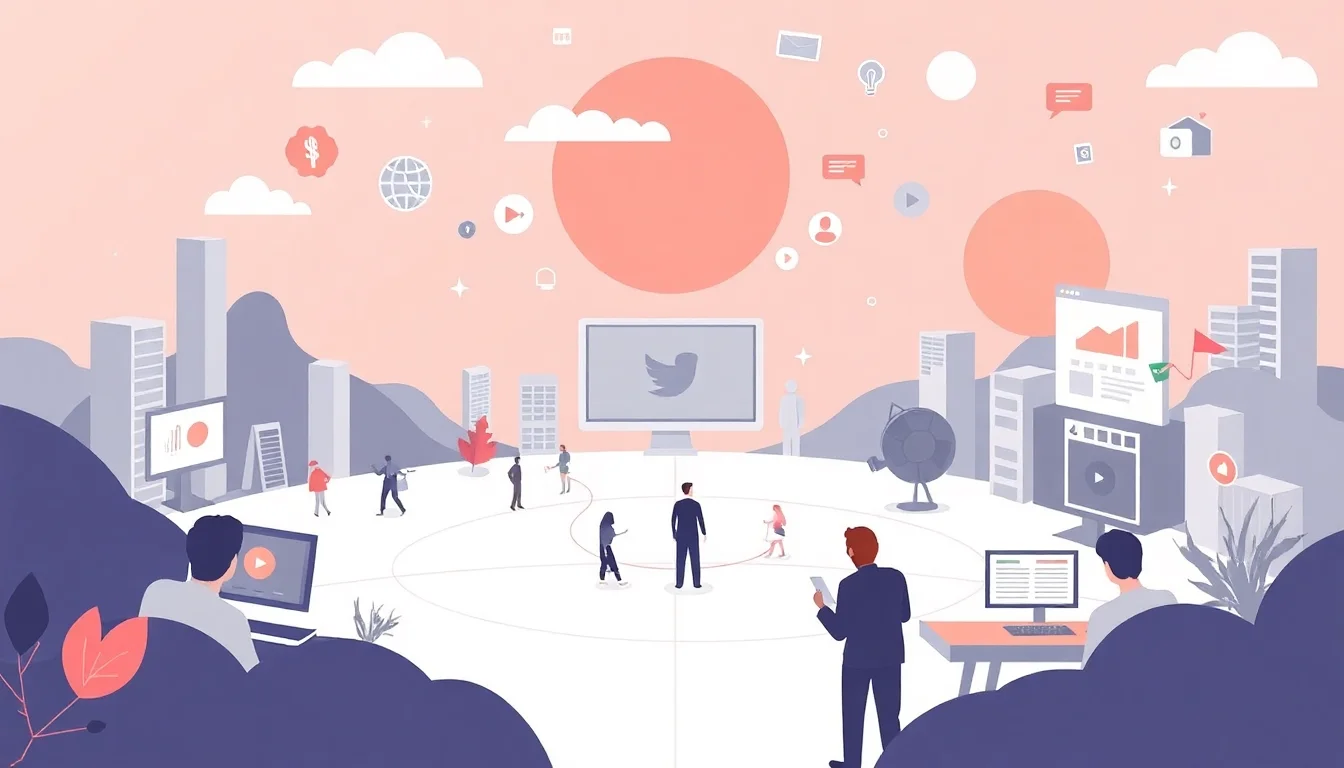
The media landscape refers to the complex, ever-changing ecosystem of information dissemination, encompassing all forms of media—from traditional legacy media and broadcast television to digital platforms, social networks, and emerging technologies. It's not a static entity but a dynamic, interconnected web where content is created, distributed, consumed, and debated. Understanding this landscape is crucial for discerning fact from fiction, identifying biases, and grasping the forces shaping public discourse and cultural narratives. Think of it as the digital and analog equivalent of a bustling global marketplace, but for ideas and information, with varying degrees of regulation and transparency.
🔍 Key Players & Platforms
The players in this ecosystem range from established major media companies like News Corp and Disney, which still wield significant influence, to nimble digital-native outlets such as Axios and The Intercept. Social media giants like Meta (Facebook, Instagram), Google (YouTube, Search), and X (formerly Twitter) act as both distributors and creators of content, often blurring the lines between platform and publisher. Independent creators, bloggers, podcasters, and citizen journalists also contribute, adding diverse voices but sometimes lacking the editorial oversight of traditional institutions. Understanding the ownership and operational models of these entities is key to assessing their content.
📈 The Shifting Tides of Influence
The influence within the media landscape is constantly in flux, driven by technological innovation and shifting audience behaviors. Historically, television news and major newspapers dominated, setting the agenda. The rise of the internet and social media democratized content creation but also led to fragmentation and the proliferation of niche communities. Algorithms now play a colossal role, curating what billions see, often prioritizing engagement over accuracy, which has profound implications for societal divisions. The flow of influence is increasingly decentralized, yet concentrated in the hands of a few powerful tech platforms.
⚖️ Trust, Truth, and the Noise
The core tension in the modern media landscape revolves around trust and truth. The sheer volume of information, coupled with the speed of its spread, makes it challenging to verify sources and distinguish credible reporting from propaganda or outright falsehoods. disinformation and fringe narratives can gain traction rapidly, amplified by social media algorithms and coordinated campaigns. This erosion of trust in institutions, including the media itself, poses a significant threat to informed decision-making and democratic processes, creating a constant battle for the public's attention and belief.
💡 Strategies for Critical Consumption
To navigate this environment effectively, cultivate a habit of critical media consumption. Always question the source: Who created this content? What is their agenda? Cross-reference information with multiple reputable sources, looking for corroboration and dissenting viewpoints. Be aware of your own biases and how they might influence your perception. Understand how algorithms work and actively seek out diverse perspectives beyond your usual feeds. Fact-checking websites like Snopes and PolitiFact can be invaluable tools in verifying dubious claims.
🚀 The Future of Information Flow
The future of the media landscape is likely to be shaped by artificial intelligence, the metaverse, and evolving regulatory frameworks. AI is already being used to generate content, personalize news feeds, and detect misinformation, but it also presents new challenges in terms of authenticity and bias. Immersive VR and augmented reality experiences could create entirely new forms of media consumption, demanding new critical skills. Governments worldwide are grappling with how to regulate big tech and ensure a healthy information ecosystem, a debate that will continue to define the boundaries of free speech and platform responsibility.
📚 Further Exploration & Resources
For those seeking to deepen their understanding, exploring resources on journalism ethics and the history of media bias is crucial. Academic institutions offer extensive programs in media studies, while organizations like the Poynter Institute provide training and research. Engaging with books on the subject, such as 'The Filter Bubble' by Eli Pariser or 'Manufacturing Consent' by Edward S. Herman and Noam Chomsky, offers foundational insights. Following investigative journalists and media critics on platforms like X can provide real-time analysis of current media trends and controversies.
Key Facts
- Year
- 2023
- Origin
- Vibepedia.wiki
- Category
- Media Studies
- Type
- Topic
Frequently Asked Questions
What's the difference between misinformation and disinformation?
Misinformation is false or inaccurate information that is spread, regardless of intent to deceive. Disinformation, on the other hand, is deliberately false or misleading information that is spread with the intent to deceive or manipulate. The latter is often part of coordinated influence operations. Understanding this distinction is vital for analyzing the motives behind information spread.
How do algorithms impact what I see online?
Social media and search engine algorithms are designed to personalize your experience by showing you content they predict you'll engage with. This often leads to 'filter bubbles' or 'echo chambers' where you are primarily exposed to viewpoints that confirm your existing beliefs, limiting exposure to diverse perspectives. This can significantly shape your understanding of global affairs.
Are traditional media outlets still relevant?
Yes, traditional media outlets, while facing challenges from digital platforms, remain highly relevant. They often have established journalistic integrity, fact-checking processes, and investigative resources that many online-only sources lack. Their reporting still sets the agenda for much of the public discourse, even if distribution methods have evolved.
How can I identify bias in media reporting?
Bias can manifest in various ways, including story selection (what's covered and what's ignored), placement (front page vs. buried), headline wording, use of loaded language, and the sources quoted. Comparing coverage of the same event across different outlets, especially those with known political leanings, is a good strategy. Recognizing media framing is key.
What is 'citizen journalism' and is it reliable?
Citizen journalism refers to reporting conducted by ordinary people, often via social media or personal blogs, rather than professional journalists. It can provide valuable on-the-ground perspectives and break news quickly, especially during major events. However, it often lacks the rigorous fact-checking and editorial oversight of traditional journalism, making its reliability variable and requiring careful verification.
How is the media landscape different globally?
The media landscape varies significantly by country due to differences in regulatory environments, political systems, cultural norms, and technological adoption rates. Some countries have highly state-controlled media, while others have robust independent press. Access to information and freedom of expression are key differentiators, impacting the diversity and reliability of available information.