Marshall Stack | Vibepedia
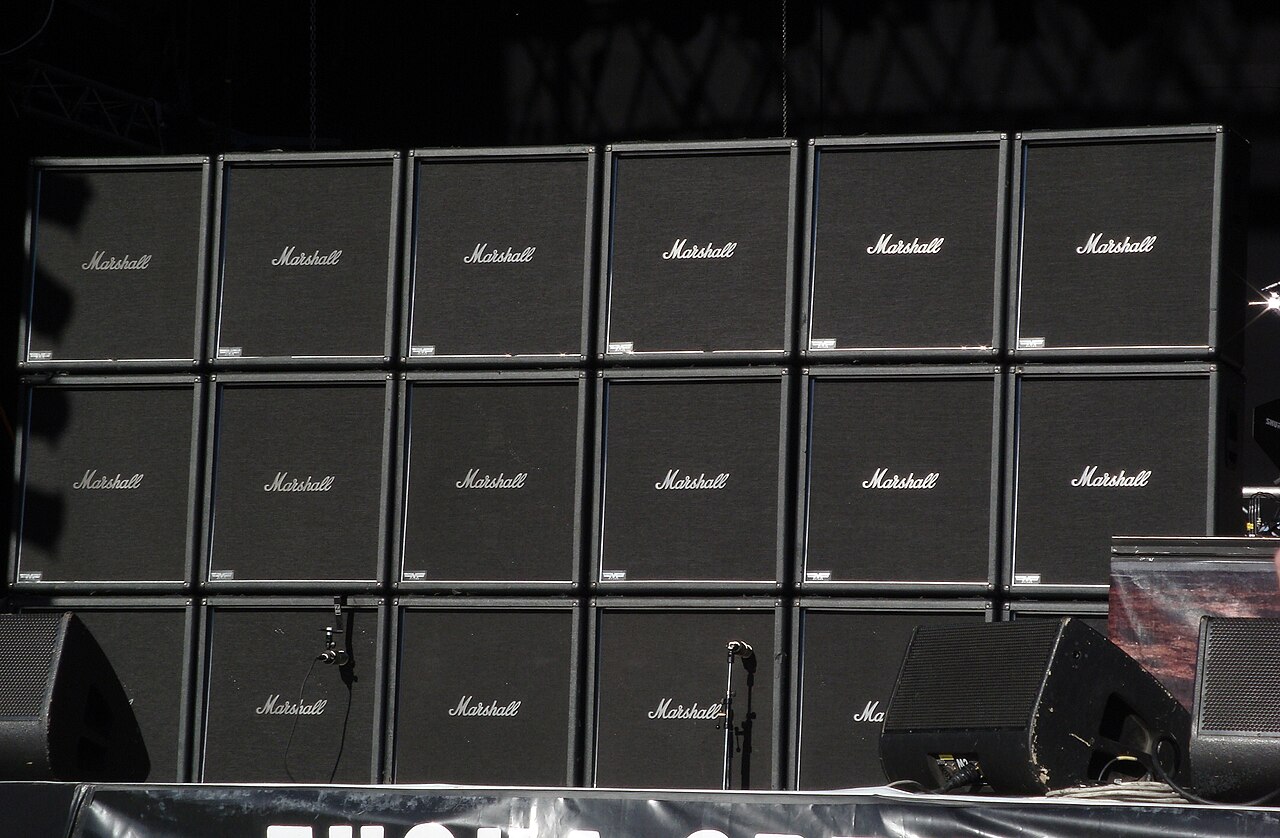
The Marshall Stack, a towering configuration of one or more amplifier heads atop two or more speaker cabinets, is more than just a piece of equipment; it's a…
Contents
- 🎸 What is a Marshall Stack?
- 🔊 The Iconic Sound: Why It Matters
- 🛠️ Anatomy of a Stack: Components Explained
- 🎶 Who Uses the Marshall Stack?
- 💡 The Evolution of the Stack
- 💥 Pros and Cons: Is It Right for You?
- 💰 Cost and Value Considerations
- ✨ Alternatives to the Classic Stack
- Frequently Asked Questions
- Related Topics
Overview
The Marshall Stack, a towering configuration of one or more amplifier heads atop two or more speaker cabinets, is more than just a piece of equipment; it's a sonic monument. Born from Jim Marshall's workshop in Hanwell, London, in the mid-1960s, its signature sound – a powerful, overdriven roar – became the voice of rock music. From Jimi Hendrix at Woodstock to countless stadium tours, the Stack's visual and auditory presence is inseparable from the genre's evolution. Its influence is so profound that it continues to be a benchmark for amplifier design and a symbol of rock's raw energy, even as digital modeling offers alternatives.
🎸 What is a Marshall Stack?
The Marshall Stack isn't just an amplifier; it's a monument to rock and roll's sonic power. At its core, it's a configuration of Marshall Amplification gear, typically consisting of a head (the amplifier itself) placed atop one or more speaker cabinets. This towering setup, often reaching over six feet tall, became the visual and auditory signature of countless legendary guitarists. It’s designed to deliver immense volume, rich tone, and a stage presence that commands attention. For guitarists seeking that quintessential British rock sound, the stack is often the ultimate goal.
🔊 The Iconic Sound: Why It Matters
The sound of a Marshall Stack is characterized by its aggressive midrange, tight bass, and searing treble, capable of producing everything from bluesy crunch to full-blown distortion. This distinctive tone, often referred to as the "Marshall roar," is a result of the company's proprietary circuitry and speaker designs, particularly those found in iconic models like the Plexi and JCM800. It’s a sound that cuts through a mix, making it ideal for live performance and studio recording alike. The sheer volume it can produce is also a key factor, allowing guitarists to compete with loud drummers and bassists.
🛠️ Anatomy of a Stack: Components Explained
A standard Marshall Stack comprises two main parts: the amplifier head and the speaker cabinet(s). The head houses the amplifier's electronics, including preamplifiers, power amplifiers, and controls for tone shaping. Common heads include the Marshall Super Lead 1959 (often called the "Plexi") and the Marshall JCM800 2203. The speaker cabinet, typically a 4x12 model, contains four 12-inch speakers designed to project the amplified sound. Some players opt for multiple cabinets to increase volume and sonic impact, creating the iconic "wall of sound."
🎶 Who Uses the Marshall Stack?
The Marshall Stack is synonymous with rock music's golden eras and continues to be a staple for guitarists across genres. Early adopters like Jimi Hendrix and Eric Clapton cemented its status, while later artists such as Slash of Guns N' Roses and Joe Satriani have kept the tradition alive. While its roots are firmly in hard rock and blues, you'll find stacks used in heavy metal, punk, and even some pop contexts where a powerful, distinctive guitar tone is desired. Its visual impact on stage is undeniable, making it a favorite for performers who want to project an image of power and authority.
💡 The Evolution of the Stack
Founded by Jim Marshall in London in 1962, Marshall Amplification initially focused on bass amps before evolving into the guitar amplification powerhouse we know today. The "stack" configuration gained prominence in the late 1960s and early 1970s as guitarists sought more volume and a more aggressive tone to compete with increasingly loud bands. Innovations like the master volume control, introduced in models like the Marshall JMP 2204, allowed players to achieve desirable overdrive tones at more manageable volumes, further solidifying the stack's dominance.
💥 Pros and Cons: Is It Right for You?
The advantages of a Marshall Stack are its unparalleled volume, iconic tone, and imposing stage presence. It's a "plug and play" solution for many guitarists seeking a specific sound. However, the cons are significant: they are incredibly loud, often too loud for smaller venues or home practice without attenuators. They are also heavy, bulky, and expensive, making them difficult to transport and maintain. For players in quieter genres or those with limited space, a full stack might be overkill.
💰 Cost and Value Considerations
The cost of a Marshall Stack can vary wildly depending on the specific head and cabinet models, their condition (new vs. used), and any modifications. A new head and a matching 4x12 cabinet can easily run into several thousand dollars. Used gear can offer significant savings, but buyers should be wary of wear and tear. While the initial investment is substantial, many players find the long-term value in the stack's durability, iconic tone, and enduring desirability. The resale market for vintage Marshall Amplification gear remains strong.
✨ Alternatives to the Classic Stack
For those who love the Marshall Stack sound but are deterred by its size, volume, or cost, several alternatives exist. Smaller Marshall Amps, such as the Marshall DSL series or Marshall Origin series combos, offer a taste of the Marshall tone in more manageable formats. Modeling amplifiers from brands like Line 6 or Kemper can accurately replicate the sound of a Marshall stack digitally. Additionally, pedalboard overdrive and distortion pedals can be used with cleaner amps to achieve similar sonic characteristics without the physical footprint.
Key Facts
- Year
- 1966
- Origin
- London, UK
- Category
- Music Gear
- Type
- Product/Icon
Frequently Asked Questions
What is the difference between a half stack and a full stack?
A full stack consists of an amplifier head placed on top of two 4x12 speaker cabinets, creating a towering setup. A half stack, on the other hand, uses only one 4x12 cabinet. The full stack offers greater volume and a more imposing visual presence, while the half stack is more manageable in terms of size and weight, often providing sufficient volume for most gigging musicians.
Are Marshall Stacks too loud for home practice?
Generally, yes. Marshall Stacks are designed for live performance and can produce extremely high volumes. Practicing at full tilt at home is often impractical and can be detrimental to hearing. However, many modern Marshall Amplification heads include master volume controls or power reduction switches, and using an attenuator can help achieve desirable tones at lower volumes.
What are the most iconic Marshall Stack models?
The most revered models include the Marshall Super Lead 1959 (the "Plexi"), known for its rich, dynamic overdrive, and the Marshall JCM800 2203, which defined the sound of 80s hard rock and metal with its aggressive, tight tone. The Marshall Plexi Super Bass 100 is also highly sought after for its powerful, clear sound.
Can a Marshall Stack be used for genres other than rock?
Absolutely. While synonymous with rock, the versatility of Marshall Amplification means its tone can be adapted. Blues players appreciate the dynamic response of older models, and jazz musicians might use cleaner settings. However, its inherent character leans towards overdrive and distortion, making it most at home in heavier genres.
How do I maintain a Marshall Stack?
Regular maintenance involves checking vacuum tubes for wear and tear, ensuring speaker cones are in good condition, and keeping the chassis clean. For tube amps, periodic retubing by a qualified technician is essential for optimal performance and to prevent damage. Protecting the amp from moisture and extreme temperatures is also crucial.
Is a vintage Marshall Stack worth the investment?
For many collectors and serious musicians, yes. Vintage Marshall Amplification gear, particularly from the 1960s and 70s, is highly prized for its unique tone and build quality. These amps often appreciate in value. However, they require careful handling, maintenance, and can be significantly more expensive than modern equivalents.