
Contents
Overview
The Jacobite Risings weren't just a series of isolated skirmishes; they were a century-long ideological and dynastic struggle that fundamentally reshaped the British Isles. Beginning with the deposition of James VII and II in 1688, these rebellions aimed to restore the Catholic Stuart monarchy to the thrones of England, Scotland, and Ireland. Often romanticized, particularly the '45 Rising led by Bonnie Prince Charlie, these conflicts were brutal, deeply divisive, and had profound consequences for Scottish identity, Highland culture, and the very structure of the British state. Understanding the Jacobite cause means grappling with questions of religious freedom, national sovereignty, and the enduring power of loyalty in the face of overwhelming odds. It's a story of shifting alliances, desperate gambles, and the eventual triumph of a new political order, leaving a lasting imprint on the historical consciousness of the UK.
🏴☠️ What Are the Jacobite Risings?
The Jacobite Risings were a series of armed rebellions between 1689 and 1746, aiming to restore the Stuart dynasty to the thrones of England, Scotland, and Ireland. Following the Glorious Revolution of 1688, which deposed Catholic King James II, his Protestant daughter Mary II and her husband William III were invited to rule. Jacobites, however, viewed this as an illegitimate usurpation, believing James II and his heirs were the rightful monarchs. These uprisings weren't just about dynastic succession; they were deeply intertwined with religious, political, and national identity struggles across Britain.
📍 Key Locations & Battlegrounds
The primary theaters for the Jacobite Risings were the Scottish Highlands and Ireland. Key battlegrounds include Killiecrankie (1689), where Viscount Dundee secured a victory but died, and Culloden (1746), the final and decisive defeat for the Jacobite cause. In Ireland, the Williamite War in Ireland (1689-1691) saw significant conflict, culminating in the Battle of the Boyne (1690) and the Siege of Limerick (1691). While the focus was often Scotland, the Stuart claim had implications for all three kingdoms, with various plots and minor actions occurring in England.
📅 Timeline of Major Uprisings
The Jacobite narrative is punctuated by three major uprisings. The first, from 1689-1691, was a direct response to the Glorious Revolution, led by figures like Viscount Dundee. The second, known as the Fifteen, occurred in 1715, attempting to place James Francis Edward Stuart (the 'Old Pretender') on the throne. The most famous, the Forty-Five, in 1745, was led by his son, Charles Edward Stuart (the 'Young Pretender' or 'Bonnie Prince Charlie'), who famously landed in Scotland and marched as far south as Derby. Each rising had distinct phases, leadership, and outcomes, shaping the perception of the movement.
👑 The Stuart Claimants
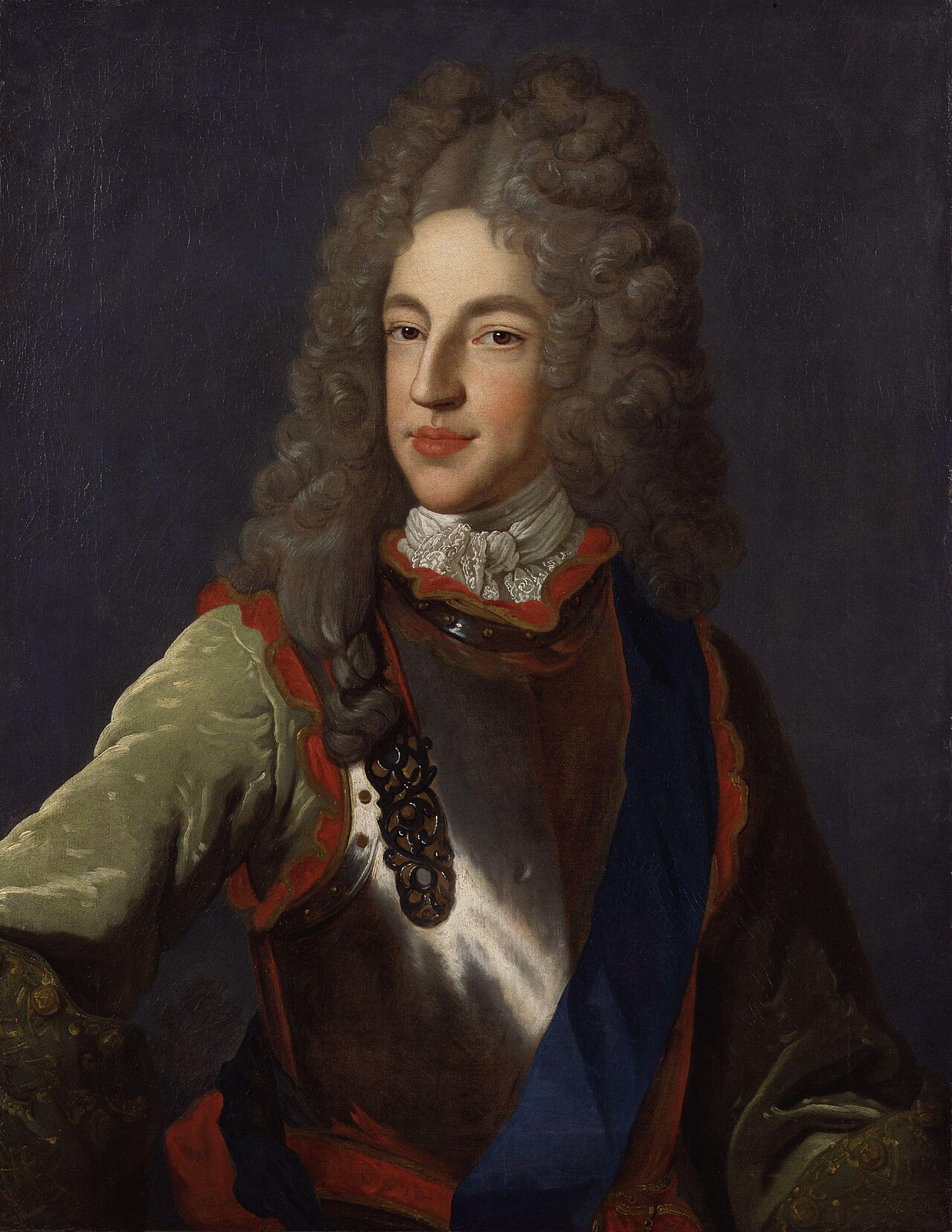
The heart of Jacobitism lay with the deposed Stuart monarchs and their descendants. James II himself, after his exile, remained a symbol for his supporters. His son, James Francis Edward Stuart, was proclaimed king by his supporters in 1701 and made attempts to land in Scotland, though his 1715 rising was ultimately unsuccessful. His son, Charles Edward Stuart, became the romantic figurehead of the movement, his charisma inspiring the 1745 rebellion. The legitimacy of their claim, rooted in hereditary right, was the central tenet that fueled decades of conflict and intrigue.
⚔️ Tactics and Military Aspects
Jacobite military strategy often relied on swift, decisive action, hoping to catch the Hanoverian government off guard. They frequently employed Highland clan levies, known for their ferocity in close combat, particularly with the Highland charge. However, they often struggled with siege warfare and lacked consistent artillery support. The Duke of Cumberland's victory at Culloden, employing disciplined redcoats and artillery, demonstrated the evolving nature of warfare and the limitations of traditional Jacobite tactics against a well-equipped, professional army. The Battle of Preston (1715) also highlighted issues with coordination and leadership.
💰 Funding and Support Networks
Funding the Jacobite cause was a constant challenge. Support came from various sources: exiled Scottish nobles, sympathetic Catholic powers like France and Spain, and clandestine networks within Britain. The French crown, in particular, saw Jacobite uprisings as a way to destabilize their rival, Great Britain, and provided intermittent financial and military aid, though often insufficient or too late. Internal fundraising through subscriptions and contributions from wealthy sympathizers was also crucial, but the constant need for resources often hampered the rebels' campaigns.
🗣️ Cultural Resonance and Legacy
The Jacobite Risings have left an indelible mark on British culture, particularly in Scotland. The romantic image of 'Bonnie Prince Charlie' and the tragic defeat at Culloden have inspired countless novels, poems, songs, and films, such as Robert Louis Stevenson's 'Kidnapped' and the ballad 'Will Ye No Come Back Again?'. The suppression of Highland culture following 1746, including the Act of Proscription (1746), further cemented the Jacobite narrative as a symbol of lost causes and cultural resistance. The Vibe Score for Jacobite romanticism remains high, often overshadowing the complex political realities.
🤔 Debates and Controversies
The primary debate surrounding the Jacobite Risings centers on their legitimacy and ultimate goals. Was it a noble, albeit doomed, fight for divine right and traditional monarchy, or a misguided attempt by a foreign-backed pretender to impose Catholicism and absolutism? Historians also debate the extent of popular support for the Stuarts versus the influence of clan politics and aristocratic ambition. The Controversy Spectrum for Jacobitism is moderate, with most acknowledging its historical significance but differing on the moral and political interpretations of the movement's aims and methods.
Key Facts
- Year
- 1688-1746
- Origin
- British Isles
- Category
- Historical Conflicts
- Type
- Historical Event Series
Frequently Asked Questions
Who were the Jacobites?
The Jacobites were supporters of the deposed Stuart dynasty who sought to restore them to the British thrones after the Glorious Revolution of 1688. They believed in the divine right of kings and viewed William III and Mary II, and later the Hanoverians, as illegitimate rulers. Their movement spanned several decades and involved multiple armed uprisings.
What were the main Jacobite Risings?
There were three major Jacobite Risings: the first from 1689-1691, the 'Fifteen' in 1715 led by James Francis Edward Stuart, and the 'Forty-Five' in 1745 led by his son, Charles Edward Stuart. Each aimed to place a Stuart claimant back on the throne, with varying degrees of success and impact.
Why did the Jacobite Risings fail?
The risings failed due to a combination of factors: lack of consistent foreign support (particularly from France), internal divisions among Jacobite leaders, superior Hanoverian military organization and tactics (especially at Culloden), and insufficient widespread popular support across Britain. The decisive defeat at the Battle of Culloden in 1746 effectively ended the movement.
What was the significance of the Battle of Culloden?
The Battle of Culloden on April 16, 1746, was the final and most brutal defeat for the Jacobite cause. Led by the Duke of Cumberland, the government forces decisively crushed the Jacobite army under Bonnie Prince Charlie. The aftermath saw brutal reprisals against the Highlanders, leading to the dismantling of the clan system and the end of serious Jacobite military threats.
How did the Jacobite Risings affect Scotland?
The risings had a profound and often devastating impact on Scotland, particularly the Highlands. Following the defeat at Culloden, the British government imposed harsh measures, including the Act of Proscription (1746) which banned Highland dress and weapons, and the dismantling of the clan system. While this suppressed Highland culture, it also contributed to the romanticized image of Jacobitism that persists today.
Are there any living Jacobites today?
While the political movement ended with the failure of the risings, there are still individuals and organizations who identify with Jacobite heritage and principles. These modern Jacobites often focus on historical preservation, cultural revival, and symbolically upholding the Stuart claim, though they hold no political power. The Vibe Score for modern Jacobitism is low but persistent among enthusiasts.