
Contents
Overview
The roots of herpetoculture stretch back to ancient civilizations, where reptiles and amphibians were sometimes kept for religious, medicinal, or even culinary purposes. Early documented instances include the Egyptians' reverence for snakes and the Romans' use of certain amphibians in folk medicine. The practice of keeping reptiles and amphibians in captivity has evolved significantly over time. The post-World War II era saw a surge in pet keeping, and with it, the popularization of exotic animals, including 'herps'. The advent of specialized equipment and a growing understanding of animal husbandry principles in the latter half of the 20th century solidified herpetoculture's place as a distinct and growing field.
⚙️ How It Works
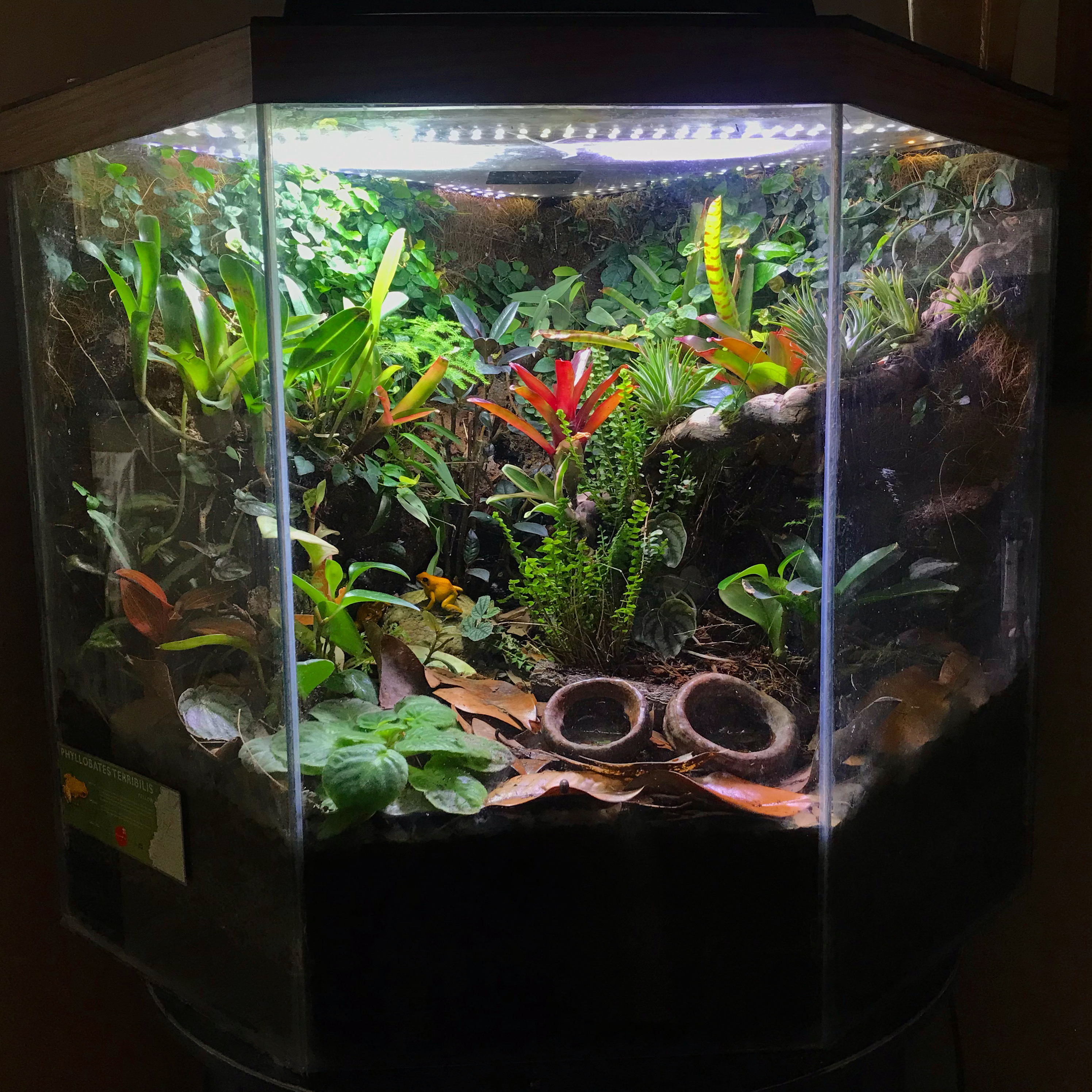
At its core, herpetoculture involves replicating an animal's natural habitat within an enclosed environment, known as a terrarium or vivarium. This requires meticulous attention to detail regarding temperature, humidity, lighting (including UVB for many species), substrate, and diet. For instance, a crested gecko requires a humid, arboreal setup with climbing branches and a diet of specialized fruit-based mashes, while a ball python needs a warmer, drier environment with a secure hide and a diet of appropriately sized rodents. Successful herpetoculture relies on understanding the specific biological needs of each species, often involving specialized heating elements, misters, and carefully formulated food sources. The goal is to provide an environment that promotes the health, well-being, and reproductive success of the captive animals, moving beyond mere survival to thriving.
📊 Key Facts & Numbers
The global herpetoculture market is substantial. The captive-bred reptile market now accounts for a significant portion of all reptiles sold, a shift from the past when wild-caught animals dominated. Furthermore, the amphibian trade is also significant, with species like the axolotl experiencing surges in popularity, with some specialized breeding facilities producing thousands of individuals per year.
👥 Key People & Organizations
Several key figures and organizations have shaped modern herpetoculture. Raymond Ditmars was an early luminary. Organizations such as the United States Herpetological Society (USHS) and the Reptile Keepers Association (RKA) serve as crucial hubs for information exchange, advocacy, and community building. Major commercial breeding operations have become household names within the hobby, driving innovation in morph development and large-scale production. The Reptile Discovery Show circuit, with events held across the country, acts as a vital marketplace and networking event for breeders and enthusiasts alike.
🌍 Cultural Impact & Influence
Herpetoculture's influence extends far beyond the confines of hobbyist forums and pet stores. It has fostered a greater public appreciation for reptiles and amphibians, often challenging long-held negative stereotypes. Documentaries and popular media often feature captive-bred 'herps', influencing public perception and even inspiring careers in zoology and conservation. The aesthetic appeal of certain species and morphs has also found its way into art and design, showcasing the broader cultural resonance of these animals.
⚡ Current State & Latest Developments
The current landscape of herpetoculture is marked by rapid innovation and increasing professionalization. Advanced captive breeding techniques are becoming more sophisticated. The rise of online communities and e-commerce platforms like MorphMarket has revolutionized how breeders connect with buyers, facilitating global trade in exotic reptiles. There's a growing emphasis on species-specific welfare standards, with many hobbyists and professionals advocating for more naturalistic enclosures and diets. The development of specialized veterinary care for reptiles and amphibians, often referred to as 'exotic' or 'reptile' veterinary medicine, is also advancing, with more veterinarians receiving training in herpetological health. The integration of technology, such as smart thermostats and automated misting systems, is further enhancing the ability to precisely control captive environments.
🤔 Controversies & Debates
Significant controversies persist within herpetoculture. The ethics of keeping certain species, particularly those with complex social needs or demanding environmental requirements, remain a point of contention. The potential for invasive species introductions through escaped or intentionally released pets is a persistent concern, with the green iguana becoming problematic in some regions as an invasive species. The debate over wild-caught versus captive-bred animals continues, with arguments concerning sustainability, animal welfare, and the economic impact on developing nations that rely on wildlife trade. Furthermore, the legality of owning certain species varies widely by jurisdiction, leading to complex regulatory landscapes and occasional crackdowns on private collections. The trade in venomous reptiles, while a niche within herpetoculture, also raises safety concerns and ethical questions about public risk.
🔮 Future Outlook & Predictions
The future of herpetoculture appears poised for continued growth and evolution, driven by technological advancements and a deepening understanding of animal welfare. Expect further refinement in genetic selection, potentially leading to entirely new morphs and species being bred in captivity. The integration of AI and machine learning in environmental control systems could offer unprecedented precision in replicating natural habitats. Conservation breeding programs are likely to become even more crucial, with herpetoculture playing a vital role in preventing extinctions. However, increased regulation and public scrutiny regarding animal welfare and environmental impact are also probable. The industry may see a greater divide between highly specialized, ethical breeders and mass-market operations, with consumers increasingly seeking transparency and verifiable ethical sourcing. The potential for novel applications, such as using reptile physiology to inform biomimicry in engineering, also looms.
💡 Practical Applications
Herpetoculture's practical applications are diverse and impactful. Foremost is its role in conservation, where captive breeding programs serve as a vital safety net for species facing extinction in the wild, such as the critically endangered ploughshare tortoise. It also provides a sustainable source of animals for scientific research, reducing the need for wild collection and offering controlled subjects for physiological and behavioral studies. For the pet industry, it generates significant economic activity through breeding, sales, and the provision of specialized equipment and veterinary services. Beyond these, the study of reptile and amphibian physiology and behavior in captivity has yielded insights applicable to fields like biomimicry, with
Key Facts
- Category
- culture
- Type
- topic