
Contents
- 🎵 Origins & History
- ⚙️ How It Works
- 📊 Key Facts & Numbers
- 👥 Key People & Organizations
- 🌍 Cultural Impact & Influence
- ⚡ Current State & Latest Developments
- 🤔 Controversies & Debates
- 🔮 Future Outlook & Predictions
- 💡 Practical Applications
- 📚 Related Topics & Deeper Reading
- Frequently Asked Questions
- Related Topics
Overview
The story of hairspray as a cultural touchstone began not with a chemical compound, but with a film. John Waters, the self-proclaimed 'Pope of Trash,' unleashed his vision of 1962 Baltimore onto the world in his 1988 film Hairspray. This original cinematic work, starring Ricki Lake as the optimistic Tracy Turnblad and Divine as her formidable mother Edna, was a vibrant, if somewhat niche, exploration of racial integration and teenage dreams set against a backdrop of beehive hairdos and sock hops. Waters's signature blend of camp and social commentary laid the groundwork for what would become a mainstream phenomenon. The film’s unique vibe and compelling narrative were later adapted by the powerhouse duo Marc Shaiman and Scott Wittman, who, along with book writers Mark O'Donnell and Thomas Meehan, transformed it into the Tony Award-winning Broadway musical that debuted in 2002, injecting it with a score that masterfully evoked the era's doo-wop and R&B sounds.
⚙️ How It Works
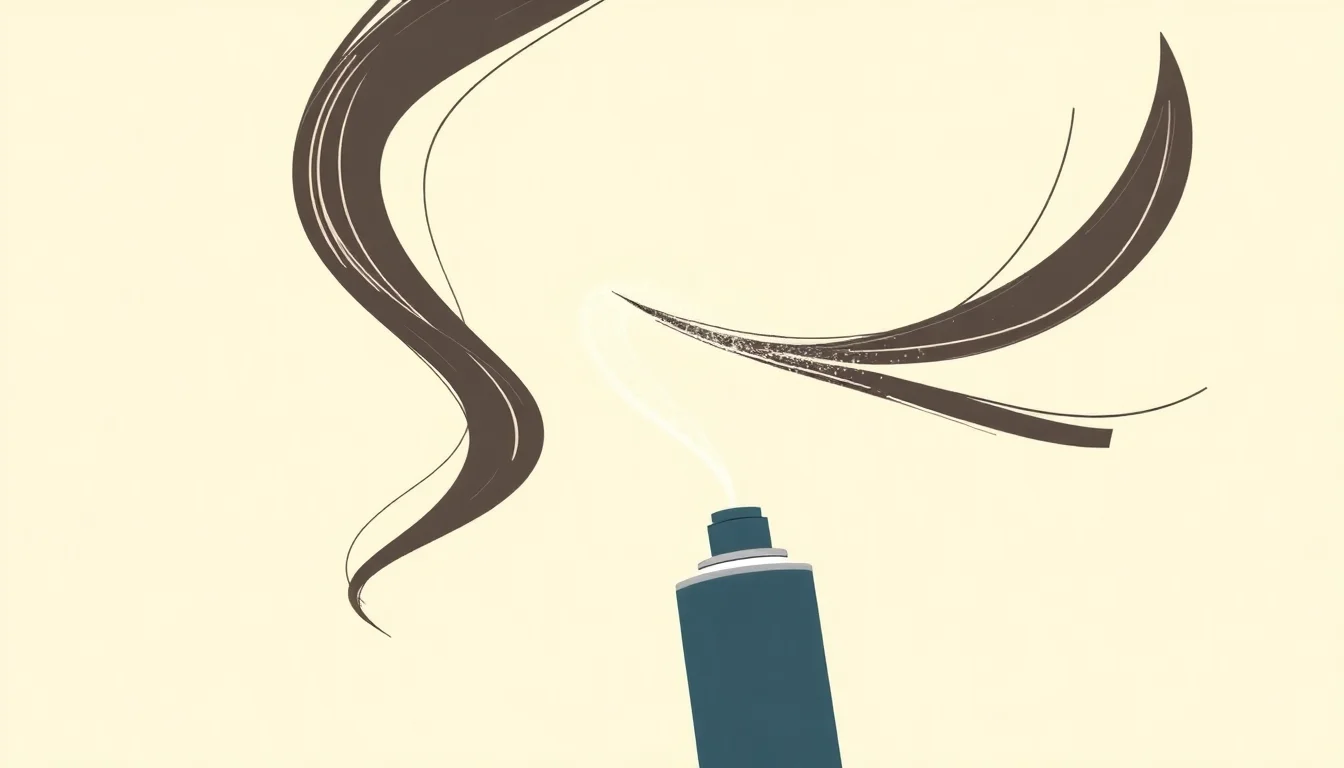
While the narrative of Hairspray is the dominant cultural association, the term 'hairspray' itself refers to a common aerosolized cosmetic product designed to hold hair in place. Its efficacy stems from a formulation of polymers, solvents, and propellants. When sprayed, the solvents evaporate, leaving behind a film of polymers that solidify, creating a rigid structure that resists movement. Early formulations, developed in the 1940s and popularized by brands like Breck and Godfrey Periwinkle's aerosol innovations, often used chlorofluorocarbons (CFCs) as propellants. However, due to environmental concerns, these were phased out in the late 1970s and early 1980s, replaced by hydrocarbons like propane and butane, and later by compressed gases. The 'hold' of hairspray is typically categorized by numbers on the can, ranging from light to extra-firm, allowing users to achieve styles from subtle shaping to the extreme volumes seen in the musical's aesthetic.
📊 Key Facts & Numbers
The Broadway musical Hairspray achieved remarkable commercial and critical success. It ran for 2,642 performances on Broadway, closing on January 4, 2009, after a six-year engagement. The production garnered 13 Tony Award nominations, winning eight, including Best Musical, Best Original Score for Shaiman and Wittman, and Best Performance by a Leading Actor in a Musical for Harvey Fierstein's portrayal of Edna Turnblad. The 2007 film adaptation, directed by Adam Shankman and starring Nikki Blonsky as Tracy and John Travolta as Edna, grossed over $200 million worldwide against a $75 million budget. National tours and international productions have further cemented its global reach, with the West End production alone running for over 1,000 performances.
👥 Key People & Organizations
The creative forces behind the Hairspray phenomenon are numerous. John Waters, the original filmmaker, is a pivotal figure whose unique vision sparked the entire franchise. Marc Shaiman and Scott Wittman are the musical architects, crafting the show's iconic songs and lyrics. Mark O'Donnell and Thomas Meehan penned the witty book for the stage musical. On Broadway, producers Margo Lion, Vince Pascale, and The Shubert Organization were instrumental in bringing the show to life. For the 2007 film, director Adam Shankman guided the adaptation, with notable performances from John Travolta, Michelle Pfeiffer, and Queen Latifah. The original 1988 film's cast, including Divine and Ricki Lake, also holds significant importance in the franchise's lineage.
🌍 Cultural Impact & Influence
The cultural impact of Hairspray extends far beyond its box office numbers. The musical and film have become beloved touchstones for their optimistic portrayal of social change and their celebration of individuality. The iconic hairstyles, particularly Tracy Turnblad's voluminous coiffure, have become synonymous with the 1960s aesthetic and continue to inspire fashion trends. The narrative’s focus on racial integration on television, specifically through the fictional 'Corny Collins Show,' resonates with historical struggles for civil rights, offering a feel-good, albeit simplified, narrative of progress. The show's infectious energy and catchy tunes have made it a popular choice for school and community theater productions, introducing its themes to new generations and fostering a sense of shared cultural experience.
⚡ Current State & Latest Developments
In recent years, the Hairspray franchise has seen continued activity. A live television adaptation, Hairspray Live!, aired on NBC in December 2016, starring Maddie Ziegler as Velma Von Tussle and Jennifer Hudson as Motormouth Maybelle, reaching an audience of over 9 million viewers. A sequel to the 2007 film, titled Hairspray 2: White Noise, was reportedly in development for years, though its status remains uncertain. Meanwhile, the original musical continues to be revived by regional theaters and touring companies worldwide, demonstrating its enduring appeal. The core product, hairspray, also continues to evolve, with brands like Got2b and TRESemmé innovating with new formulas for flexible hold, volume, and heat protection, reflecting ongoing consumer demand for styling versatility.
🤔 Controversies & Debates
Despite its overwhelmingly positive reception, Hairspray has not been without its controversies. Critics have debated the musical's historical accuracy, arguing that it sanitizes the complexities and harsh realities of the Civil Rights Movement in Baltimore during the 1960s. Some historians and activists contend that the narrative oversimplifies the struggle for integration, presenting a too-tidy resolution that downplays the systemic racism and violence of the era. The casting of John Travolta, a cisgender man, as Edna Turnblad, a role originated by the gender-nonconforming actor Divine and later played by Harvey Fierstein and Paul Vogel on Broadway, also sparked discussion about representation and the casting of cisgender actors in drag roles. Furthermore, the very product, hairspray, has faced scrutiny over its environmental impact, particularly concerning CFCs in older formulations and volatile organic compounds (VOCs) in modern ones.
🔮 Future Outlook & Predictions
The future of the Hairspray franchise appears poised for continued relevance, though perhaps with evolving interpretations. The potential for a Hairspray 2 film, while stalled, suggests a lingering interest in expanding the narrative universe. More likely is the continued success of stage revivals and new productions, which may increasingly grapple with the historical context of the Civil Rights Movement, potentially leading to more nuanced portrayals or thematic explorations. The product itself will undoubtedly continue to evolve, driven by advancements in cosmetic chemistry and a growing consumer demand for sustainable and health-conscious beauty products. We might see further integration of natural ingredients and eco-friendly packaging in hairspray formulations, aligning with broader trends in the beauty industry. The core aesthetic of voluminous hair, however, remains a cyclical element in fashion, ensuring that the visual language of Hairspray will continue to resurface.
💡 Practical Applications
The practical applications of 'hairspray' as a product are vast and varied, extending beyond mere cosmetic styling. In the realm of performance, particularly in theater and film productions like Hairspray itself, it's indispensable for creating and maintaining elaborate hairstyles that must withstand hours of performance and stage lighting. Cosmetologists and barbers rely on a range of hairspray products, from light-hold sprays for natural finishes to extra-firm sprays for avant-garde creations. Beyond hair, some artists have experimented with using hairspray as a fixative for chalk drawings or charcoal sketches, though its long-term archival stability is questionable. In DIY contexts, it's sometimes used as a temporary adhesive or sealant for crafts, though specialized products are generally recommended for durability and safety. The specific formulations of hairspray, with their polymer bases, also inform research into other areas requiring flexible, temporary binding agents.
Key Facts
- Year
- 1988 (film) / 2002 (musical)
- Origin
- United States
- Category
- culture
- Type
- concept
Frequently Asked Questions
What is the main story of the musical *Hairspray*?
The musical Hairspray tells the story of Tracy Turnblad, a spirited teenage girl in 1962 Baltimore who dreams of dancing on 'The Corny Collins Show.' Her journey becomes a catalyst for social change as she campaigns to integrate the show, challenging racial segregation and promoting acceptance. The narrative is infused with catchy songs, vibrant costumes, and a message of optimism and empowerment, making it a beloved theatrical experience.
Why is *Hairspray* considered historically significant?
Hairspray is significant for its accessible portrayal of the Civil Rights Movement's push for integration, particularly within the context of popular media like television dance shows. While fictionalized, it brings themes of racial equality and social justice to a broad audience, sparking conversations about the past and its relevance today. The musical's success also highlights the power of art to address complex social issues with both humor and heart, demonstrating how entertainment can be a vehicle for cultural commentary and change.
What are the key differences between the original film and the musical?
The original 1988 film by John Waters is known for its rawer, more overtly campy style and its cult following. The Broadway musical, while based on the film, adapts the story with a more polished, mainstream appeal, featuring a score by Marc Shaiman and Scott Wittman that captures the essence of 1960s music. The musical also streamlines some plot elements and emphasizes the integration narrative more explicitly, leading to its broader commercial success and critical acclaim, including eight Tony Awards. The 2007 film adaptation further cemented this mainstream interpretation.
What is the controversy surrounding the historical accuracy of *Hairspray*?
The primary controversy surrounding Hairspray is its perceived sanitization of the Civil Rights Movement. Critics argue that the musical and film present an overly optimistic and simplified view of racial integration, downplaying the intense struggles, violence, and systemic racism that characterized the era in Baltimore. While the narrative aims for a feel-good message, some historians and activists believe it glosses over the harsh realities faced by African Americans during the 1960s, potentially offering a less challenging or complete historical perspective.
How has the product 'hairspray' evolved over time?
Hairspray, the product, has undergone significant evolution since its popularization in the mid-20th century. Early formulations often contained CFCs as propellants, which were later phased out due to environmental damage. Modern hairsprays utilize hydrocarbon propellants or compressed gases and feature advanced polymer technology to offer varying degrees of hold, from light to extra-firm, along with benefits like humidity resistance and heat protection. Brands like Pantene and L'Oréal Paris continuously innovate, focusing on lighter formulas, natural ingredients, and sustainable packaging to meet evolving consumer demands.
Where can I see *Hairspray* performed today?
Hairspray remains a popular choice for theatrical productions worldwide. You can often find performances by local community theaters, regional playhouses, and professional touring companies. Checking the websites of major theater districts like Broadway or the West End, as well as local theater listings, is the best way to discover current and upcoming productions. The show's enduring appeal ensures it is frequently revived, making it accessible to audiences across the globe.
What is the future outlook for the *Hairspray* franchise?
The future of Hairspray likely lies in continued stage revivals and potential new interpretations that may address its historical context more directly. While a sequel film has been discussed, its realization is uncertain. The franchise's core themes of acceptance and social progress, combined with its infectious music, ensure its lasting appeal. Furthermore, the product 'hairspray' will continue to evolve with advancements in cosmetic science, focusing on performance, health, and environmental sustainability, reflecting broader trends in the beauty industry.