
Contents
- 🔒 Introduction to GPS Signal Authentication Protocols
- 📡 How GPS Signal Authentication Protocols Work
- 🚀 History of GPS Signal Authentication Protocols
- 🔍 Types of GPS Signal Authentication Protocols
- 📊 Advantages and Disadvantages of GPS Signal Authentication Protocols
- 🚫 Vulnerabilities in GPS Signal Authentication Protocols
- 🔧 Implementing GPS Signal Authentication Protocols
- 📈 Future of GPS Signal Authentication Protocols
- 🤝 Real-World Applications of GPS Signal Authentication Protocols
- 📊 Case Studies of GPS Signal Authentication Protocols
- 📝 Conclusion and Recommendations
- Frequently Asked Questions
- Related Topics
Overview
GPS signal authentication protocols are crucial in preventing spoofing attacks, which can compromise the integrity of navigation systems. The GPS system, developed by the US Department of Defense in the 1970s, has become a critical component of modern infrastructure, with applications in aviation, maritime, and land transportation. However, the lack of authentication in GPS signals makes them vulnerable to spoofing, where an attacker transmits fake GPS signals to deceive receivers. To address this issue, researchers have proposed various authentication protocols, including the use of digital signatures and watermarking techniques. For instance, the GPS Navigation Data Authentication (NDA) protocol, developed by the US Air Force, uses a digital signature scheme to verify the authenticity of GPS signals. With the increasing reliance on GPS technology, the development of robust authentication protocols is essential to ensure the security and reliability of navigation systems. As the number of GPS-dependent devices grows, with over 1 billion GPS-enabled devices in use worldwide, the potential impact of a spoofing attack is significant, with estimated losses in the billions of dollars.
🔒 Introduction to GPS Signal Authentication Protocols
The use of GPS signal authentication protocols has become increasingly important in the field of Cybersecurity as the reliance on GPS technology grows. GPS signal authentication protocols are designed to prevent GPS Spoofing attacks, which can have serious consequences in various industries such as Aviation and Maritime. The development of these protocols is a response to the growing threat of Cyber Attacks on GPS systems. For instance, the US Department of Defense has been working on implementing GPS signal authentication protocols to protect its Military Communications systems. Additionally, companies like Garmin and TomTom are also investing in the development of GPS signal authentication protocols to secure their GPS Navigation systems.
📡 How GPS Signal Authentication Protocols Work
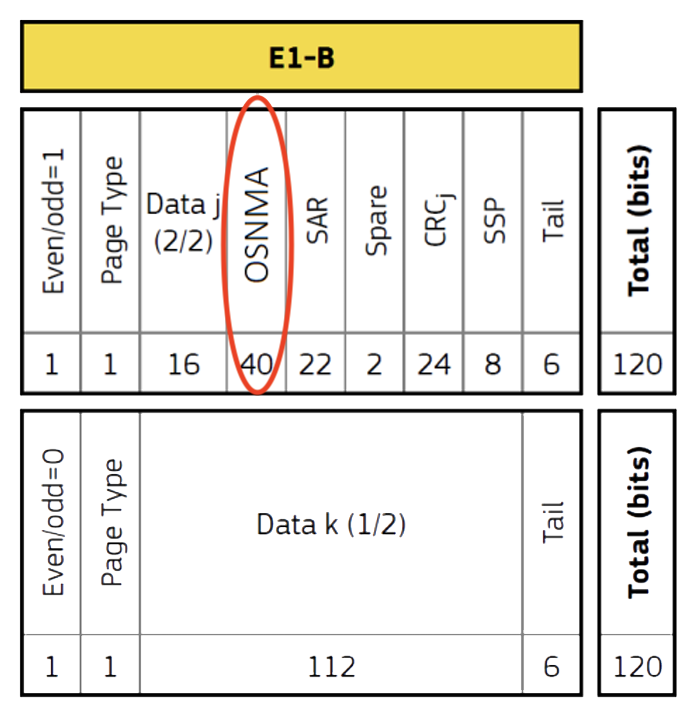
GPS signal authentication protocols work by verifying the authenticity of GPS signals received by a device. This is typically done using Encryption and Digital Signatures. The process involves the transmission of a signed message from the GPS satellite to the receiver, which then verifies the signature to ensure that the message has not been tampered with. This provides an additional layer of security against GPS Spoofing attacks. The GPS Signal Structure is also an important aspect of GPS signal authentication protocols, as it defines the format of the GPS signal and how it is transmitted. Furthermore, the use of Public Key Cryptography in GPS signal authentication protocols provides a secure way to authenticate the identity of the GPS satellite and prevent Man-in-the-Middle Attacks.
🚀 History of GPS Signal Authentication Protocols
The history of GPS signal authentication protocols dates back to the early 2000s, when the first GPS signal authentication protocols were developed. These early protocols were based on Symmetric Key Cryptography and were designed to provide basic authentication and Integrity of GPS signals. Over the years, the protocols have evolved to include more advanced security features such as Public Key Cryptography and Digital Signatures. The development of GPS signal authentication protocols has been driven by the growing need for secure GPS systems in various industries, including Aviation, Maritime, and Finance. For example, the International Civil Aviation Organization has developed guidelines for the implementation of GPS signal authentication protocols in Air Traffic Control systems.
🔍 Types of GPS Signal Authentication Protocols
There are several types of GPS signal authentication protocols, including GPS SA and GPS PPA. GPS SA is a type of protocol that uses Symmetric Key Cryptography to authenticate GPS signals, while GPS PPA uses Public Key Cryptography. The choice of protocol depends on the specific application and the level of security required. For instance, GPS SA is commonly used in Consumer Electronics, while GPS PPA is used in more secure applications such as Military Communications. Additionally, the use of Hybrid Cryptography in GPS signal authentication protocols provides a balance between security and performance. The National Institute of Standards and Technology has developed guidelines for the selection and implementation of GPS signal authentication protocols.
📊 Advantages and Disadvantages of GPS Signal Authentication Protocols
The advantages of GPS signal authentication protocols include the prevention of GPS Spoofing attacks and the provision of secure GPS signals. However, the implementation of these protocols can also have some disadvantages, such as increased complexity and cost. The use of Public Key Cryptography in GPS signal authentication protocols can also introduce additional computational overhead. Nevertheless, the benefits of GPS signal authentication protocols far outweigh the costs, especially in critical applications such as Aviation and Maritime. For example, the Federal Aviation Administration has estimated that the implementation of GPS signal authentication protocols can reduce the risk of GPS Spoofing attacks by up to 90%. The GPS Industry is also working to develop more efficient and cost-effective GPS signal authentication protocols.
🚫 Vulnerabilities in GPS Signal Authentication Protocols
Despite the benefits of GPS signal authentication protocols, there are still some vulnerabilities that need to be addressed. One of the main vulnerabilities is the potential for Side Channel Attacks, which can compromise the security of the protocol. Additionally, the use of Weak Cryptographic Keys can also undermine the security of the protocol. To mitigate these vulnerabilities, it is essential to use Secure Key Management practices and to regularly update and patch the protocol. The National Security Agency has developed guidelines for the secure implementation of GPS signal authentication protocols. Furthermore, the use of Intrusion Detection Systems can help to detect and prevent Cyber Attacks on GPS systems.
🔧 Implementing GPS Signal Authentication Protocols
The implementation of GPS signal authentication protocols requires careful planning and execution. It is essential to conduct a thorough Risk Assessment to identify potential vulnerabilities and to develop a comprehensive Security Plan. The plan should include the selection of a suitable protocol, the implementation of Secure Key Management practices, and the regular updating and patching of the protocol. Additionally, it is essential to conduct regular Security Audits to ensure the continued security of the protocol. The GPS Alliance has developed guidelines for the implementation of GPS signal authentication protocols in various industries. For example, the Institute of Electrical and Electronics Engineers has developed standards for the implementation of GPS signal authentication protocols in Wireless Communications systems.
📈 Future of GPS Signal Authentication Protocols
The future of GPS signal authentication protocols is likely to be shaped by the growing need for secure GPS systems in various industries. The development of new protocols and the improvement of existing ones will be driven by the need for more secure and efficient GPS systems. The use of Artificial Intelligence and Machine Learning in GPS signal authentication protocols is also expected to play a significant role in the future. For instance, the use of AI-Powered Intrusion Detection Systems can help to detect and prevent Cyber Attacks on GPS systems. The GPS Industry is also working to develop more secure and efficient GPS signal authentication protocols, such as the use of Quantum Cryptography.
🤝 Real-World Applications of GPS Signal Authentication Protocols
GPS signal authentication protocols have a wide range of real-world applications, including Aviation, Maritime, and Finance. In Aviation, GPS signal authentication protocols are used to prevent GPS Spoofing attacks, which can have serious consequences for air traffic control and navigation. In Maritime, GPS signal authentication protocols are used to secure GPS signals used for navigation and tracking. In Finance, GPS signal authentication protocols are used to secure GPS signals used for High Frequency Trading. The International Maritime Organization has developed guidelines for the implementation of GPS signal authentication protocols in Maritime Communications systems.
📊 Case Studies of GPS Signal Authentication Protocols
There have been several case studies of GPS signal authentication protocols in various industries. For example, the US Department of Defense has conducted a case study on the implementation of GPS signal authentication protocols in Military Communications systems. The study found that the implementation of GPS signal authentication protocols can significantly reduce the risk of GPS Spoofing attacks. Another case study by the Federal Aviation Administration found that the implementation of GPS signal authentication protocols can improve the security and reliability of GPS systems used in Air Traffic Control. The GPS Alliance has also conducted case studies on the implementation of GPS signal authentication protocols in various industries.
📝 Conclusion and Recommendations
In conclusion, GPS signal authentication protocols are an essential component of secure GPS systems. The development and implementation of these protocols require careful planning and execution, and it is essential to conduct regular Security Audits to ensure the continued security of the protocol. As the reliance on GPS technology grows, the need for secure GPS signal authentication protocols will become increasingly important. The GPS Industry is working to develop more secure and efficient GPS signal authentication protocols, and the use of Artificial Intelligence and Machine Learning in GPS signal authentication protocols is expected to play a significant role in the future. The National Institute of Standards and Technology has developed guidelines for the selection and implementation of GPS signal authentication protocols.
Key Facts
- Year
- 2022
- Origin
- US Department of Defense
- Category
- Cybersecurity
- Type
- Technology
Frequently Asked Questions
What is GPS signal authentication?
GPS signal authentication is the process of verifying the authenticity of GPS signals received by a device. This is typically done using Encryption and Digital Signatures. The use of Public Key Cryptography in GPS signal authentication protocols provides a secure way to authenticate the identity of the GPS satellite and prevent Man-in-the-Middle Attacks.
Why is GPS signal authentication important?
GPS signal authentication is important because it prevents GPS Spoofing attacks, which can have serious consequences in various industries such as Aviation and Maritime. The implementation of GPS signal authentication protocols can significantly reduce the risk of GPS Spoofing attacks and improve the security and reliability of GPS systems.
What are the different types of GPS signal authentication protocols?
There are several types of GPS signal authentication protocols, including GPS SA and GPS PPA. GPS SA is a type of protocol that uses Symmetric Key Cryptography to authenticate GPS signals, while GPS PPA uses Public Key Cryptography. The choice of protocol depends on the specific application and the level of security required.
How are GPS signal authentication protocols implemented?
The implementation of GPS signal authentication protocols requires careful planning and execution. It is essential to conduct a thorough Risk Assessment to identify potential vulnerabilities and to develop a comprehensive Security Plan. The plan should include the selection of a suitable protocol, the implementation of Secure Key Management practices, and the regular updating and patching of the protocol.
What are the benefits of GPS signal authentication protocols?
The benefits of GPS signal authentication protocols include the prevention of GPS Spoofing attacks and the provision of secure GPS signals. The implementation of GPS signal authentication protocols can significantly reduce the risk of GPS Spoofing attacks and improve the security and reliability of GPS systems. The use of Public Key Cryptography in GPS signal authentication protocols provides a secure way to authenticate the identity of the GPS satellite and prevent Man-in-the-Middle Attacks.
What are the challenges of implementing GPS signal authentication protocols?
The challenges of implementing GPS signal authentication protocols include the potential for Side Channel Attacks and the use of Weak Cryptographic Keys. To mitigate these vulnerabilities, it is essential to use Secure Key Management practices and to regularly update and patch the protocol. The National Security Agency has developed guidelines for the secure implementation of GPS signal authentication protocols.
What is the future of GPS signal authentication protocols?
The future of GPS signal authentication protocols is likely to be shaped by the growing need for secure GPS systems in various industries. The development of new protocols and the improvement of existing ones will be driven by the need for more secure and efficient GPS systems. The use of Artificial Intelligence and Machine Learning in GPS signal authentication protocols is expected to play a significant role in the future.