
Contents
Overview
Air Traffic Control (ATC) is the critical, ground-based service that orchestrates the movement of aircraft, both on the ground and within designated airspace. Its paramount mission is collision avoidance, ensuring a safe buffer zone between every airborne vehicle. Beyond safety, ATC optimizes flight paths, expedites air traffic flow, and provides vital information to pilots, acting as the central nervous system of aviation. This complex system relies on sophisticated radar technology, precise communication protocols, and highly trained controllers who manage thousands of flights daily across the globe. From the moment a plane taxis to its final approach, ATC is the unseen guardian, a testament to human ingenuity in managing high-stakes, high-speed operations. The system's efficiency and safety are directly linked to technological advancements and the rigorous training of its personnel, making it a cornerstone of modern air travel.
🎵 Origins & History
The genesis of air traffic control can be traced back to the nascent days of aviation, a chaotic era where pilots navigated by sight and instinct. Key figures like Elrey Jeppesen, who developed standardized navigational charts, and the development of radar technology during World War II, significantly advanced ATC capabilities. By the mid-20th century, ATC had evolved from simple visual cues and radio calls to a sophisticated, radar-driven system essential for the burgeoning commercial airline industry, with organizations like the International Civil Aviation Organization (ICAO) emerging to standardize global practices.
⚙️ How It Works
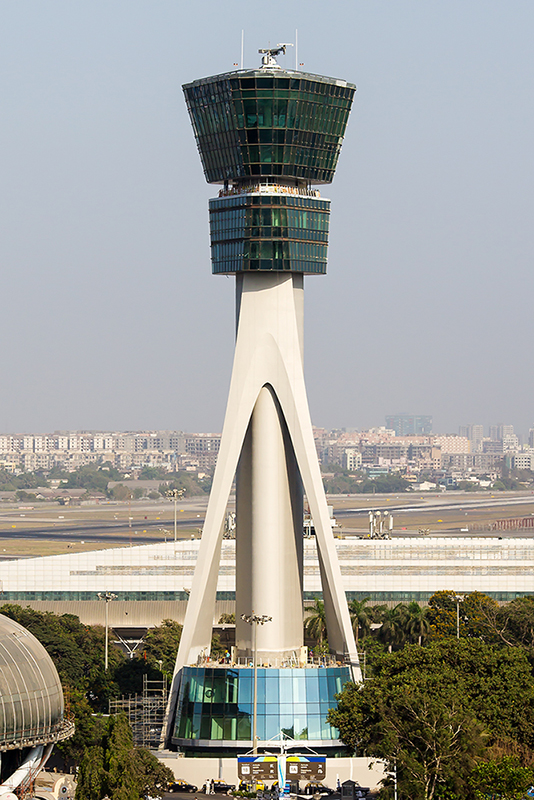
At its core, air traffic control functions through a layered system of surveillance, communication, and command. Controllers, stationed in control towers or remote centers, utilize radar systems (both primary and secondary surveillance radar) to track aircraft positions, altitudes, and speeds. They maintain constant radio communication with pilots, issuing clearances and instructions to ensure safe separation distances, typically measured in nautical miles horizontally and feet vertically. This separation is crucial for preventing collisions, especially in busy terminal areas and en route airspace. Different classes of airspace and types of flights dictate the level of control, ranging from mandatory instructions in controlled airspace to advisory services in less regulated zones. The process involves complex flight plan management, weather advisement, and coordination between different ATC sectors and facilities, such as Air Route Traffic Control Centers (ARTCCs) and airport traffic control towers.
📊 Key Facts & Numbers
The scale of global air traffic control is staggering, managing an estimated 100,000 flights daily worldwide. In the United States alone, the Federal Aviation Administration (FAA) oversees operations for over 5.4 million flights annually, processed by approximately 14,000 air traffic controllers. These controllers manage vast volumes of data, with radar systems capable of tracking hundreds of aircraft simultaneously. The cost of maintaining these sophisticated ATC systems runs into billions of dollars globally, with the FAA's Next Generation Air Transportation System (NextGen) initiative alone representing a multi-decade, multi-billion dollar investment. Globally, air traffic management is projected to handle over 40 million flights per year by 2030, underscoring the immense responsibility and capacity required.
👥 Key People & Organizations
Numerous individuals and organizations have shaped the evolution and operation of air traffic control. The Federal Aviation Administration (FAA) in the U.S. and Eurocontrol in Europe are primary regulatory and operational bodies, responsible for managing airspace and training controllers. Key figures in the development of radar and navigation systems, such as Sir Robert Watson-Watt (credited with the development of radar), played pivotal roles. Professional organizations like the National Air Traffic Controllers Association (NATCA) advocate for controllers' rights and safety. The International Civil Aviation Organization (ICAO) sets global standards, ensuring interoperability between national ATC systems. The tireless work of thousands of individual air traffic controllers worldwide, often under immense pressure, is the human element that makes the system function.
🌍 Cultural Impact & Influence
Air traffic control has profoundly influenced global culture and perception, often appearing in films and literature as a symbol of technological prowess and high-stakes human drama. Movies like 'Pushing Tin' (1999) and 'Sully' (2016) have brought the intense world of ATC to the public eye, highlighting both the technical challenges and the human element involved. The concept of 'controlled airspace' has become a metaphor for regulated environments, while the phrase 'air traffic control' itself is sometimes used colloquially to describe managing complex situations. The safety record of commercial aviation, largely attributable to robust ATC, has fostered a sense of trust in air travel, making it a common and accessible mode of transport for millions, a stark contrast to the dangers of early aviation.
⚡ Current State & Latest Developments
The current landscape of air traffic control is characterized by a massive push towards modernization, primarily driven by the Federal Aviation Administration's Next Generation Air Transportation System (NextGen) in the U.S. and similar initiatives like SESAR (Single European Sky ATM Research) in Europe. These programs aim to transition from radar-based systems to satellite-based Automatic Dependent Surveillance-Broadcast (ADS-B) technology, enabling more precise aircraft tracking and optimized flight paths. The integration of artificial intelligence and machine learning is also a significant development, with AI being explored for predictive capabilities, conflict detection, and workload management for controllers. The ongoing challenge remains the seamless integration of these new technologies with legacy systems and the continuous training of controllers to adapt to these evolving tools.
🤔 Controversies & Debates
Despite its remarkable safety record, air traffic control is not without its controversies and debates. One persistent issue is the potential for controller fatigue and burnout, given the demanding nature of the job and the critical responsibility involved. The implementation of new technologies like NextGen and SESAR has also faced criticism regarding cost overruns, delays, and the effectiveness of their integration. Furthermore, the balance between mandatory instructions and pilot advisories, particularly in non-controlled airspace, remains a point of discussion, with ongoing debates about the extent of ATC's responsibility. The increasing volume of drone traffic also presents a significant challenge, requiring new regulatory frameworks and integration strategies into existing ATC systems, a topic hotly debated by aviation authorities and industry stakeholders.
🔮 Future Outlook & Predictions
The future of air traffic control is poised for a significant transformation, driven by advancements in automation, AI, and satellite technology. The widespread adoption of ADS-B will continue to enhance surveillance capabilities, allowing for more efficient airspace utilization and reduced separation minima. Artificial intelligence is expected to play an increasingly prominent role, assisting controllers with complex decision-making, traffic prediction, and anomaly detection, potentially leading to fully automated air traffic management systems in the long term. The integration of unmanned aerial vehicles (UAVs), including delivery drones and urban air mobility (UAM) vehicles, into controlled airspace is a major focus, requiring entirely new traffic management paradigms. Experts predict that by 2040, AI will be a standard tool for controllers, and autonomous flight management systems will be commonplace, fundamentally reshaping how air traffic is managed.
💡 Practical Applications
Air traffic control has direct practical applications across the entire aviation industry. Its primary function is ensuring the safety of commercial passenger flights, cargo operations, and military aviation. Beyond collision avoidance, ATC provides essential services like flight planning, weather advisories, and emergency assistance to pilots. In airport environments, ATC manages ground movements, including taxiing aircraft, ground vehicles, and emergency services, ensuring safe operations on runways and taxiways
Key Facts
- Category
- technology
- Type
- topic