
Contents
- 📚 Introduction to the Brothers Grimm
- 🏰 Early Life and Education
- 📖 The First Collection of Folk Tales
- 👑 The Dark Side of Fairy Tales
- 📝 The Impact of the Brothers Grimm on Literature
- 🌎 Cultural Significance and Legacy
- 📊 The Most Popular Fairy Tales
- 👫 The Brothers' Collaboration and Conflict
- 📚 The Historical Context of the Fairy Tales
- 👑 The Enduring Popularity of the Brothers Grimm
- 📝 The Criticisms and Controversies Surrounding the Brothers Grimm
- 🌎 The Global Influence of the Brothers Grimm
- Frequently Asked Questions
- Related Topics
Overview
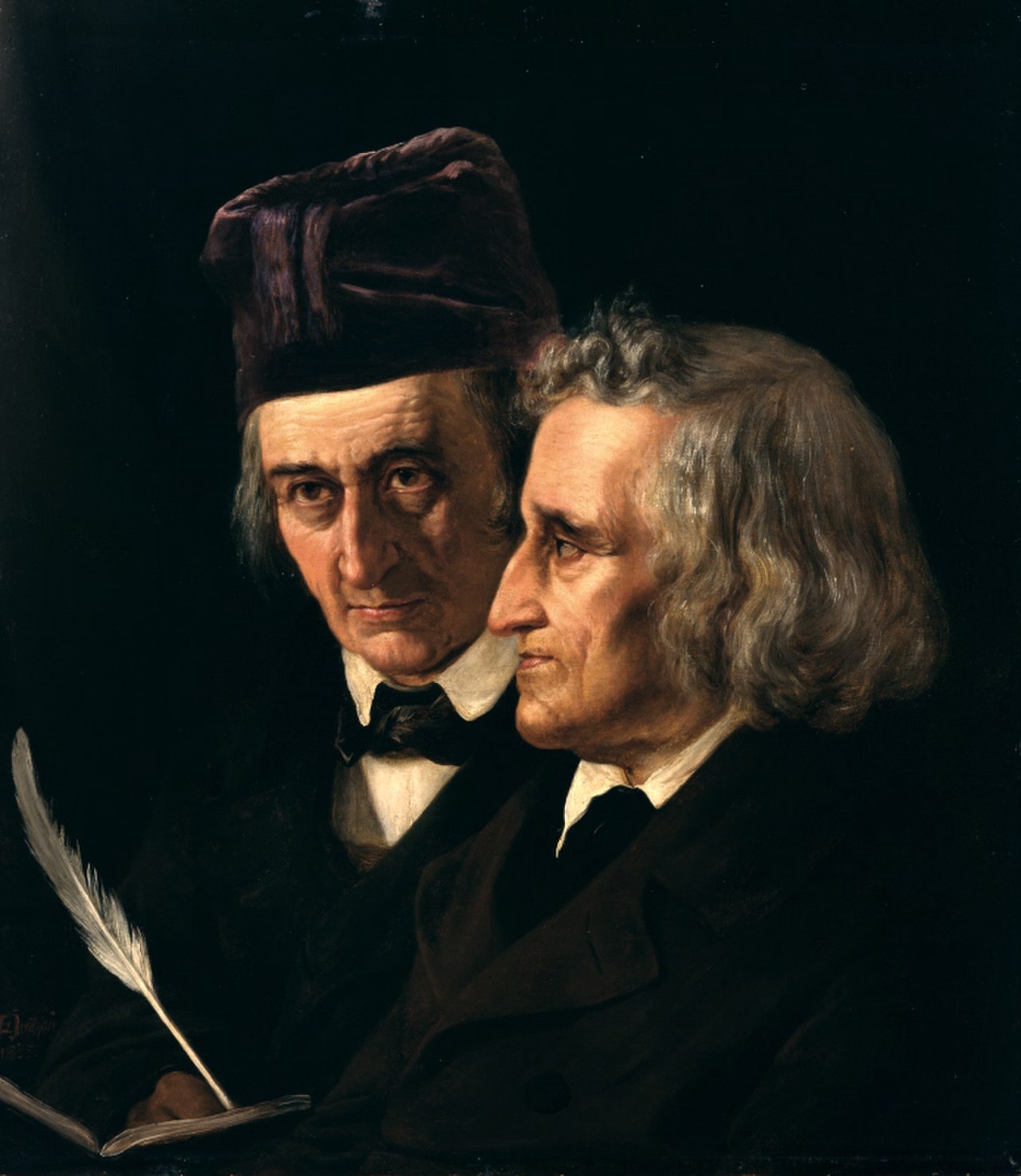
The Brothers Grimm, Jacob Grimm and Wilhelm Grimm, were German academics, linguists, cultural researchers, and authors who are best known for their collection of folk tales, Children's and Household Tales. Their work in folklore, linguistics, and literary scholarship shaped the development of modern folkloristics and the study of the German language. The Brothers Grimm were born in Hanau and raised in Steinau, where they developed a lasting interest in medieval literature and German cultural history. They were educated in Kassel and at the University of Marburg, where they honed their skills in linguistics and literary analysis. The Brothers Grimm are among the best-known storytellers of European folktales, and their work popularized such stories as Cinderella, The Frog Prince, and Hansel and Gretel.
🏰 Early Life and Education
The Brothers Grimm were born in Hanau, a small town in Germany, in the late 18th century. Jacob Grimm was born in 1785, and Wilhelm Grimm was born in 1786. They were raised in Steinau, where their father, Philipp Grimm, was a lawyer. The Brothers Grimm were educated in Kassel and at the University of Marburg, where they developed a strong foundation in linguistics, literature, and history. They were particularly interested in medieval literature and German cultural history, which would later influence their collection of folk tales. The Brothers Grimm were also influenced by the works of Johann Wolfgang von Goethe and Friedrich Schiller, who were prominent figures in German literature at the time.
📖 The First Collection of Folk Tales
The first collection of folk tales, Children's and Household Tales, was published in 1812. This collection included stories such as Cinderella, The Frog Prince, and Hansel and Gretel, which have become staples of children's literature. The Brothers Grimm traveled throughout Germany, collecting stories from peasants, villagers, and other common people. They believed that these stories reflected the cultural heritage of Germany and were an important part of the country's history. The Brothers Grimm also included notes and commentary on the stories, which provided context and insight into the cultural and historical significance of the tales. The collection was a huge success, and it has been translated into many languages and has become a classic of children's literature.
👑 The Dark Side of Fairy Tales
Despite their popularity, the Brothers Grimm's fairy tales have a dark side. Many of the stories feature violent and disturbing themes, such as murder, cannibalism, and abuse. For example, in Cinderella, the stepsisters cut off their toes to fit into the glass slipper, and in Snow White, the evil queen is forced to dance to death in red-hot iron shoes. The Brothers Grimm's stories also often feature themes of poverty, hunger, and hardship, which were common experiences for many people in Germany during the 19th century. The Brothers Grimm's stories were not intended for children, but rather for adults, and they were meant to reflect the harsh realities of life in Germany at the time. The dark side of the Brothers Grimm's fairy tales has been the subject of much debate and controversy over the years, with some critics arguing that the stories are too violent and disturbing for children.
📝 The Impact of the Brothers Grimm on Literature
The Brothers Grimm's work had a significant impact on literature and popular culture. Their collection of folk tales, Children's and Household Tales, has been translated into many languages and has become a classic of children's literature. The Brothers Grimm's stories have also been adapted into countless films, plays, and other forms of media, including Disney's animated films, such as Snow White and Cinderella. The Brothers Grimm's work has also influenced many other authors and writers, including J.R.R. Tolkien and C.S. Lewis, who were inspired by the Brothers Grimm's use of mythology and folklore in their stories. The Brothers Grimm's legacy can be seen in many areas of popular culture, from film and literature to advertising and art.
🌎 Cultural Significance and Legacy
The Brothers Grimm's work has had a significant cultural impact, both in Germany and around the world. Their collection of folk tales, Children's and Household Tales, has become a cultural touchstone, and their stories have been translated into many languages. The Brothers Grimm's stories have also been used in education, with many schools using their tales to teach children about literature, history, and culture. The Brothers Grimm's work has also been the subject of much academic study, with many scholars analyzing their stories for their cultural and historical significance. The Brothers Grimm's legacy can be seen in many areas of German culture, from literature and art to music and film. The Brothers Grimm's stories have also had a significant impact on the development of children's literature, with many authors and illustrators drawing inspiration from their tales.
📊 The Most Popular Fairy Tales
The Brothers Grimm's most popular fairy tales include Cinderella, The Frog Prince, Hansel and Gretel, Rapunzel, and Snow White. These stories have become staples of children's literature and have been translated into many languages. The Brothers Grimm's stories have also been adapted into countless films, plays, and other forms of media, including Disney's animated films. The Brothers Grimm's stories have been beloved by children and adults alike for generations, and their popularity shows no signs of fading. The Brothers Grimm's stories have also been used in education, with many schools using their tales to teach children about literature, history, and culture. The Brothers Grimm's legacy can be seen in many areas of popular culture, from film and literature to advertising and art.
👫 The Brothers' Collaboration and Conflict
The Brothers Grimm worked together to collect and publish their folk tales, but they also had their differences. Jacob Grimm was the more scholarly of the two brothers, and he was responsible for much of the research and editing of the stories. Wilhelm Grimm was more interested in the artistic and literary aspects of the stories, and he was responsible for many of the translations and adaptations. The Brothers Grimm's collaboration was not without its challenges, and they often disagreed on the direction of their work. Despite their differences, the Brothers Grimm remained close throughout their lives, and their partnership resulted in some of the most beloved stories of all time. The Brothers Grimm's collaboration has been the subject of much study and analysis, with many scholars examining their working relationship and its impact on their stories.
📚 The Historical Context of the Fairy Tales
The Brothers Grimm's stories were not written in a vacuum, but rather were influenced by the historical context in which they lived. The Brothers Grimm were born in the late 18th century, a time of great change and upheaval in Europe. The French Revolution had recently taken place, and the Napoleonic Wars were raging across the continent. The Brothers Grimm's stories reflect this tumultuous time, with many of their tales featuring themes of poverty, hunger, and hardship. The Brothers Grimm's stories also reflect the cultural and social norms of their time, with many of their tales featuring patriarchal societies and strict social hierarchies. The Brothers Grimm's stories have been the subject of much historical analysis, with many scholars examining the cultural and historical context in which they were written.
👑 The Enduring Popularity of the Brothers Grimm
The Brothers Grimm's stories have endured for generations, and their popularity shows no signs of fading. The Brothers Grimm's stories have been translated into many languages and have been adapted into countless films, plays, and other forms of media. The Brothers Grimm's legacy can be seen in many areas of popular culture, from film and literature to advertising and art. The Brothers Grimm's stories have also had a significant impact on the development of children's literature, with many authors and illustrators drawing inspiration from their tales. The Brothers Grimm's stories continue to be beloved by children and adults alike, and their timeless themes and characters continue to captivate audiences around the world. The Brothers Grimm's stories have also been the subject of much academic study, with many scholars analyzing their stories for their cultural and historical significance.
📝 The Criticisms and Controversies Surrounding the Brothers Grimm
The Brothers Grimm's work has not been without its criticisms and controversies. Some critics have argued that the Brothers Grimm's stories are too violent and disturbing for children, while others have criticized their portrayal of women and minorities. The Brothers Grimm's stories have also been accused of being overly patriarchal and reflective of the social norms of their time. Despite these criticisms, the Brothers Grimm's stories remain some of the most beloved and enduring tales of all time. The Brothers Grimm's legacy continues to be felt, with their stories remaining a staple of children's literature and popular culture. The Brothers Grimm's stories have also been the subject of much debate and discussion, with many scholars and critics examining their cultural and historical significance.
🌎 The Global Influence of the Brothers Grimm
The Brothers Grimm's influence can be seen in many areas of popular culture, from film and literature to advertising and art. The Brothers Grimm's stories have been adapted into countless films, plays, and other forms of media, including Disney's animated films. The Brothers Grimm's stories have also been used in education, with many schools using their tales to teach children about literature, history, and culture. The Brothers Grimm's legacy can be seen in many areas of German culture, from literature and art to music and film. The Brothers Grimm's stories have also had a significant impact on the development of children's literature, with many authors and illustrators drawing inspiration from their tales. The Brothers Grimm's stories continue to be beloved by children and adults alike, and their timeless themes and characters continue to captivate audiences around the world.
Key Facts
- Year
- 1812
- Origin
- Hanau, Germany
- Category
- Literature
- Type
- Historical Figures
Frequently Asked Questions
Who were the Brothers Grimm?
The Brothers Grimm, Jacob Grimm and Wilhelm Grimm, were German academics, linguists, cultural researchers, and authors who are best known for their collection of folk tales, Children's and Household Tales. They were born in Hanau and raised in Steinau, where they developed a lasting interest in medieval literature and German cultural history. The Brothers Grimm are among the best-known storytellers of European folktales, and their work popularized such stories as Cinderella, The Frog Prince, and Hansel and Gretel.
What is the significance of the Brothers Grimm's work?
The Brothers Grimm's work has had a significant impact on literature and popular culture. Their collection of folk tales, Children's and Household Tales, has been translated into many languages and has become a classic of children's literature. The Brothers Grimm's stories have also been adapted into countless films, plays, and other forms of media, including Disney's animated films. The Brothers Grimm's work has also influenced many other authors and writers, including J.R.R. Tolkien and C.S. Lewis, who were inspired by the Brothers Grimm's use of mythology and folklore in their stories.
What are some of the most popular Brothers Grimm fairy tales?
The Brothers Grimm's most popular fairy tales include Cinderella, The Frog Prince, Hansel and Gretel, Rapunzel, and Snow White. These stories have become staples of children's literature and have been translated into many languages. The Brothers Grimm's stories have also been adapted into countless films, plays, and other forms of media, including Disney's animated films.
What is the historical context of the Brothers Grimm's stories?
The Brothers Grimm's stories were not written in a vacuum, but rather were influenced by the historical context in which they lived. The Brothers Grimm were born in the late 18th century, a time of great change and upheaval in Europe. The French Revolution had recently taken place, and the Napoleonic Wars were raging across the continent. The Brothers Grimm's stories reflect this tumultuous time, with many of their tales featuring themes of poverty, hunger, and hardship.
What is the legacy of the Brothers Grimm?
The Brothers Grimm's legacy can be seen in many areas of popular culture, from film and literature to advertising and art. The Brothers Grimm's stories have been adapted into countless films, plays, and other forms of media, including Disney's animated films. The Brothers Grimm's work has also influenced many other authors and writers, including J.R.R. Tolkien and C.S. Lewis, who were inspired by the Brothers Grimm's use of mythology and folklore in their stories. The Brothers Grimm's stories continue to be beloved by children and adults alike, and their timeless themes and characters continue to captivate audiences around the world.