
Contents
Overview
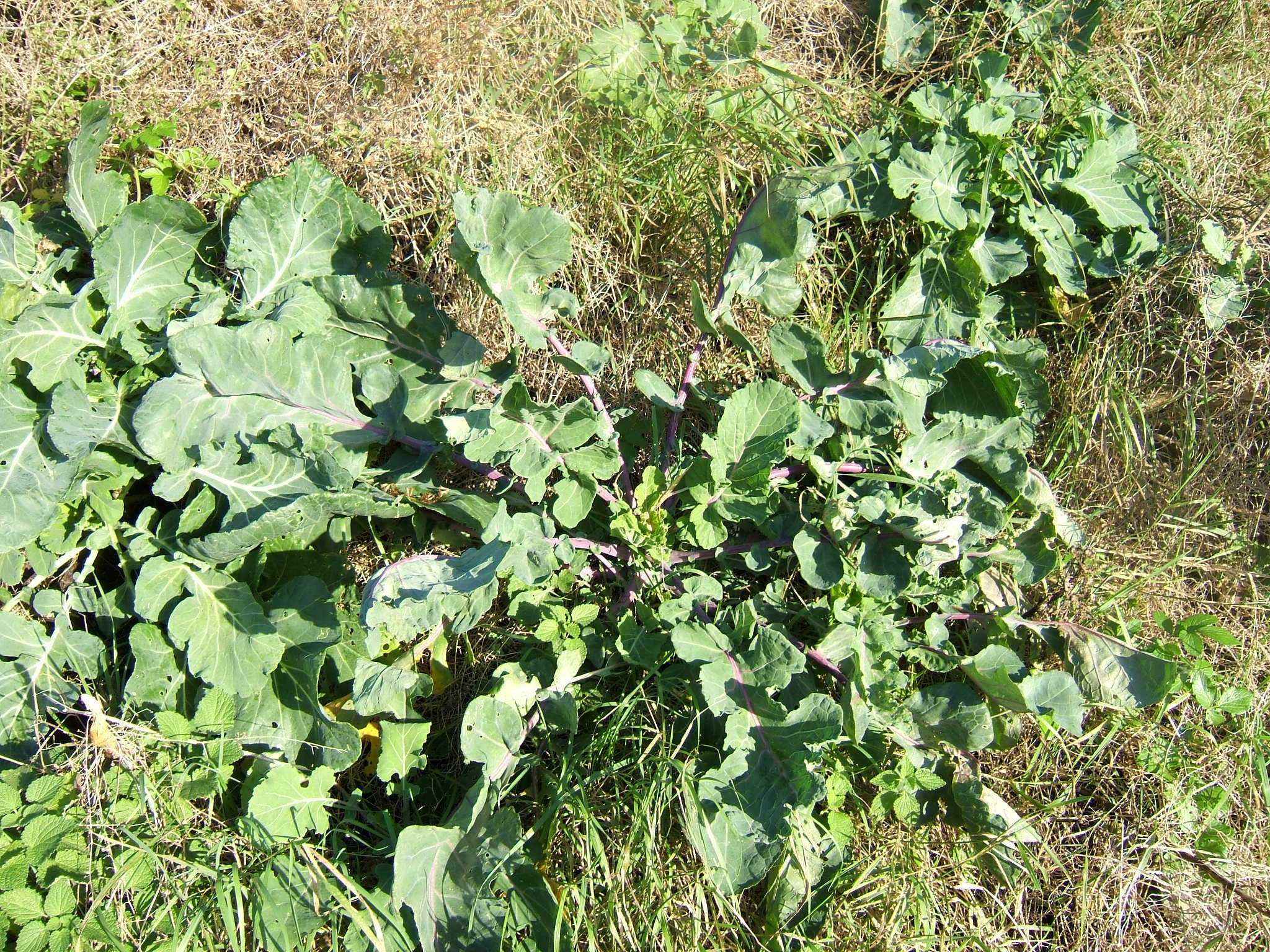
The story of wild cabbage is a saga of domestication, stretching back at least 2,500 years to the coastal regions of the Eastern Mediterranean. While its precise wild ancestor remains a subject of debate, it's widely accepted that feral populations along the Mediterranean coast served as the progenitor. Early cultivation likely focused on its edible leaves, a precursor to modern cabbage. The true explosion of diversity, however, occurred with the advent of selective breeding by ancient Greeks and Romans, who recognized its potential for variation. Figures like Pliny the Elder documented various forms, hinting at the extensive horticultural practices already in place. This ancient lineage has since spread globally, becoming a staple crop across continents, with distinct cultivars developing in different regions based on local agricultural practices and culinary preferences.
⚙️ How It Works
The astonishing diversity within brassica-oleracea stems from its remarkable genetic plasticity and the power of artificial selection. Humans have, over centuries, selected for specific traits: larger leaves (kale, collards), apical buds (cabbage), lateral buds (Brussels sprouts), flower meristems (broccoli, cauliflower, romanesco), and swollen stems (kohlrabi). This process, driven by human intervention, has amplified natural variations, leading to dramatic morphological differences from a single wild progenitor, a phenomenon rarely seen in the plant kingdom. The underlying genetic mechanisms involve changes in gene expression and regulatory pathways, allowing for profound phenotypic divergence without speciation.
📊 Key Facts & Numbers
The global impact of brassica-oleracea cultivars is staggering. These vegetables are nutritional powerhouses, with kale, for instance, boasting up to 10 times the vitamin C of an orange per gram. The market value of these crops collectively runs into tens of billions of dollars annually, underscoring their economic significance. Furthermore, studies indicate that regular consumption of cruciferous vegetables like those derived from brassica-oleracea is associated with a reduced risk of certain cancers, highlighting their profound public health implications.
👥 Key People & Organizations
While no single individual 'invented' brassica-oleracea cultivars, countless farmers, botanists, and breeders have shaped its destiny. Early agriculturalists in the Ancient Greek and Roman Republic civilizations were instrumental in initial domestication and selection. Organizations such as the World Vegetable Center and various national agricultural research institutions continue to play a crucial role in developing improved varieties resistant to pests and diseases, ensuring the continued availability and nutritional value of these vital crops for a growing global population.
🌍 Cultural Impact & Influence
The influence of brassica-oleracea cultivars extends far beyond the dinner plate, permeating global culture and cuisine. Cabbage is a cornerstone in dishes from German sauerkraut and Polish bigos to Korean kimchi and Vietnamese đồ chua. Broccoli and cauliflower have become ubiquitous in Western diets, often featured in health-conscious meals and children's nutrition programs. The visual distinctiveness of Romanesco broccoli, with its fractal patterns, has even inspired artists and designers. The plant's ability to thrive in diverse climates has made it a symbol of agricultural resilience and a fundamental component of food security strategies worldwide, embedding it deeply into the cultural fabric of societies across the globe.
⚡ Current State & Latest Developments
The cultivation of brassica-oleracea is currently focused on enhancing yield, nutritional content, and resistance to emerging pests and diseases, particularly in the face of climate change. Researchers are exploring genomic selection techniques to accelerate breeding for desirable traits. For instance, new varieties of cauliflower are being developed with enhanced antioxidant profiles, and disease-resistant strains of kale are crucial for regions battling specific blights. The development of CRISPR-Cas9 gene-editing technologies also offers unprecedented precision in modifying traits, potentially leading to faster development cycles for improved cultivars. The global market for these vegetables continues to grow, driven by increasing consumer awareness of their health benefits and the demand for diverse, nutrient-dense food options.
🤔 Controversies & Debates
One of the most persistent debates surrounding brassica-oleracea cultivars revolves around their precise evolutionary history and the extent of genetic divergence. While consensus holds that they are all the same species, the exact pathways and timelines of domestication for each cultivar are subjects of ongoing scientific inquiry. Another area of contention is the optimal agricultural practices; debates persist between proponents of conventional farming, which often relies on pesticides and herbicides, and advocates for organic farming methods that prioritize soil health and biodiversity. Furthermore, the introduction of genetically modified or gene-edited varieties, while promising for disease resistance, raises ethical questions about consumer acceptance and long-term ecological impacts, particularly concerning gene flow to wild relatives.
🔮 Future Outlook & Predictions
The future of brassica-oleracea cultivars looks increasingly sophisticated, driven by advancements in biotechnology and a growing demand for sustainable agriculture. Expect to see the development of hyper-nutritious varieties, perhaps engineered for specific micronutrient profiles or enhanced phytonutrient content, catering to personalized nutrition trends. Precision agriculture techniques, utilizing AI and sensor technology, will optimize resource use in cultivation, minimizing water and fertilizer inputs. Furthermore, research into climate-resilient strains, capable of withstanding extreme temperatures and drought, will be paramount. The potential for gene editing to rapidly introduce traits like enhanced shelf-life or novel flavor profiles could also reshape consumer markets, though regulatory hurdles and public perception will be critical factors in their adoption.
💡 Practical Applications
The practical applications of brassica-oleracea are overwhelmingly culinary, forming the bedrock of countless dishes worldwide. Cabbage is fermented into sauerkraut and kimchi, providing probiotics and unique flavors. Broccoli and cauliflower are steamed, roasted, or pureed into soups, serving as versatile bases for meals. Kale is a staple in salads and smoothies, celebrated for its dense nutrient profile. Kohlrabi is often eaten raw or pickled, offering a crisp, slightly sweet flavor. Beyond direct consumption, extracts from brassica-oleracea species are studied for their potential phytonutrient and medicinal properties, particularly their glucosinolate compounds, which are precursors to isothiocyanates known for their anti-cancer activities. The seeds are also a source of rapeseed oil in some related species, though less common for oleracea itself.
Key Facts
- Category
- nature
- Type
- topic