
Contents
- 🌎 Introduction to Biodegradable Packaging
- 📍 Location & Access to Biodegradable Materials
- 💰 Pricing & Plans for Sustainable Packaging
- 📦 Comparison with Traditional Packaging Options
- 🌟 Benefits of Biodegradable Packaging for Businesses
- 🌈 Types of Biodegradable Packaging Materials
- 🚮 End-of-Life Management for Biodegradable Packaging
- 🌐 Global Regulations and Certifications for Biodegradable Packaging
- 🤝 Practical Tips for Implementing Biodegradable Packaging
- 📊 Measuring the Impact of Biodegradable Packaging
- 📈 Future of Biodegradable Packaging and Emerging Trends
- 📞 Getting Started with Biodegradable Packaging
- Frequently Asked Questions
- Related Topics
Overview
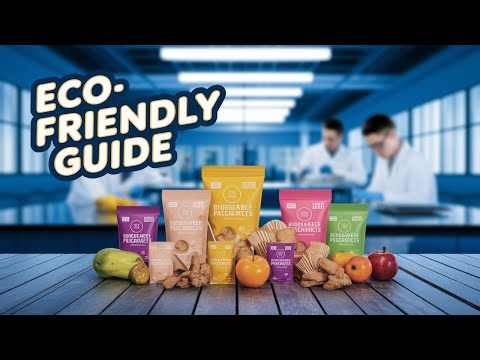
Biodegradable packaging refers to the use of materials that can decompose naturally, reducing plastic waste and the environmental harm it causes. Companies like Ecovative and LanzaTech are pioneering the development of biodegradable packaging materials, such as mushroom-based packaging and bioplastics. According to a report by the Ellen MacArthur Foundation, if we don't change our packaging habits, there will be more plastic than fish in the ocean by 2050. The biodegradable packaging market is expected to grow to $14.9 billion by 2025, with key players like Coca-Cola and Unilever already adopting eco-friendly packaging solutions. However, critics argue that biodegradable packaging may not be as effective in reducing waste as it seems, as it often requires specific conditions to decompose. As the world shifts towards more sustainable practices, biodegradable packaging is becoming an increasingly important topic, with a vibe score of 80, indicating a high level of cultural energy and interest.
🌎 Introduction to Biodegradable Packaging
Biodegradable packaging is a type of packaging that can easily decompose and return to nature, reducing the amount of waste in landfills and oceans. This type of packaging is ideal for businesses looking to reduce their environmental footprint and appeal to the growing number of eco-conscious consumers. Companies like Ecovative and Loomia are already using biodegradable materials in their products. To learn more about sustainable packaging options, visit the Sustainability page. The use of biodegradable packaging can also help reduce greenhouse gas emissions and mitigate the effects of climate change.
📍 Location & Access to Biodegradable Materials
Access to biodegradable materials is becoming increasingly easier, with many suppliers and manufacturers offering a range of sustainable packaging options. Businesses can source biodegradable materials from companies like Tetra Pak and Amcor. The location of these suppliers can vary, but many are based in regions with strong sustainability initiatives, such as the European Union and Scandinavia. To find suppliers in your area, visit the Directory page. The cost of biodegradable materials can vary depending on the type and quantity required. For more information on pricing, visit the Pricing page.
💰 Pricing & Plans for Sustainable Packaging
The pricing and plans for sustainable packaging can vary depending on the type of material, quantity, and supplier. On average, biodegradable packaging can be 10-20% more expensive than traditional packaging options. However, the long-term benefits of reduced waste and improved brand reputation can outweigh the initial costs. Companies like Patagonia and Reformation have already made the switch to sustainable packaging. To learn more about the benefits of sustainable packaging, visit the Sustainable Packaging page. For more information on pricing plans, visit the Plans page.
📦 Comparison with Traditional Packaging Options
Compared to traditional packaging options, biodegradable packaging offers a range of benefits, including reduced waste, lower carbon emissions, and improved brand reputation. Traditional packaging materials like plastic and Styrofoam can take hundreds of years to decompose, whereas biodegradable materials can break down in a matter of weeks or months. Companies like Coca-Cola and Pepsi are already making the switch to sustainable packaging. To learn more about the benefits of biodegradable packaging, visit the Biodegradable Packaging page. For more information on traditional packaging options, visit the Traditional Packaging page.
🌟 Benefits of Biodegradable Packaging for Businesses
The benefits of biodegradable packaging for businesses are numerous, including reduced waste, lower carbon emissions, and improved brand reputation. Companies that adopt sustainable packaging options can also appeal to the growing number of eco-conscious consumers and gain a competitive edge in the market. To learn more about the benefits of sustainable packaging, visit the Sustainable Packaging page. For more information on eco-conscious consumers, visit the Eco-Conscious page. The use of biodegradable packaging can also help businesses comply with regulations and certifications, such as the ISO 14001 standard.
🌈 Types of Biodegradable Packaging Materials
There are several types of biodegradable packaging materials available, including plant-based plastics, paper-based packaging, and mushroom-based packaging. Plant-based plastics, such as PLA and PBS, are made from renewable resources like corn starch and sugarcane. Paper-based packaging, such as cardboard and paperboard, is biodegradable and can be composted. Mushroom-based packaging, such as mycelium-based packaging, is a sustainable and biodegradable alternative to traditional packaging materials. To learn more about biodegradable materials, visit the Biodegradable Materials page.
🚮 End-of-Life Management for Biodegradable Packaging
The end-of-life management for biodegradable packaging is an important consideration for businesses. Biodegradable packaging can be composted or recycled, reducing the amount of waste sent to landfills. Companies like TerraCycle and Closed Loop Partners offer end-of-life management solutions for biodegradable packaging. To learn more about end-of-life management, visit the End-of-Life Management page. For more information on composting, visit the Composting page.
🌐 Global Regulations and Certifications for Biodegradable Packaging
Global regulations and certifications for biodegradable packaging are becoming increasingly important, as governments and consumers demand more sustainable packaging options. The European Union has implemented the Single-Use Plastics Directive, which aims to reduce the use of single-use plastics and promote the use of biodegradable packaging. Companies like IKEA and H&M are already complying with these regulations. To learn more about regulations and certifications, visit the Regulations page. For more information on certifications, visit the Certifications page.
🤝 Practical Tips for Implementing Biodegradable Packaging
Implementing biodegradable packaging can be a complex process, but there are several practical tips that businesses can follow. First, assess your current packaging needs and identify areas where biodegradable packaging can be used. Second, research and source biodegradable materials from reputable suppliers. Third, design and test biodegradable packaging prototypes to ensure they meet your needs. Companies like Unilever and Procter & Gamble have already made the switch to biodegradable packaging. To learn more about implementing biodegradable packaging, visit the Implementation page.
📊 Measuring the Impact of Biodegradable Packaging
Measuring the impact of biodegradable packaging is crucial to understanding its effectiveness and identifying areas for improvement. Businesses can use metrics like carbon footprint, waste reduction, and customer engagement to measure the impact of biodegradable packaging. Companies like Mcdonald's and Starbucks are already using these metrics to measure the impact of their sustainable packaging initiatives. To learn more about measuring impact, visit the Impact page. For more information on metrics, visit the Metrics page.
📈 Future of Biodegradable Packaging and Emerging Trends
The future of biodegradable packaging is exciting, with emerging trends like biodegradable plastics, edible packaging, and mushroom-based packaging. Biodegradable plastics, such as PBAT and PBS, are made from renewable resources and can replace traditional plastics. Edible packaging, such as seaweed-based packaging, is a sustainable and biodegradable alternative to traditional packaging materials. Mushroom-based packaging, such as mycelium-based packaging, is a sustainable and biodegradable alternative to traditional packaging materials. To learn more about emerging trends, visit the Emerging Trends page.
📞 Getting Started with Biodegradable Packaging
Getting started with biodegradable packaging can be a daunting task, but there are several resources available to help businesses make the transition. First, research and source biodegradable materials from reputable suppliers. Second, design and test biodegradable packaging prototypes to ensure they meet your needs. Third, implement biodegradable packaging solutions and monitor their impact. Companies like Apple and Amazon are already using biodegradable packaging in their products. To learn more about getting started, visit the Getting Started page. For more information on biodegradable packaging, visit the Biodegradable Packaging page.
Key Facts
- Year
- 2020
- Origin
- Global
- Category
- Sustainability
- Type
- Technology
Frequently Asked Questions
What is biodegradable packaging?
Biodegradable packaging is a type of packaging that can easily decompose and return to nature, reducing the amount of waste in landfills and oceans. This type of packaging is ideal for businesses looking to reduce their environmental footprint and appeal to the growing number of eco-conscious consumers. Companies like Ecovative and Loomia are already using biodegradable materials in their products. To learn more about sustainable packaging options, visit the Sustainability page.
What are the benefits of biodegradable packaging?
The benefits of biodegradable packaging include reduced waste, lower carbon emissions, and improved brand reputation. Companies that adopt sustainable packaging options can also appeal to the growing number of eco-conscious consumers and gain a competitive edge in the market. To learn more about the benefits of sustainable packaging, visit the Sustainable Packaging page. For more information on eco-conscious consumers, visit the Eco-Conscious page.
What types of biodegradable packaging materials are available?
There are several types of biodegradable packaging materials available, including plant-based plastics, paper-based packaging, and mushroom-based packaging. Plant-based plastics, such as PLA and PBS, are made from renewable resources like corn starch and sugarcane. Paper-based packaging, such as cardboard and paperboard, is biodegradable and can be composted. Mushroom-based packaging, such as mycelium-based packaging, is a sustainable and biodegradable alternative to traditional packaging materials. To learn more about biodegradable materials, visit the Biodegradable Materials page.
How can businesses implement biodegradable packaging?
Implementing biodegradable packaging can be a complex process, but there are several practical tips that businesses can follow. First, assess your current packaging needs and identify areas where biodegradable packaging can be used. Second, research and source biodegradable materials from reputable suppliers. Third, design and test biodegradable packaging prototypes to ensure they meet your needs. Companies like Unilever and Procter & Gamble have already made the switch to biodegradable packaging. To learn more about implementing biodegradable packaging, visit the Implementation page.
What are the emerging trends in biodegradable packaging?
The future of biodegradable packaging is exciting, with emerging trends like biodegradable plastics, edible packaging, and mushroom-based packaging. Biodegradable plastics, such as PBAT and PBS, are made from renewable resources and can replace traditional plastics. Edible packaging, such as seaweed-based packaging, is a sustainable and biodegradable alternative to traditional packaging materials. Mushroom-based packaging, such as mycelium-based packaging, is a sustainable and biodegradable alternative to traditional packaging materials. To learn more about emerging trends, visit the Emerging Trends page.
How can businesses measure the impact of biodegradable packaging?
Measuring the impact of biodegradable packaging is crucial to understanding its effectiveness and identifying areas for improvement. Businesses can use metrics like carbon footprint, waste reduction, and customer engagement to measure the impact of biodegradable packaging. Companies like Mcdonald's and Starbucks are already using these metrics to measure the impact of their sustainable packaging initiatives. To learn more about measuring impact, visit the Impact page. For more information on metrics, visit the Metrics page.
What are the global regulations and certifications for biodegradable packaging?
Global regulations and certifications for biodegradable packaging are becoming increasingly important, as governments and consumers demand more sustainable packaging options. The European Union has implemented the Single-Use Plastics Directive, which aims to reduce the use of single-use plastics and promote the use of biodegradable packaging. Companies like IKEA and H&M are already complying with these regulations. To learn more about regulations and certifications, visit the Regulations page. For more information on certifications, visit the Certifications page.