
Contents
Overview
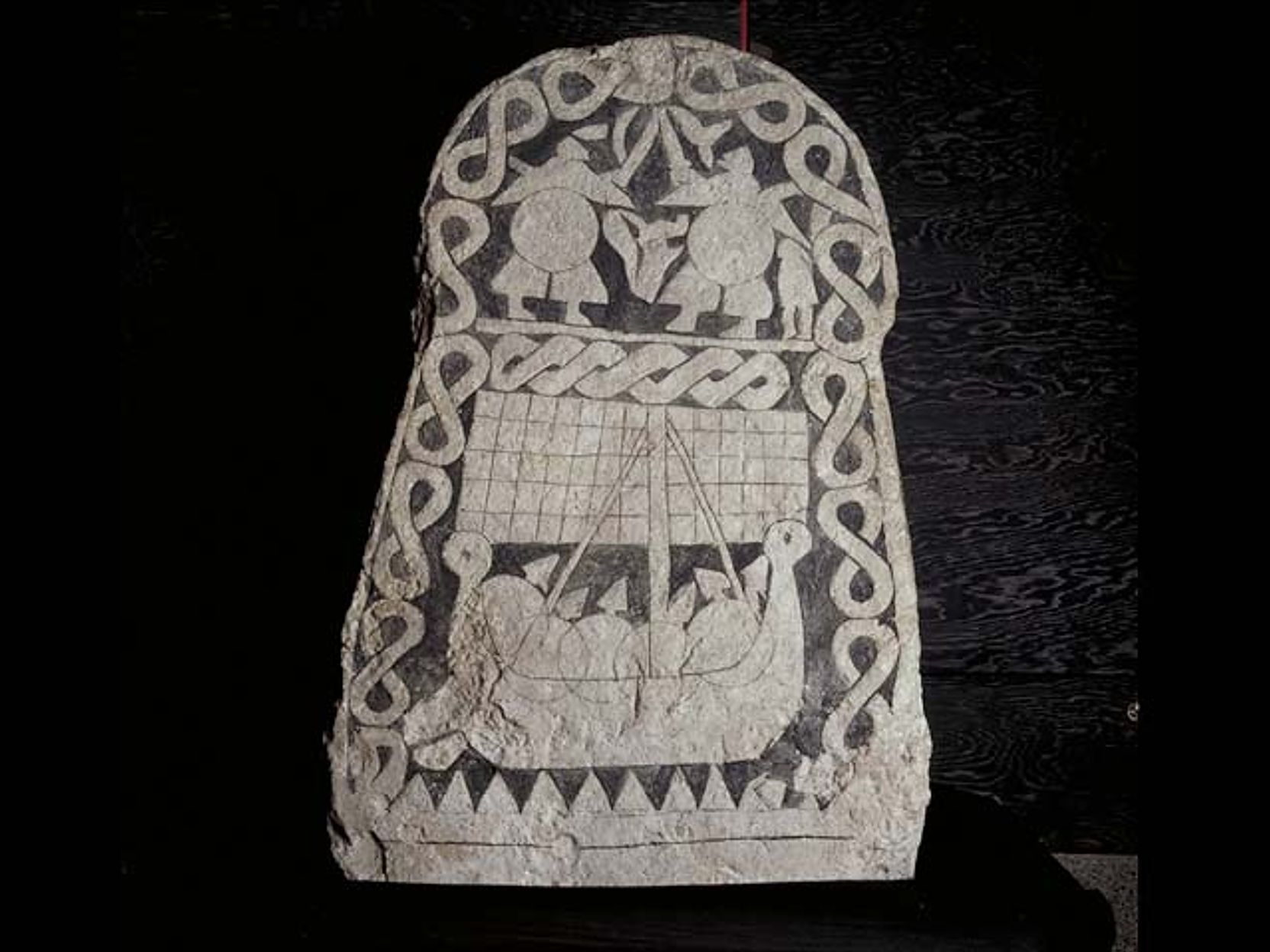
The story of the Scandinavian Vikings is inextricably linked to the broader Viking Age. While the term 'Viking' often conjures images of bloodthirsty raiders, historical consensus suggests that only a fraction of the Norse population actively engaged in piracy. The majority were farmers, traders, and artisans, whose voyages were driven by a complex mix of economic opportunity, political ambition, and population pressure. Early Norse expansion was facilitated by advancements in shipbuilding, particularly the development of the longship, which allowed for swift and deep penetration into both coastal waters and navigable river systems. Swedish Norsemen known as Varangians undertook eastern expeditions. The Varangians forged trade routes to the Byzantine Empire and the Abbasid Caliphate, influencing the development of the Rus' people and the early Russian state. A short-lived settlement was established at L'Anse aux Meadows in Newfoundland.
⚙️ How They Operated
The operational prowess of the Vikings stemmed from a sophisticated understanding of seafaring, navigation, and military strategy. Their iconic longships were marvels of engineering, capable of carrying up to 60 warriors and cargo, yet shallow enough to navigate rivers and be beached on shorelines, enabling surprise attacks far inland. This mobility was a key factor in their success, allowing them to strike quickly and retreat before organized resistance could mobilize. Beyond raiding, trade was a cornerstone of Viking activity. They established extensive networks, exchanging goods like furs, amber, walrus ivory, and slaves for silver, silk, spices, and weapons from Byzantium, the Middle East, and Western Europe. Their trading posts, such as Hedeby in Denmark and Birka in Sweden, became vital hubs in the medieval economy. Socially, Viking society was hierarchical, with chieftains and jarls at the top, followed by free farmers (karls), and then thralls (slaves). The concept of honor and reputation was paramount, often driving both martial endeavors and the pursuit of wealth through trade and exploration.
📊 Key Facts & Numbers
The Viking Age saw the emergence of distinct Norse-influenced cultures and peoples, including the Norse-Gaels, Normans, Rus', Faroese, and Icelanders, fundamentally reshaping the political, cultural, and demographic landscape of numerous regions. The legacy of the Vikings is etched in sagas, archaeological finds, and the very linguistic and genetic makeup of many modern European nations.
👥 Key Figures & Groups
While 'Viking' is often used as a blanket term, distinct groups and influential figures emerged from the Norse expansion. Ragnar Lothbrok (legendary figure) led major incursions into the Anglo-Saxon kingdoms during the 9th century. Ivar the Boneless, a son of Ragnar Lothbrok, was also prominent. In Eastern Europe, figures like Rurik are credited with founding the Rurik dynasty, which would rule Kievan Rus' for centuries. Leif Erikson, son of Erik the Red, is famously credited with leading the first European expedition to North America. The Varangians formed the elite Varangian Guard of the Byzantine Emperors, serving as personal bodyguards in Constantinople. These groups, while sharing common Norse roots, developed unique cultural and political identities in their new homelands.
🌍 Cultural Impact & Influence
The influence of the Scandinavian Vikings on the regions they encountered is profound and multifaceted. In the British Isles, their settlements and raids led to significant cultural exchange, linguistic borrowing, and the formation of the Danelaw in England. The Norse impact on place names, personal names, and legal systems is still evident today. In Ireland, Viking settlements like Dublin, Waterford, and Limerick became important centers of trade and urban development. The Normans, a direct product of Viking settlement in France, not only conquered England but also played a significant role in the conquest of Southern Italy and Sicily, and the Crusades. In Eastern Europe, the Varangians were instrumental in the formation of the Rus' state, contributing to its political structure and trade networks. The Norse also left a genetic footprint, with modern populations in Britain, Ireland, and parts of Russia showing discernible Norse ancestry. Their sagas and mythology continue to inspire literature, art, and popular culture, contributing to a persistent fascination with the Viking era.
⚡ The Viking Age Today
The study and perception of Vikings remain dynamic in the 21st century. While the traditional image of the horned-helmeted barbarian is largely debunked by modern scholarship, the Viking Age continues to capture the public imagination. Archaeological discoveries, such as the recent findings at Salme in Estonia revealing ship burials with hundreds of weapons, continually refine our understanding. The rise of DNA analysis has allowed for more precise tracing of Viking diaspora and settlement patterns, revealing complex migration routes and interactions. Popular culture, from historical fiction novels by authors like Bernard Cornwell to television series like 'Vikings' and 'The Last Kingdom', continues to drive interest, though often with dramatic license. Museums and heritage sites across Scandinavia and Northern Europe are experiencing increased visitor numbers, highlighting a sustained global curiosity about this transformative period. The ongoing debate about the extent of Viking violence versus their roles as traders and settlers reflects a continuous effort to present a more nuanced historical picture.
🤔 Controversies & Debates
The interpretation of Viking actions and motivations remains a subject of considerable debate among historians and archaeologists. One key controversy revolves around the scale and nature of Viking violence. While sagas and chronicles often emphasize brutal raids, some scholars argue that these accounts may be exaggerated by Christian chroniclers seeking to demonize pagan outsiders. The extent to which Viking expansion was driven by overpopulation and resource scarcity versus a desire for wealth, power, and adventure is also debated. Furthermore, the concept of a unified 'Viking' identity is questioned; the Norse peoples were diverse, and their actions varied significantly by region and time period.
Key Facts
- Category
- history
- Type
- topic