Runes | Vibepedia
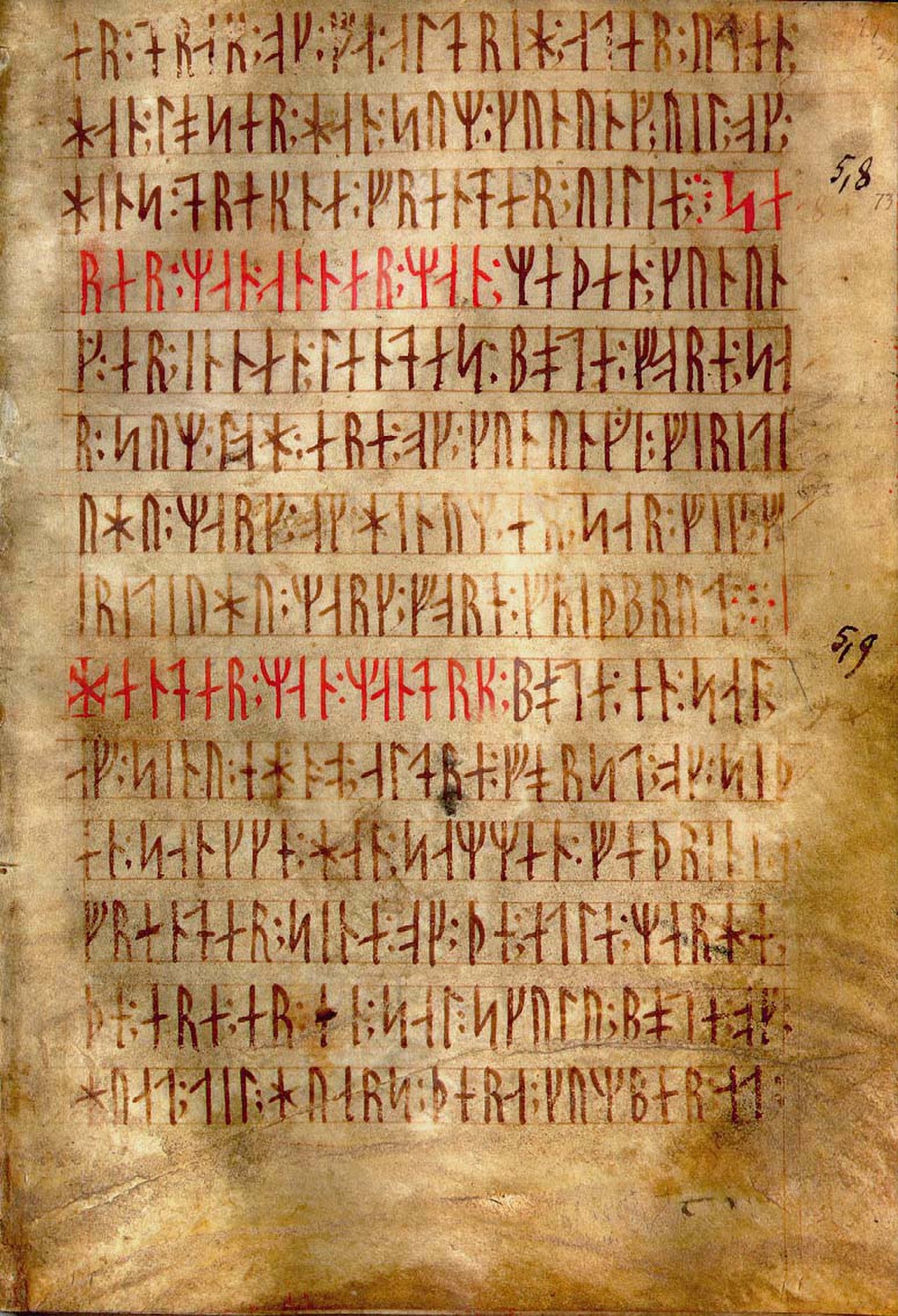
Runes are more than just ancient alphabets; they are potent symbols steeped in Germanic and Norse history, carrying echoes of magic, divination, and identity…
Contents
- 📜 What Exactly Are Runes?
- 🕰️ A Glimpse into Runes' Past
- ✍️ The Elder Futhark: The Most Iconic Set
- 🔮 Runes Beyond the Alphabet: Symbolism & Divination
- 🏛️ Runology: The Academic Pursuit
- ⚔️ Runes in Popular Culture: From Vikings to Video Games
- 💡 Runes Today: Modern Interpretations & Uses
- ❓ Common Misconceptions About Runes
- Frequently Asked Questions
- Related Topics
Overview
Runes are more than just ancient alphabets; they are potent symbols steeped in Germanic and Norse history, carrying echoes of magic, divination, and identity. From the Elder Futhark's earliest inscriptions on stone and bone to their resurgence in modern paganism and occult practices, runes offer a tangible link to ancestral wisdom. This guide explores their historical roots, their diverse interpretations across different cultures and belief systems, and their surprising modern manifestations, including their adoption in digital art and online communities. Understanding runes means engaging with a lineage of meaning that continues to evolve, inviting both scholarly inquiry and personal exploration.
📜 What Exactly Are Runes?
Runes are more than just ancient letters; they're a system of writing with deep roots in Germanic culture. Primarily used by Norse and other Germanic tribes from roughly the 2nd to the 17th centuries, these characters, collectively known as futharks, served a dual purpose. Each rune represented a specific sound, much like our modern alphabet, but crucially, they also embodied the concepts associated with their names. Think of 'Fehu' (ᚠ) not just as 'f', but as representing wealth, cattle, and prosperity. This symbolic depth is what elevates runes from mere script to a rich system of meaning.
🕰️ A Glimpse into Runes' Past
The history of runes stretches back to at least the 2nd century CE, with early inscriptions found on artifacts like the Caister-on-Sea Sword and the Golden Horns of Gallehus. While their exact origins are debated, theories point to influences from Latin, Greek, or even Etruscan alphabets, adapted by Germanic peoples for their own linguistic and cultural needs. For centuries, runes were the primary script for inscriptions on stone, wood, metal, and bone, chronicling everything from personal messages to monumental declarations, before gradually being replaced by the Latin alphabet with the advent of Christianity.
✍️ The Elder Futhark: The Most Iconic Set
Among the various runic alphabets, the Elder Futhark stands out as the most ancient and widely recognized. Comprising 24 runes, it's believed to have been in use from around 150 to 800 CE across Scandinavia and Germanic Europe. Each of its 24 characters, from the aforementioned 'Fehu' (ᚠ) to 'Othala' (ᛟ) representing inheritance and homeland, carries profound symbolic weight. Understanding the Elder Futhark is often the first step for anyone delving into the study of runes, as it forms the foundation for later variations like the Younger Futhark and Anglo-Saxon Futhorc.
🔮 Runes Beyond the Alphabet: Symbolism & Divination
The true magic of runes, for many, lies in their symbolic and divinatory applications. Beyond their phonetic values, each rune is a potent symbol, a key to unlocking deeper meanings related to life, fate, and the cosmos. This is where the practice of rune casting or divination comes into play, where runes are drawn and interpreted to offer guidance or insight into questions. This esoteric dimension has captivated practitioners for centuries, transforming runes from a historical script into a living tool for self-discovery and spiritual exploration.
🏛️ Runology: The Academic Pursuit
The academic study of runes is known as Runology, a specialized field within Germanic philology. Scholars in this discipline meticulously analyze runic inscriptions, runestones, and the historical context of their use. They work to decipher meanings, trace linguistic evolution, and understand the cultural practices associated with runes. While often associated with mysticism, runology is a rigorous academic pursuit grounded in historical evidence, textual analysis, and archaeological findings, providing a crucial counterpoint to purely esoteric interpretations.
⚔️ Runes in Popular Culture: From Vikings to Video Games
Runes have experienced a significant resurgence in popular culture, largely thanks to the enduring fascination with Viking Age history and mythology. From their prominent display in movies like 'Thor' and 'The Northman' to their integration into video games such as 'God of War' and 'Assassin's Creed Valhalla', runes have become a visual shorthand for Norse culture and ancient power. This widespread exposure, while often romanticized, has introduced millions to the aesthetic and conceptual appeal of runic symbols.
💡 Runes Today: Modern Interpretations & Uses
In the modern era, runes are embraced by a diverse community. Many use them for personal growth and mindfulness, incorporating them into journaling, meditation, or artistic expression. Others continue the tradition of divination, using rune sets for guidance. There's also a significant community of craftspeople and artists who create runic jewelry, art, and décor, keeping the visual legacy of runes alive. This contemporary engagement demonstrates the adaptability and enduring appeal of these ancient symbols.
❓ Common Misconceptions About Runes
A common misconception is that runes were solely used for magic or divination. While these aspects are significant, their primary function for centuries was as a practical writing system for everyday communication, record-keeping, and monumental inscriptions. Another myth is that all runes are inherently 'magical' or dangerous; their power, like any symbol, lies in the intention and understanding of the user. Furthermore, the idea that runes are exclusively tied to 'paganism' overlooks their use across various belief systems and their adoption by later Christian communities in Scandinavia.
Key Facts
- Year
- c. 150 CE (earliest evidence)
- Origin
- Proto-Germanic peoples
- Category
- Ancient Scripts & Esotericism
- Type
- Topic
Frequently Asked Questions
What is the difference between the Elder Futhark, Younger Futhark, and Anglo-Saxon Futhorc?
The Elder Futhark is the oldest and most complete runic alphabet, with 24 runes, used from roughly 150-800 CE. The Younger Futhark, a simplified version with 16 runes, emerged around the 8th century and became dominant in Scandinavia during the Viking Age. The Anglo-Saxon Futhorc, used in England, evolved from the Elder Futhark and typically had more runes, often around 28-33, to accommodate the Old English language.
Can I learn to read and write in runes?
Absolutely. Learning to read and write in runes, particularly the Elder Futhark, is quite accessible. Many resources, including books, online courses, and runology websites, provide phonetic guides and writing practice. While historical inscriptions can be complex, mastering the basic alphabet is achievable for dedicated learners.
How do I start using runes for divination?
To begin with rune divination, you'll need a set of runes (often made of wood, stone, or bone) and a quiet space. Many practitioners recommend meditating on a question before drawing one or more runes. The interpretation involves understanding both the phonetic meaning and the symbolic associations of each rune, often guided by books or experienced practitioners. It's a practice that benefits from patience and consistent study.
Are runes associated with any specific historical groups or ideologies?
Historically, runes were used by various Germanic tribes across Northern Europe. In modern times, runes have unfortunately been appropriated by some extremist groups, leading to negative associations. However, the vast majority of rune enthusiasts and practitioners today use them for cultural, historical, spiritual, or divinatory purposes, completely separate from any hateful ideologies. It's important to distinguish between historical usage and modern misuse.
Where can I find authentic runic inscriptions or runestones?
Authentic runic inscriptions and runestones are primarily found in Scandinavia, particularly in Sweden, Norway, and Denmark, as well as in areas with historical Norse influence like the British Isles. Many museums in these regions house significant runestones and artifacts with runic inscriptions. Online runology databases and academic resources can also provide information and images of notable runic finds.