
Contents
Overview
Released in 1976, David Bowie's tenth studio album, Station To Station, is a stark, industrial-tinged masterpiece that marked a profound shift in his artistic identity. Emerging from the cocaine-fueled paranoia and existential dread of Los Angeles, the album introduced Bowie's enigmatic persona, the Thin White Duke, a character as cold and detached as the album's sonic landscape. Musically, it fused the avant-garde experimentation of his Berlin period with a more accessible, albeit still challenging, rock sensibility. The album is a dense, thematically rich work, navigating themes of identity, alienation, and the occult, all filtered through Bowie's increasingly fractured psyche.
From a production standpoint, Harry Maslin’s crisp, often sterile production amplifies the album's sense of isolation. Tracks like "Golden Years" offer a tantalizing glimpse of funk-infused accessibility, while "Stay" and the epic title track "Station To Station" delve into pulsing, repetitive rhythms and disorienting sonic textures. The album’s visual aesthetic, heavily influenced by German expressionism and occult symbolism, further cemented its status as a landmark in performance art and conceptual rock. While commercially successful, reaching #3 on the Billboard 200, its true impact lies in its daring artistic reinvention and its enduring influence on subsequent generations of artists exploring darker, more experimental sonic territories.
Conception and Persona
Emerging from the ashes of the Diamond Dogs tour and a period of intense personal turmoil in Los Angeles, David Bowie channeled his anxieties into the creation of Station To Station. The album's sonic palette was a deliberate departure, incorporating elements of industrial music and Krautrock alongside his signature art-rock sound. This was the birth of the Thin White Duke, a character Bowie described as "a very pale, thin, white man who is a bit of a fascist, a bit of a romantic, a bit of a poet, and a bit of a Nazi." This persona was not merely a costume; it was an extension of Bowie's internal state, a fragile construct built amidst addiction and a profound sense of displacement. The lyrical content, often cryptic and alluding to occultism, tarot, and the pressures of fame, reflected this precarious mental state.
Sonic Architecture and Production
The recording sessions for Station To Station took place at Cherokee Studios in Los Angeles, with producer Harry Maslin at the helm. Maslin, known for his work with Elton John and David Byrne, brought a sharp, precise production style that contrasted with the raw, visceral themes of the music. Guitarist Carlos Alomar played a crucial role, his distinctive riffing providing the backbone for tracks like "Golden Years" and "Stay". The rhythm section, featuring bassist George Murray and drummer Dennis Davis, laid down a propulsive, often hypnotic groove that underscored the album's sense of urgency and unease. The integration of a string section on "Warszawa" (though recorded later, its atmosphere is present) and the extensive use of synthesizers by Roy Thomas Baker added further layers of sonic complexity and a distinctively chilly atmosphere.
Enduring Influence
The legacy of Station To Station is immense and multifaceted. It's widely regarded as one of Bowie's most essential works, a pivotal album that bridged his glam-rock past with his experimental electronic future. The Thin White Duke persona, though short-lived, became an iconic figure in pop culture, influencing countless artists who explore alter egos and thematic depth. The album's fusion of dark, industrial textures with compelling songcraft paved the way for genres like Goth Rock and influenced artists ranging from Nine Inch Nails to Interpol. Its thematic explorations of fractured identity and societal alienation continue to resonate with listeners navigating similar anxieties in the modern era. The album's critical acclaim and commercial success, reaching #5 in the UK and #3 in the US, underscored Bowie's unparalleled ability to push artistic boundaries while maintaining mainstream relevance.
Conceptual Artistry
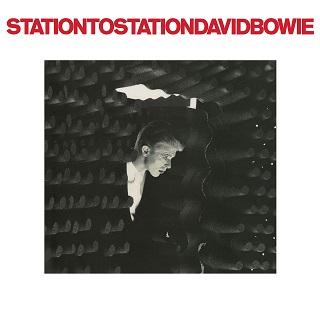
Beyond its musical innovations, Station To Station stands as a testament to the power of conceptual art in popular music. The album's artwork, featuring a stark, black-and-white photograph of Bowie as the Thin White Duke, became instantly recognizable and synonymous with the album's cold, detached aesthetic. The accompanying tour, the "Isolar" tour, further amplified the thematic concerns, with elaborate stage designs and costumes that reinforced the alienating persona. This holistic approach to album creation—integrating music, visual art, and performance—set a high bar for artistic ambition. The album’s enduring influence can be seen not just in musical trends but also in the broader cultural conversation around celebrity, mental health, and the construction of identity in the public eye.
Key Facts
- Year
- 1976
- Origin
- Recorded in Los Angeles, California, USA
- Category
- music
- Type
- album
Frequently Asked Questions
What is the primary significance of Station to Station?
Station to Station is primarily significant as the album that introduced David Bowie's iconic Thin White Duke persona. It marked a pivotal sonic and thematic shift, blending experimental rock with industrial elements and exploring dark themes of addiction, alienation, and identity. Its influence on subsequent music and culture, particularly in post-punk and industrial genres, is substantial.
How did David Bowie's drug addiction affect the album?
David Bowie's severe cocaine addiction during the recording sessions profoundly impacted his memory of the process, leading him to recall little of its creation. This personal struggle is widely believed to have informed the album's bleak, fragmented, and often paranoid lyrical content and its unsettling sonic atmosphere. The album's raw intensity is often attributed to Bowie channeling his addiction into his art.
What is the connection between Station to Station and The Man Who Fell to Earth?
The connection is twofold: Bowie starred as the alien Thomas Jerome Newton in the film The Man Who Fell to Earth, and the album's cover art features a still of him from that role. The film's themes of alienation and otherworldliness directly influenced the album's lyrical content and the development of the Thin White Duke persona, creating a strong thematic and visual synergy between the two works.
Was Station to Station critically acclaimed upon release?
Upon its release in 1976, critical reception for Station to Station was mixed. While some recognized its artistic merit and innovative sound, many were taken aback by its starkness, bleak themes, and the unsettling nature of the Thin White Duke persona. Over time, however, critical consensus has shifted dramatically, with many now regarding it as one of Bowie's most important and influential albums.
What are the main musical characteristics of Station to Station?
The album is characterized by its driving, motorik rhythms, angular guitar work, and atmospheric keyboard textures. It blends elements of avant-garde rock, industrial music, and funk, creating a sound that is both propulsive and experimental. Key features include the distinctive drumming of Dennis Davis, the guitar stylings of Carlos Alomar, and the overall sense of sonic tension and unease.
What controversies surround the album's lyrical themes?
Controversies surrounding Station to Station's lyrics stem from Bowie's exploration of potentially sensitive themes, including references that some interpret as related to fascism and occultism. While Bowie often presented these elements abstractly and deconstructively, their inclusion has led to ongoing debate about their meaning and intent, particularly given the historical context of the mid-1970s.