
Contents
Overview
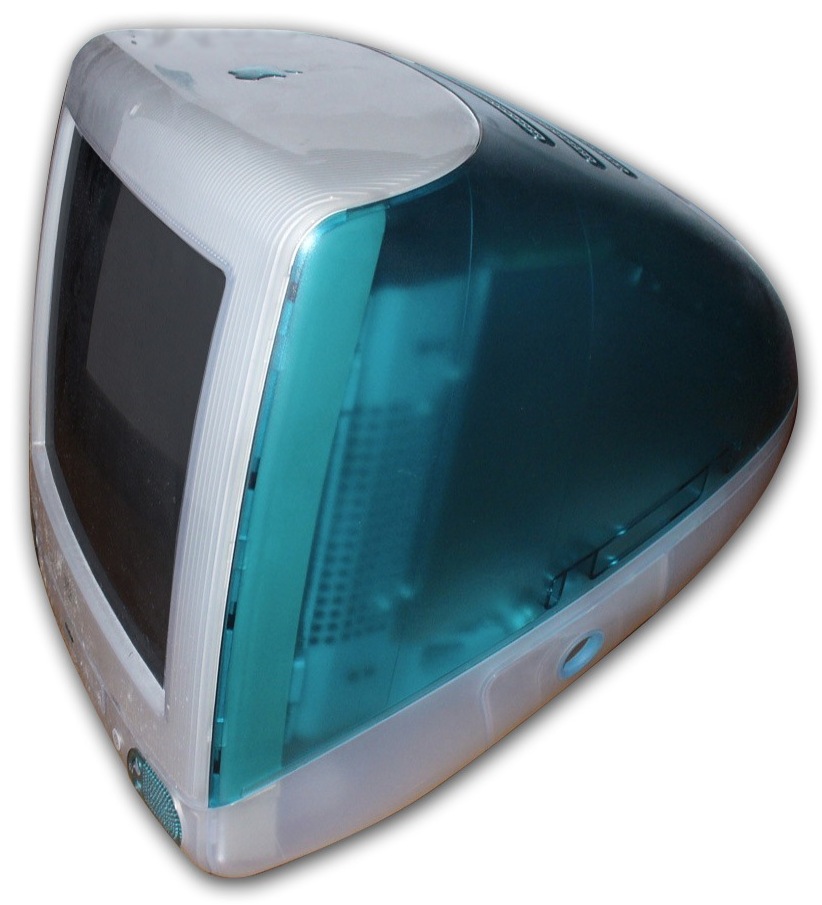
The Y2K aesthetic, and by extension Y2K fashion, didn't materialize in a vacuum. Its roots can be traced to the late 1990s, a period marked by rapid technological advancement and the widespread adoption of the internet, epitomized by the dot-com bubble. The very term 'Y2K' itself, an abbreviation for the year 2000, stemmed from fears of widespread computer system failures, a tension between technological progress and potential chaos that permeated the era's consciousness. This anxiety, coupled with a palpable excitement for the future, manifested visually in a style that was both sleek and playful. Precursors can be seen in the futuristic designs of the late 1980s and early 1990s, but Y2K fashion solidified its identity with a distinct emphasis on synthetic materials, iridescent finishes, and a bold, often kitschy, embrace of digital motifs. Early adopters and trendsetters within music and film, such as The Matrix (1999) and the music videos of Spice Girls, provided early visual cues for this emerging style.
⚙️ How It Works
Y2K fashion operates on a principle of maximalist futurism, blending elements of cyberculture, rave culture, and early 2000s pop music. Key components include the liberal use of synthetic fabrics like PVC, vinyl, and nylon, often in metallic or iridescent finishes that mimicked the sheen of early digital interfaces and computer hardware. Low-rise waistlines became ubiquitous, paired with cropped tops, tube tops, and halter necks, often adorned with rhinestones, glitter, or graphic prints featuring butterflies, stars, or early internet-era logos. Accessories were equally crucial: chunky platform shoes, tinted sunglasses, baguette bags, and an abundance of hair accessories like butterfly clips and bandanas were essential. The color palette leaned towards bright, often neon, hues, pastels, and metallics, reflecting a playful yet technologically-infused optimism. This aesthetic was less about subtle sophistication and more about making a bold, often playful, statement about embracing the future.
📊 Key Facts & Numbers
The Y2K fashion era saw specific trends dominate global markets. Low-rise jeans, butterfly clips, and chunky sneakers are examples of Y2K fashion items. Pop culture figures like Britney Spears and Christina Aguilera were associated with Y2K fashion. Donatella Versace and Alexander McQueen incorporated futuristic and metallic elements into their collections. Baby Phat, Von Dutch, and Juicy Couture defined the casual Y2K streetwear look. Teen magazines like Teen Vogue and Seventeen broadcasted Y2K trends. TMZ played a role in broadcasting Y2K trends. Mean Girls (2004) also served as a cultural touchstone, satirizing and solidifying many of the era's fashion tropes.
👥 Key People & Organizations
Several key figures and organizations were instrumental in shaping and disseminating Y2K fashion. Pop icons like Britney Spears, Christina Aguilera, and the Spice Girls became unwitting or witting style ambassadors through their music videos and public appearances, often styled by figures like Tracy Dimarco and Monica Rose. Designers such as Donatella Versace and Alexander McQueen incorporated futuristic and metallic elements into their high-fashion collections, while brands like Baby Phat, Von Dutch, and Juicy Couture defined the more casual, streetwear-oriented Y2K look. The rise of teen magazines like Teen Vogue and Seventeen, alongside early internet fashion forums and celebrity gossip sites like TMZ, played a crucial role in broadcasting these trends to a mass audience. The film Mean Girls (2004) also served as a cultural touchstone, satirizing and solidifying many of the era's fashion tropes.
🌍 Cultural Impact & Influence
Y2K fashion left an indelible mark on global culture, influencing subsequent fashion cycles and media representations of the early 2000s. Its embrace of synthetic materials paved the way for later trends that played with texture and shine. The aesthetic's association with early internet culture and digital interfaces has also informed the development of digital fashion and cyberpunk aesthetics. Furthermore, the Y2K era's emphasis on celebrity style and the rise of the 'it girl' phenomenon, heavily documented by early paparazzi culture and entertainment news outlets like E! News, set precedents for how celebrity influence shapes fashion consumption. The visual language of Y2K fashion continues to be referenced in music videos, social media trends, and even in the design of user interfaces for digital platforms, demonstrating its enduring cultural resonance.
⚡ Current State & Latest Developments
Y2K fashion is experiencing a revival, driven by nostalgia and a new generation's discovery of early 2000s trends. Social media platforms like TikTok and Instagram are awash with users recreating iconic Y2K looks, often with a modern twist. Brands that defined the era, such as Juicy Couture and Baby Phat, have re-released popular items or launched new collections inspired by their archives, often collaborating with contemporary influencers. High fashion houses continue to draw inspiration from the period, with designers like Demna Gvasalia at Balenciaga frequently referencing early 2000s silhouettes and materials. The resale market for authentic Y2K pieces is booming, with vintage stores and online marketplaces reporting record sales. This resurgence is not merely a replication but an adaptation, with modern interpretations often focusing on sustainability and inclusivity.
🤔 Controversies & Debates
The Y2K fashion revival is not without its critics and controversies. One major debate centers on the problematic aspects of the original era's fashion, particularly the extreme low-rise jeans and cropped tops, which were often associated with unrealistic body standards and contributed to the sexualization of young women, a critique frequently leveled by feminist fashion commentators. The environmental impact of synthetic, often non-biodegradable, materials like PVC and polyester, heavily featured in Y2K fashion, is another significant concern for sustainability advocates. Furthermore, the appropriation of certain Y2K trends by mainstream fashion without acknowledging their origins in subcultures or their potential problematic associations is a point of contention. The authenticity of modern Y2K-inspired pieces versus genuine vintage items also sparks debate among collectors and enthusiasts, with questions arising about fast fashion's role in diluting the original aesthetic.
🔮 Future Outlook & Predictions
The future of Y2K fashion appears to be one of continued adaptation and integration rather than outright replication. As the initial wave of nostalgia matures, we can expect to see a more nuanced incorporation of Y2K elements into broader fashion trends, focusing on specific silhouettes, material innovations, and color palettes rather than wholesale adoption. The emphasis on digital aesthetics and virtual fashion, fueled by the metaverse and Web3 technologies, suggests that the futuristic, tech-infused aspects of Y2K will likely find new life in digital realms. Designers may continue to explore sustainable alternatives to the synthetic materials that defined the era, potentially leading to innovative eco-friendly fabrics that mimic the look and feel of PVC or metallic finishes. The cyclical nature of fashion suggests that elements of Y2K will persist, albeit transformed, in future aesthetic movements, perhaps evolving into a more refined or deconstructed interpretation.
💡 Practical Applications
Y2K fashion's practical applications are most evident in its direct influence on contemporary retail and personal styling. The resurgence has led to a significant increase in demand for specific items like baguette bags, chunky sneakers, and velour tracksuits, which are now readily ava
Key Facts
- Category
- aesthetics
- Type
- topic