
Contents
- 🐑 Origins & History
- ⚙️ How It Works
- 📊 Key Facts & Numbers
- 👥 Key People & Organizations
- 🌍 Cultural Impact & Influence
- ⚡ Current State & Latest Developments
- 🤔 Controversies & Debates
- 🔮 Future Outlook & Predictions
- 💡 Practical Applications
- 📚 Related Topics & Deeper Reading
- Frequently Asked Questions
- References
- Related Topics
Overview
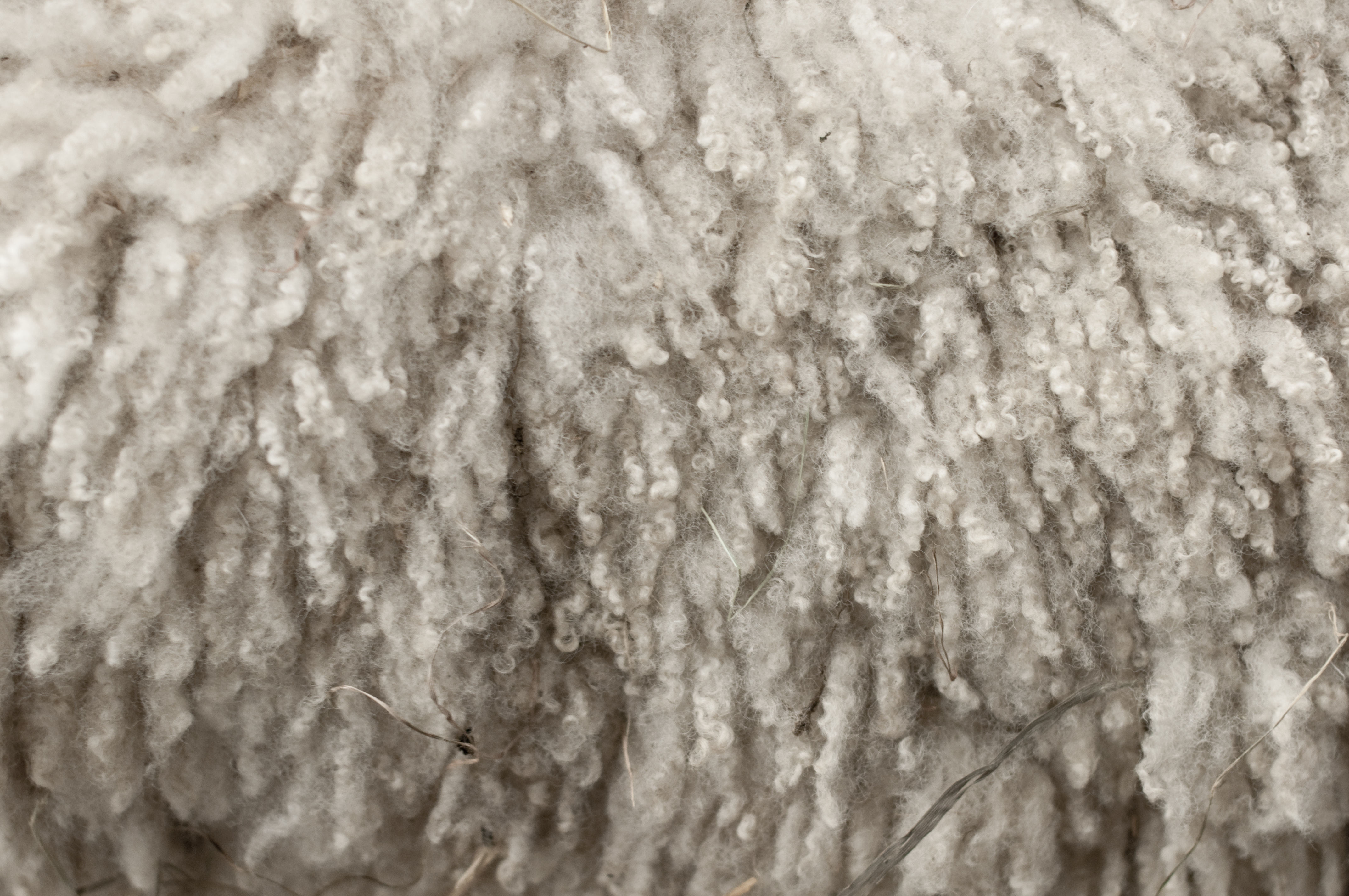
Wool is a natural textile fiber obtained from sheep and other mammals, prized for its unique characteristics, durability, and warmth. Wool production involves several stages, from shearing and sorting to scouring and spinning. The International Wool Textile Organisation promotes sustainable wool production practices.
🐑 Origins & History
Wool is a natural textile fiber obtained from sheep and other mammals, prized for its unique characteristics, durability, and warmth.
⚙️ How It Works
The process of producing wool involves several stages, from shearing and sorting to scouring and spinning. The quality of wool is determined by factors such as the breed of sheep, the climate and soil conditions, and the processing methods used. Merino wool, for example, is highly prized for its softness, fineness, and warmth, and is often used in high-end clothing and textiles. The Textile Institute provides guidelines for the production and processing of wool, ensuring that the industry maintains high standards of quality and sustainability.
📊 Key Facts & Numbers
The global wool market is influenced by factors such as fashion trends, consumer demand, and economic conditions. The World Wool Market report provides an in-depth analysis of the global wool market.
👥 Key People & Organizations
Key people and organizations in the wool industry include the International Wool Textile Organisation, which promotes sustainable wool production practices.
🌍 Cultural Impact & Influence
Wool has cultural significance, with many cultures relying on wool for clothing, textiles, and other essential items.
⚡ Current State & Latest Developments
The Sustainable Wool Production initiative aims to promote environmentally friendly and socially responsible wool production practices.
🤔 Controversies & Debates
The Wool Industry Response to Criticism report addresses concerns over animal welfare, environmental impact, and labor practices.
🔮 Future Outlook & Predictions
Recycled wool and wool blends are being developed to meet changing consumer demands. The Wool Industry Trends report provides an analysis of current trends and future prospects for the wool industry.
💡 Practical Applications
Practical applications of wool include clothing, textiles, insulation, and craft materials.
Key Facts
- Category
- nature
- Type
- concept
Frequently Asked Questions
What is wool?
Wool is a natural textile fiber obtained from sheep and other mammals, prized for its unique characteristics, durability, and warmth.
How is wool produced?
Wool production involves several stages, from shearing and sorting to scouring and spinning. The quality of wool is determined by factors such as the breed of sheep, the climate and soil conditions, and the processing methods used.
What are the benefits of wool?
Wool has several benefits, including its natural insulation properties, breathability, and durability. It is also a sustainable and renewable resource.
What are the challenges facing the wool industry?
The wool industry faces challenges related to sustainability and environmental impact.
What is the future of the wool industry?
The future of the wool industry is reportedly tied to the development of sustainable and environmentally friendly production practices.