
Contents
Overview
The concept of the 'West' in the United States is a fluid historical construct, constantly redefined by the relentless march of American settlement. Before the early 19th century, the western frontier was often considered the crest of the Appalachian Mountains. As pioneers pushed westward, the Mississippi River became a new demarcation, and by the mid-19th century, the lands beyond it, particularly those leading to the Pacific Ocean, were firmly established as the 'West.' This expansion was fueled by manifest destiny and the subsequent construction of the Transcontinental Railroad which drastically shrunk travel times and opened vast territories to settlement. Early exploration by figures like Meriwether Lewis and William Clark during the Lewis and Clark Expedition (1804-1806) mapped much of this territory, laying the groundwork for future territorial claims and statehood. The displacement and subjugation of numerous Indigenous peoples were integral to this westward expansion, a brutal legacy that continues to shape the region's social and political landscape.
⚙️ Defining the West
The U.S. Census Bureau officially delineates the Western United States as comprising thirteen states: Arizona, California, Colorado, Idaho, Montana, Nevada, New Mexico, Oregon, Utah, Washington, Wyoming, and Alaska, Hawaii. This definition includes the Rocky Mountains and the Great Basin regions, extending to the Pacific coast, and incorporating the mid-Pacific island state of Hawaii. Geographically, it is bordered by the Midwest and South to the east, Canada to the north, and Mexico to the south. The region is renowned for its immense geographical diversity, featuring arid and semi-arid plateaus in the Southwest, vast mountain ranges, extensive coastlines, and unique island ecosystems. This varied topography supports a wide array of biomes, from the deserts of Mojave to the temperate rainforests of the Pacific Northwest, influencing everything from settlement patterns to economic activities.
📊 Key Facts & Numbers
The Western United States covers approximately 3.1 million square miles, representing about 33% of the total land area of the contiguous United States. As of the 2020 Census, the region was home to over 78 million people, a significant portion of the nation's total population. California alone accounts for nearly 12% of the U.S. population, with over 39 million residents. The region's economy is vast and diverse, with a combined GDP exceeding $13 trillion, making it one of the largest economic blocs globally. The tech industry in Silicon Valley, for instance, generates hundreds of billions in revenue annually. Water scarcity is a critical issue, with states like Arizona and Nevada relying heavily on water from the Colorado River, which supplies water to an estimated 40 million people. The West also contains over 60 national parks, protecting millions of acres of natural and cultural resources, attracting over 300 million visitors annually.
👥 Key People & Organizations
Key figures who shaped the West are numerous and span various epochs. John Wesley Powell, a one-armed Civil War veteran, led the first expedition down the Colorado River in 1869, providing crucial geographical and geological data about the region. Geronimo, a prominent Chiricahua Apache leader, became a symbol of Indigenous resistance against U.S. expansion. Collis P. Huntington, Leland Stanford, Mark Hopkins, and Charles Crocker, known as the 'Big Four,' were instrumental in financing and building the Central Pacific Railroad. In the 20th century, Ansel Adams' iconic photography captured the grandeur of the Western landscape, influencing conservation efforts. Organizations like the Sierra Club, founded by John Muir in 1892, have been pivotal in advocating for the preservation of Western wilderness. More recently, tech titans like Steve Jobs and Bill Gates profoundly impacted the region's economic identity through companies like Apple and Microsoft.
🌍 Cultural Impact & Influence
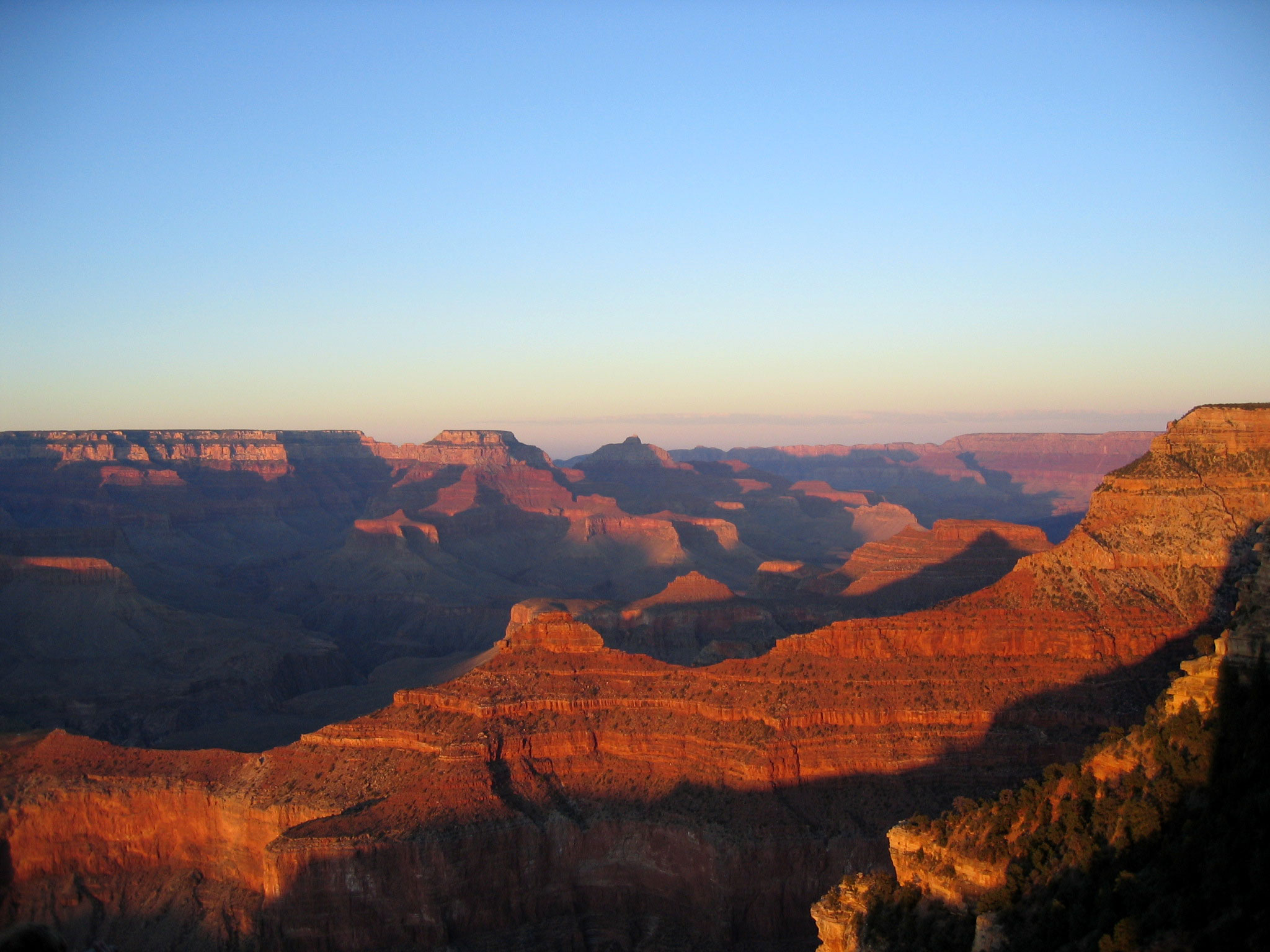
The cultural impact of the Western United States is immense, deeply embedded in the American psyche and global imagination. The archetype of the cowboy, the rugged individualist taming the frontier, has been immortalized in countless Western films, novels, and songs, shaping perceptions of American identity and masculinity. The vast, untamed landscapes of the West – from the Grand Canyon to Yosemite National Park – have inspired artists, writers, and filmmakers, becoming synonymous with freedom, adventure, and the sublime. The region is also a significant hub for counterculture movements, particularly in cities like San Francisco, which was central to the Beat Generation and the hippie movement of the 1960s. Furthermore, the West's diverse population, a blend of Hispanic and Latino, Asian, Indigenous peoples, and Anglo-American cultures, contributes to a rich tapestry of traditions, cuisines, and artistic expressions that continue to evolve and influence national culture.
⚡ Current State & Latest Developments
The Western United States is currently navigating significant demographic and environmental shifts. Rapid population growth, particularly in states like Texas, Arizona, and Colorado, is straining resources, especially water. The ongoing California drought and the increasing frequency of wildfires, such as the California wildfires of 2020, highlight the region's vulnerability to climate change. The tech sector continues to dominate the economy, with Silicon Valley remaining a global innovation hub, though rising housing costs and the shift towards remote work are altering urban dynamics. There's a growing focus on renewable energy, with states like California and Nevada leading in solar and wind power generation. The political landscape remains diverse, with a mix of conservative strongholds and progressive urban centers, making it a key battleground in national elections. The ongoing dialogue surrounding Indigenous sovereignty and land rights continues to be a critical aspect of the region's socio-political evolution.
🤔 Controversies & Debates
The Western United States is a focal point for several persistent controversies. Water rights and allocation are a perpetual source of tension, particularly concerning the Colorado River basin, where drought conditions have led to unprecedented water restrictions affecting millions. The management of public lands, including national parks and forests, is another contentious issue, with debates over resource extraction (mining, logging, oil drilling) versus conservation and recreation. Indigenous land rights and sovereignty remain a significant point of contention, with ongoing legal and political battles over treaty obligations and historical injustices. The region's rapid development also sparks debates about urban sprawl, gentrification, and the displacement of long-term residents, particularly in booming metropolitan areas like Denver and Austin. The legacy of environmental exploitation, from the Dust Bowl to current debates over fracking, continues to fuel environmental justice movements.
🔮 Future Outlook & Predictions
The future of the Western United States will likely be defined by its response to climate change and its evolving demographics. Projections indicate continued population growth, particularly in the Mountain West, placing further strain on water resources and infrastructure. Innovations in water management, desalination, and drought-resistant agriculture will be crucial for survival. The transition to renewable energy sources is expected to accelerate, potentially creating new economic opportunities but also posing challenges for traditional energy-dependent communities. The region's political landscape may continue to polarize, with urban and rural divides potentially widening. Furthermore, the increasing visibility and influence of Hispanic and Latino Americans and [[Asian American
Key Facts
- Category
- culture
- Type
- topic