
Contents
- 🖼️ What Exactly Are Virtual Exhibitions?
- 🌐 Who Benefits from Virtual Exhibitions?
- 📍 Accessing the Digital Canvas
- 💰 Pricing Models: Free to Premium
- ⭐ User Feedback & Vibe Scores
- 🆚 Virtual vs. Physical: A Comparison
- 💡 Tips for Navigating Virtual Art
- 🚀 The Future of Digital Curation
- Frequently Asked Questions
- Related Topics
Overview
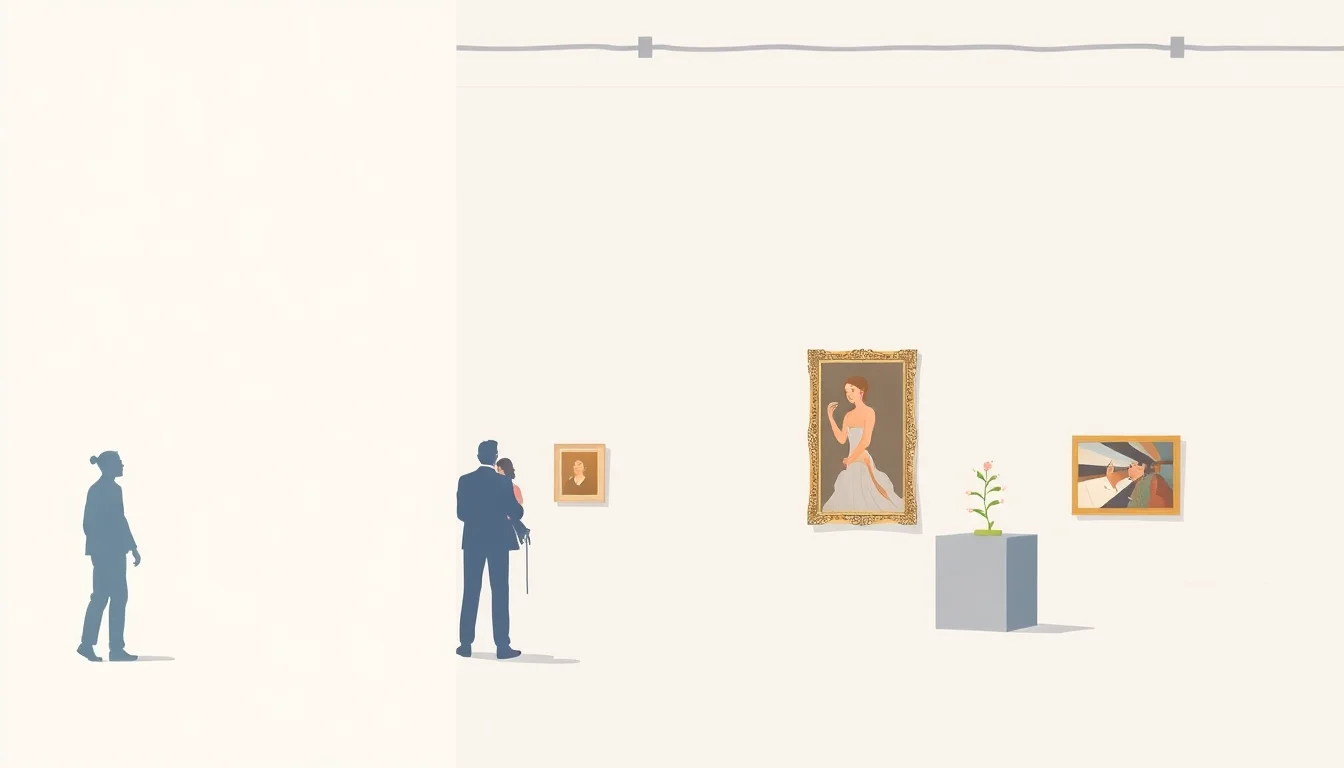
Virtual exhibitions are digital spaces designed to showcase art, artifacts, or cultural experiences online. Think of them as digital galleries, museums, or even immersive worlds, accessible from your computer or VR headset. Unlike static image galleries, these often leverage 3D modeling, interactive elements, and sometimes even AI-driven narratives to create a more engaging experience. They represent a significant evolution from early online art catalogs, offering a sense of presence and exploration previously confined to physical spaces. The technology behind them ranges from simple web interfaces to sophisticated game engine-powered environments, blurring the lines between art, technology, and entertainment.
🌐 Who Benefits from Virtual Exhibitions?
The audience for virtual exhibitions is remarkably broad. Art enthusiasts can explore collections from institutions they might never visit physically, like the Parisian institution or the Washington D.C. museum. For educators and students, they offer unparalleled access to educational resources and visual learning tools, transcending geographical limitations. Cultural heritage organizations use them to preserve and share endangered or inaccessible artifacts, reaching global audiences. Even casual internet users can stumble upon a compelling virtual exhibit, making art and culture more democratized than ever before. This accessibility is a key driver of their growing popularity.
📍 Accessing the Digital Canvas
Accessing virtual exhibitions is generally straightforward, though the method varies. Many are hosted on dedicated museum or gallery websites, often requiring no special software beyond a standard web browser. Others utilize platforms like virtual gallery builder or decentralized social VR which might involve a simple download or direct browser access. For the most immersive experiences, a VR headset like the Meta Quest or HTC Vive is recommended, transforming passive viewing into active participation. The key is to check the specific requirements of each exhibition, as some are optimized for desktop, while others truly shine in VR.
⭐ User Feedback & Vibe Scores
User feedback on virtual exhibitions is generally positive, with a growing cultural energy measurement indicating strong engagement. Visitors frequently praise the convenience and accessibility, allowing them to experience art from anywhere. The ability to zoom in on details, read extensive contextual information, and revisit exhibits at their leisure are often highlighted as major advantages. However, some users express a longing for the serendipity and social interaction of physical galleries, noting that the tactile and atmospheric elements are difficult to replicate digitally. The overall sentiment leans towards appreciation for innovation, with a clear demand for continued development in immersion and interactivity.
🆚 Virtual vs. Physical: A Comparison
Comparing virtual and physical exhibitions reveals distinct strengths. Physical spaces offer a tangible encounter with art—the texture of paint, the scale of sculpture, the ambient atmosphere of a gallery—and foster spontaneous social interaction. Virtual exhibitions excel in accessibility, global reach, and the ability to present information in dynamic, interactive ways. They can house collections too fragile or vast for physical display and allow for personalized, self-paced exploration. While virtual exhibitions can't fully replace the sensory experience of a physical visit, they offer a complementary and often more inclusive way to engage with art and culture, democratizing access on an unprecedented scale.
🚀 The Future of Digital Curation
The future of virtual exhibitions points towards increasingly sophisticated and integrated experiences. We're likely to see more AI-powered curation, where algorithms suggest personalized exhibition paths based on user behavior and preferences, akin to streaming service personalization. The integration of non-fungible tokens and blockchain technology may offer new models for ownership and provenance within digital art spaces. Furthermore, the metaverse promises persistent, interconnected virtual worlds where exhibitions can become ongoing social and cultural hubs, rather than temporary events. This evolution will challenge traditional notions of art institutions and audience engagement, pushing the boundaries of what it means to experience culture.
Key Facts
- Year
- 2020
- Origin
- The rise of virtual exhibitions began in earnest during the COVID-19 pandemic, which forced many institutions to pivot to online formats.
- Category
- Art & Culture
- Type
- Concept
Frequently Asked Questions
Do I need a VR headset to view virtual exhibitions?
Not always. Many virtual exhibitions are designed to be accessible via a standard web browser on a computer or mobile device. However, for the most immersive and interactive experiences, a VR headset is highly recommended. Platforms like social VR or specific gallery applications are often optimized for VR hardware, offering a deeper sense of presence and engagement.
How do I find virtual exhibitions related to my interests?
Start with major institutions like the NYC museum or the London institution, as they often have extensive online offerings. Websites like digital aggregator and virtual gallery builder are excellent resources for discovering a wide range of virtual shows. Following art news sites and social media accounts of museums and galleries can also alert you to new virtual exhibitions.
Are virtual exhibitions as good as physical ones?
This is a point of ongoing debate. Virtual exhibitions offer unparalleled accessibility, global reach, and interactive features that physical spaces cannot match. They allow for detailed examination of artifacts and can present information in dynamic ways. However, they often lack the sensory richness, ambient atmosphere, and spontaneous social interaction of a physical visit. The 'best' experience depends on individual preferences and the specific exhibition's design.
Can I buy art from virtual exhibitions?
Yes, many virtual exhibitions, especially those focused on contemporary art, include options to purchase artworks. This can range from direct links to artist websites or galleries to integrated e-commerce platforms. Some exhibitions may also feature digital collectibles, offering unique ownership opportunities for digital art pieces.
What is the role of AI in virtual exhibitions?
AI is increasingly being used to enhance virtual exhibitions. This includes AI-powered curation that personalizes visitor journeys, intelligent chatbots that provide information about artworks, and even AI-generated art that can be showcased. AI can also assist in the creation of 3D models and virtual environments, making the development process more efficient.
How do virtual exhibitions contribute to cultural preservation?
Virtual exhibitions play a crucial role in preserving cultural heritage by creating digital replicas of artifacts and sites that may be at risk of damage or decay. They allow for detailed documentation and provide global access to items that might otherwise be inaccessible due to location, fragility, or political restrictions. This digital archiving ensures that cultural legacies can be studied and appreciated by future generations.