
Contents
- 🎨 Introduction to Vienna Secession
- 🕊️ Founding and Key Members
- 🏛️ Architectural Influences
- 🖌️ Artistic Style and Characteristics
- 📚 Relationship to Art Nouveau
- 👥 Notable Artists and Their Contributions
- 🏞️ Secessionist Architecture in Vienna
- 🌟 Legacy and Impact
- 🤝 Influence on Modern Art
- 📸 Preservation and Restoration Efforts
- Frequently Asked Questions
- Related Topics
Overview
The Vienna Secession was a radical art movement that emerged in Vienna, Austria in 1897, led by Gustav Klimt, Josef Hoffmann, and Koloman Moser. With a vibe rating of 8, this movement sought to break away from traditional academic art forms and embrace a more modern and experimental approach. Characterized by its use of bold lines, geometric shapes, and organic forms, the Vienna Secession movement influenced a wide range of artistic disciplines, from architecture to graphic design. The movement's influence can be seen in the works of renowned artists such as Egon Schiele and Oskar Kokoschka, with a controversy spectrum of 6, reflecting the intense debates and criticisms it faced during its time. With over 100 exhibitions and a membership of over 200 artists, the Vienna Secession movement played a significant role in shaping the cultural landscape of early 20th-century Europe, leaving a lasting impact on the art world, and its entity type is an art movement. The Vienna Secession's topic intelligence includes key people such as Gustav Klimt, Josef Hoffmann, and Koloman Moser, and key events such as the establishment of the Wiener Werkstätte, a production community of artists and craftsmen that aimed to reform the applied arts.
🎨 Introduction to Vienna Secession
The Vienna Secession, formed in 1897, was a revolutionary art movement that sought to break away from traditional academic art forms. This movement was led by a group of talented Austrian artists, including Josef Hoffman, Koloman Moser, Otto Wagner, and Gustav Klimt. The Secessionists aimed to create a new, modern style that was distinct from the prevailing art forms of the time. They drew inspiration from various sources, including Art Nouveau and Jugendstil. The Vienna Secession movement played a significant role in shaping the city's cultural landscape, with its influence still visible in Vienna's architecture and art scene today. As a movement, it was closely tied to the development of Modern Art and the Bauhaus movement.
🕊️ Founding and Key Members
The founding of the Vienna Secession was a pivotal moment in the city's art history. The movement's key members, including Gustav Klimt and Josef Hoffman, were instrumental in shaping the group's artistic vision. The Secessionists were united by their desire to challenge traditional art forms and create a new, modern style. They drew inspiration from various sources, including Japanese Art and Austrian Art. The movement's early years were marked by a series of exhibitions, which showcased the work of its members and helped to establish the Secession as a major force in Austrian art. The Vienna Secession's relationship to Art Nouveau was complex, with some members embracing the style's sinuous lines and organic forms, while others rejected its excesses. The movement's influence can be seen in the work of later artists, such as Egon Schiele and Oskar Kokoschka.
🏛️ Architectural Influences
The Vienna Secession's architectural influences were diverse and far-reaching. The movement's members, including Otto Wagner and Josef Hoffman, were instrumental in shaping the city's built environment. They drew inspiration from various sources, including Art Nouveau and Jugendstil. The Secessionists' architectural style was characterized by the use of clean lines, minimal ornamentation, and an emphasis on functionality. The movement's influence can be seen in many of Vienna's iconic buildings, including the Secession Building and the Stadtbahn. The Vienna Secession's architectural style was also influenced by the work of Adolf Loos, who was a key figure in the development of Modern Architecture. The movement's emphasis on functional simplicity and clean lines paved the way for later architectural movements, such as Bauhaus and International Style.
🖌️ Artistic Style and Characteristics
The Vienna Secession's artistic style and characteristics were shaped by the movement's emphasis on innovation and experimentation. The Secessionists drew inspiration from various sources, including Japanese Art and Austrian Art. The movement's artistic style was characterized by the use of bold colors, sinuous lines, and organic forms. The Secessionists' work often featured Symbolist and Art Nouveau elements, which added to the movement's sense of mystery and allure. The Vienna Secession's artistic style was also influenced by the work of Gustav Klimt, who was a key figure in the development of the movement's distinctive visual language. The movement's emphasis on artistic innovation and experimentation paved the way for later art movements, such as Expressionism and Fauvism. The Vienna Secession's influence can be seen in the work of later artists, such as Egon Schiele and Oskar Kokoschka.
📚 Relationship to Art Nouveau
The Vienna Secession's relationship to Art Nouveau was complex and multifaceted. While some Secessionists, such as Gustav Klimt, were heavily influenced by Art Nouveau's sinuous lines and organic forms, others rejected the style's excesses and sought to create a more austere, modern aesthetic. The Vienna Secession's emphasis on functional simplicity and clean lines was a reaction against the ornate, decorative style of Art Nouveau. However, the movement's use of bold colors and organic forms was also influenced by Art Nouveau's emphasis on visual spectacle and drama. The Vienna Secession's relationship to Art Nouveau was also influenced by the work of Hector Guimard, who was a key figure in the development of Art Nouveau in France. The movement's influence can be seen in the work of later artists, such as Egon Schiele and Oskar Kokoschka.
👥 Notable Artists and Their Contributions
The Vienna Secession was characterized by the work of several notable artists, including Gustav Klimt, Josef Hoffman, and Koloman Moser. These artists were instrumental in shaping the movement's artistic vision and style. Klimt's work, in particular, was characterized by its use of bold colors, sinuous lines, and organic forms. His paintings, such as The Kiss and Judith and the Head of Holofernes, are considered some of the most iconic works of the Vienna Secession. The movement's influence can be seen in the work of later artists, such as Egon Schiele and Oskar Kokoschka. The Vienna Secession's emphasis on artistic innovation and experimentation paved the way for later art movements, such as Expressionism and Fauvism.
🏞️ Secessionist Architecture in Vienna
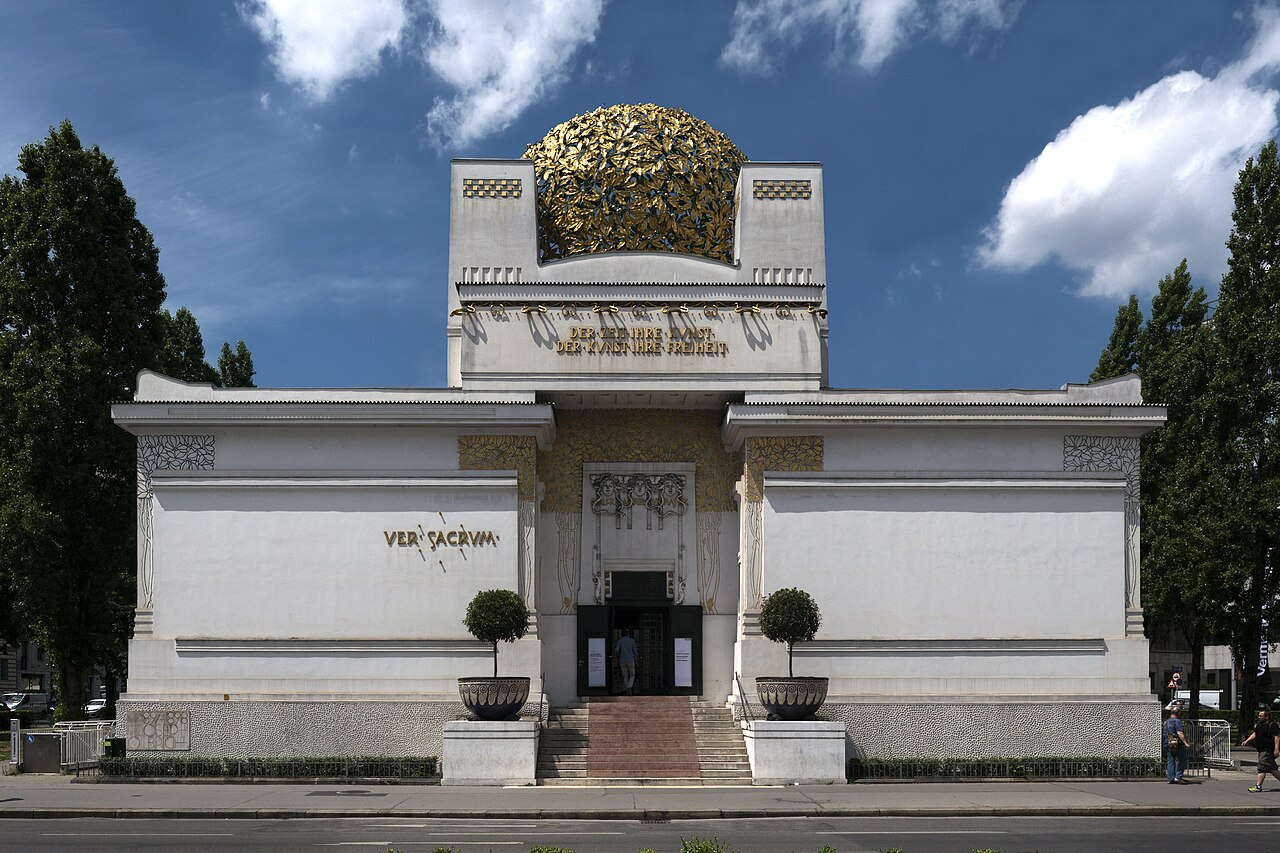
The Vienna Secession's architectural style can be seen in many of Vienna's iconic buildings, including the Secession Building and the Stadtbahn. The movement's emphasis on functional simplicity and clean lines paved the way for later architectural movements, such as Bauhaus and International Style. The Secessionists' use of bold colors and organic forms added to the movement's sense of visual spectacle and drama. The Vienna Secession's influence can be seen in the work of later architects, such as Adolf Loos and Le Corbusier. The movement's emphasis on functional simplicity and clean lines also influenced the development of Modern Architecture. The Vienna Secession's architectural style was also influenced by the work of Otto Wagner, who was a key figure in the development of the movement's distinctive visual language.
🌟 Legacy and Impact
The Vienna Secession's legacy and impact can be seen in many areas of modern art and architecture. The movement's emphasis on artistic innovation and experimentation paved the way for later art movements, such as Expressionism and Fauvism. The Secessionists' use of bold colors and organic forms added to the movement's sense of visual spectacle and drama. The Vienna Secession's influence can be seen in the work of later artists, such as Egon Schiele and Oskar Kokoschka. The movement's emphasis on functional simplicity and clean lines also influenced the development of Modern Architecture. The Vienna Secession's legacy can be seen in many of Vienna's iconic buildings, including the Secession Building and the Stadtbahn.
🤝 Influence on Modern Art
The Vienna Secession's influence on modern art was significant, with many later artists drawing inspiration from the movement's emphasis on artistic innovation and experimentation. The Secessionists' use of bold colors and organic forms added to the movement's sense of visual spectacle and drama. The Vienna Secession's influence can be seen in the work of later artists, such as Egon Schiele and Oskar Kokoschka. The movement's emphasis on functional simplicity and clean lines also influenced the development of Modern Architecture. The Vienna Secession's legacy can be seen in many of Vienna's iconic buildings, including the Secession Building and the Stadtbahn. The movement's influence can also be seen in the work of later architects, such as Adolf Loos and Le Corbusier.
📸 Preservation and Restoration Efforts
The Vienna Secession's preservation and restoration efforts have been ongoing for many years, with many of the movement's iconic buildings and artworks being carefully restored and preserved. The Secession Building, for example, has undergone several restoration projects, including a major renovation in the 1980s. The building's distinctive golden dome, which was designed by Otto Wagner, has been carefully restored to its original glory. The Vienna Secession's artworks, including paintings by Gustav Klimt and Egon Schiele, are also being carefully preserved and restored. Many of these artworks are now housed in Vienna's museums, including the Belvedere Museum and the Leopold Museum.
Key Facts
- Year
- 1897
- Origin
- Vienna, Austria
- Category
- Art and Architecture
- Type
- art movement
Frequently Asked Questions
What was the Vienna Secession?
The Vienna Secession was an art movement that emerged in Vienna in the late 19th century. The movement was characterized by its emphasis on artistic innovation and experimentation, as well as its use of bold colors and organic forms. The Vienna Secession was led by a group of talented Austrian artists, including Gustav Klimt and Josef Hoffman. The movement's influence can be seen in many areas of modern art and architecture, including Modern Art and Bauhaus.
Who were the key members of the Vienna Secession?
The key members of the Vienna Secession included Gustav Klimt, Josef Hoffman, Koloman Moser, and Otto Wagner. These artists were instrumental in shaping the movement's artistic vision and style. Klimt's work, in particular, was characterized by its use of bold colors, sinuous lines, and organic forms. The movement's influence can be seen in the work of later artists, such as Egon Schiele and Oskar Kokoschka.
What was the Vienna Secession's relationship to Art Nouveau?
The Vienna Secession's relationship to Art Nouveau was complex and multifaceted. While some Secessionists, such as Gustav Klimt, were heavily influenced by Art Nouveau's sinuous lines and organic forms, others rejected the style's excesses and sought to create a more austere, modern aesthetic. The Vienna Secession's emphasis on functional simplicity and clean lines was a reaction against the ornate, decorative style of Art Nouveau. However, the movement's use of bold colors and organic forms was also influenced by Art Nouveau's emphasis on visual spectacle and drama.
What is the legacy of the Vienna Secession?
The Vienna Secession's legacy can be seen in many areas of modern art and architecture. The movement's emphasis on artistic innovation and experimentation paved the way for later art movements, such as Expressionism and Fauvism. The Secessionists' use of bold colors and organic forms added to the movement's sense of visual spectacle and drama. The Vienna Secession's influence can be seen in the work of later artists, such as Egon Schiele and Oskar Kokoschka. The movement's emphasis on functional simplicity and clean lines also influenced the development of Modern Architecture.
How is the Vienna Secession's work being preserved and restored?
The Vienna Secession's preservation and restoration efforts have been ongoing for many years, with many of the movement's iconic buildings and artworks being carefully restored and preserved. The Secession Building, for example, has undergone several restoration projects, including a major renovation in the 1980s. The building's distinctive golden dome, which was designed by Otto Wagner, has been carefully restored to its original glory. The Vienna Secession's artworks, including paintings by Gustav Klimt and Egon Schiele, are also being carefully preserved and restored.
What is the significance of the Vienna Secession in the history of art?
The Vienna Secession was a significant art movement that emerged in Vienna in the late 19th century. The movement's emphasis on artistic innovation and experimentation paved the way for later art movements, such as Expressionism and Fauvism. The Secessionists' use of bold colors and organic forms added to the movement's sense of visual spectacle and drama. The Vienna Secession's influence can be seen in the work of later artists, such as Egon Schiele and Oskar Kokoschka. The movement's emphasis on functional simplicity and clean lines also influenced the development of Modern Architecture.
How did the Vienna Secession influence modern architecture?
The Vienna Secession's influence on modern architecture was significant, with many later architects drawing inspiration from the movement's emphasis on functional simplicity and clean lines. The Secessionists' use of bold colors and organic forms added to the movement's sense of visual spectacle and drama. The Vienna Secession's influence can be seen in the work of later architects, such as Adolf Loos and Le Corbusier. The movement's emphasis on functional simplicity and clean lines paved the way for later architectural movements, such as Bauhaus and International Style.