
Contents
- 🎵 Origins & History
- ⚙️ How It Works
- 📊 Key Facts & Numbers
- 👥 Key People & Organizations
- 🌍 Cultural Impact & Influence
- ⚡ Current State & Latest Developments
- 🤔 Controversies & Debates
- 🔮 Future Outlook & Predictions
- 💡 Practical Applications
- 📚 Related Topics & Deeper Reading
- Frequently Asked Questions
- References
- Related Topics
Overview
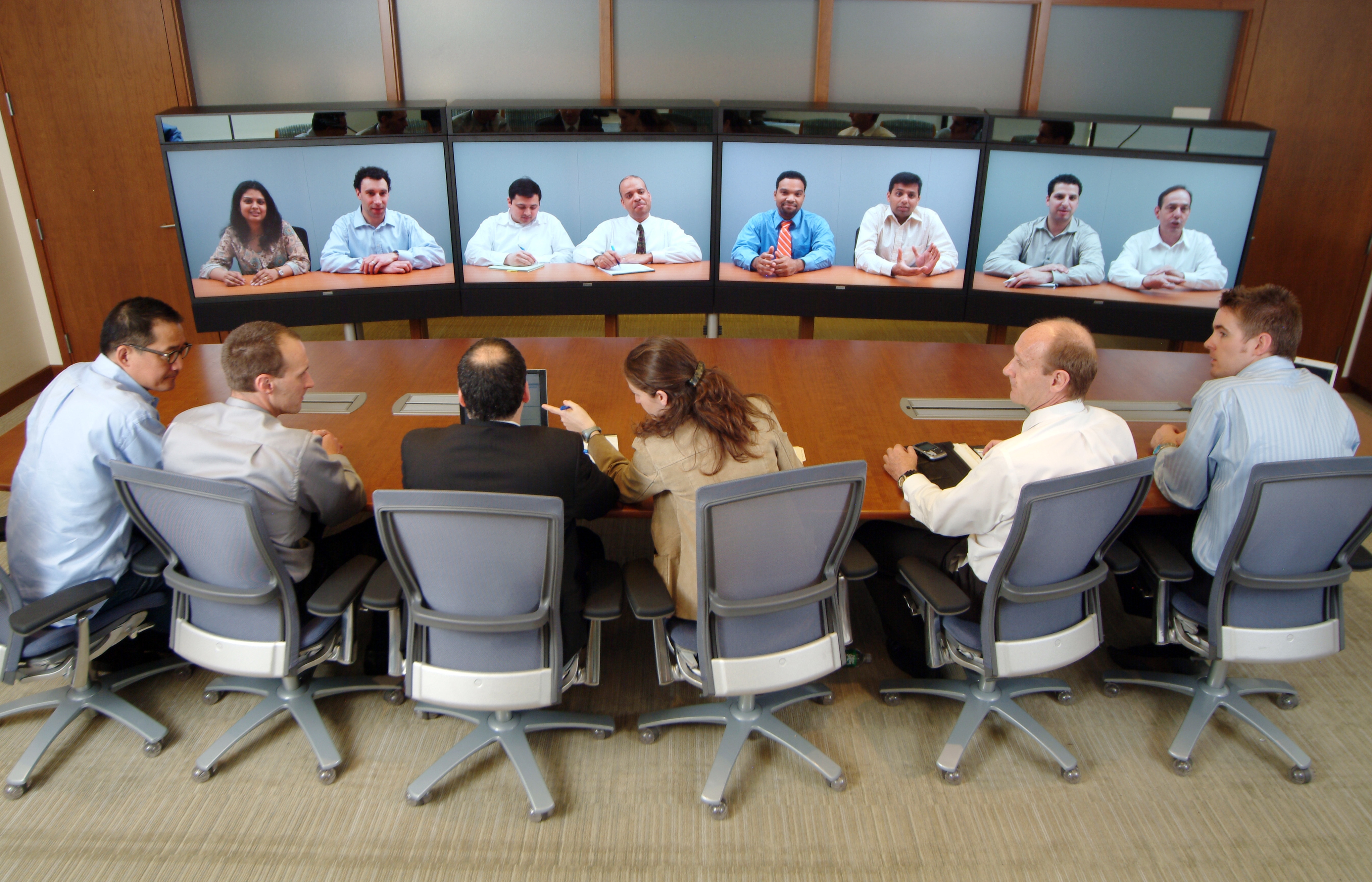
Video calls have enabled telepresence, which aims to create the illusion that remote participants are in the same room. The COVID-19 pandemic has accelerated the adoption of video calling technology. Video calls have become an essential tool for remote workers. The development of 5G networks is expected to enable faster data transfer rates and lower latency for video calls, making it possible for people to engage in more immersive and interactive video calling experiences.
🎵 Origins & History
Video calls work by using a combination of audio and video signals to enable simultaneous two-way communication. The technology uses a camera to capture video, a microphone to capture audio, and a screen to display the video. Modern video calling apps use advanced technology to provide high-quality video and audio, making it possible for people to communicate effectively.
⚙️ How It Works
Video calls have become an integral part of our daily lives, enabling people to connect with each other remotely. The technology has also enabled telepresence, which aims to create the illusion that remote participants are in the same room.
📊 Key Facts & Numbers
The COVID-19 pandemic has accelerated the adoption of video calling technology, and the market is expected to continue growing in the coming years. New technologies, such as artificial intelligence and virtual reality, are also being integrated into video calling platforms, enabling new features and capabilities.
👥 Key People & Organizations
Video calls have a wide range of practical applications, including remote work, education, and healthcare. The technology is also used for personal purposes, such as staying in touch with friends and family who live far away.
🌍 Cultural Impact & Influence
The development of 5G networks is expected to enable faster data transfer rates and lower latency for video calls, making it possible for people to engage in more immersive and interactive video calling experiences.
⚡ Current State & Latest Developments
There are several controversies and debates surrounding video calls, including concerns about privacy and security. Some people are concerned that video calls can be hacked or intercepted, and that personal data can be compromised.
🤔 Controversies & Debates
The future of video calls is expected to be shaped by advances in technology, including the development of 5G networks and the integration of artificial intelligence and virtual reality.
🔮 Future Outlook & Predictions
Related topics and deeper reading include the history of videotelephony, the development of video calling technology, and the impact of video calls on society and culture.
Key Facts
- Year
- 2021
- Origin
- United States
- Category
- technology
- Type
- technology
Frequently Asked Questions
What is videotelephony?
Videotelephony, also known as videoconferencing or video calling, is the use of audio and video for simultaneous two-way communication.
How does video calling work?
Video calling works by using a combination of audio and video signals to enable simultaneous two-way communication.
What are the benefits of video calls?
Video calls have enabled telepresence, which aims to create the illusion that remote participants are in the same room. They have also become an essential tool for remote workers.