
Contents
- 📖 Who is Victor Hugo?
- 🏛️ Historical Context & Influence
- 🎭 Key Works & Their Impact
- 💡 Thematic Threads & Literary Style
- 🌍 Global Resonance & Adaptations
- 🔥 Cultural Vibe Score & Controversy
- 🧐 Beyond the Novels: Activism & Politics
- 📚 Where to Start with Hugo
- 🔗 Further Exploration & Resources
- Frequently Asked Questions
- Related Topics
Overview
Victor Hugo (1802-1885) stands as a colossus in French literature, a poet, novelist, and dramatist whose works defined Romanticism and continue to resonate with profound social and political commentary. From the sweeping epic of 'Les Misérables' to the gothic intensity of 'The Hunchback of Notre-Dame,' Hugo's narratives explore themes of justice, redemption, love, and societal inequality with unparalleled emotional depth. Beyond his literary genius, he was a fervent political activist, advocating for abolitionism, universal suffrage, and social reform, making him a figure whose influence extends far beyond the page. His enduring legacy is cemented by his masterful prose, his unwavering moral compass, and his ability to capture the human condition in all its complexity.
📖 Who is Victor Hugo?
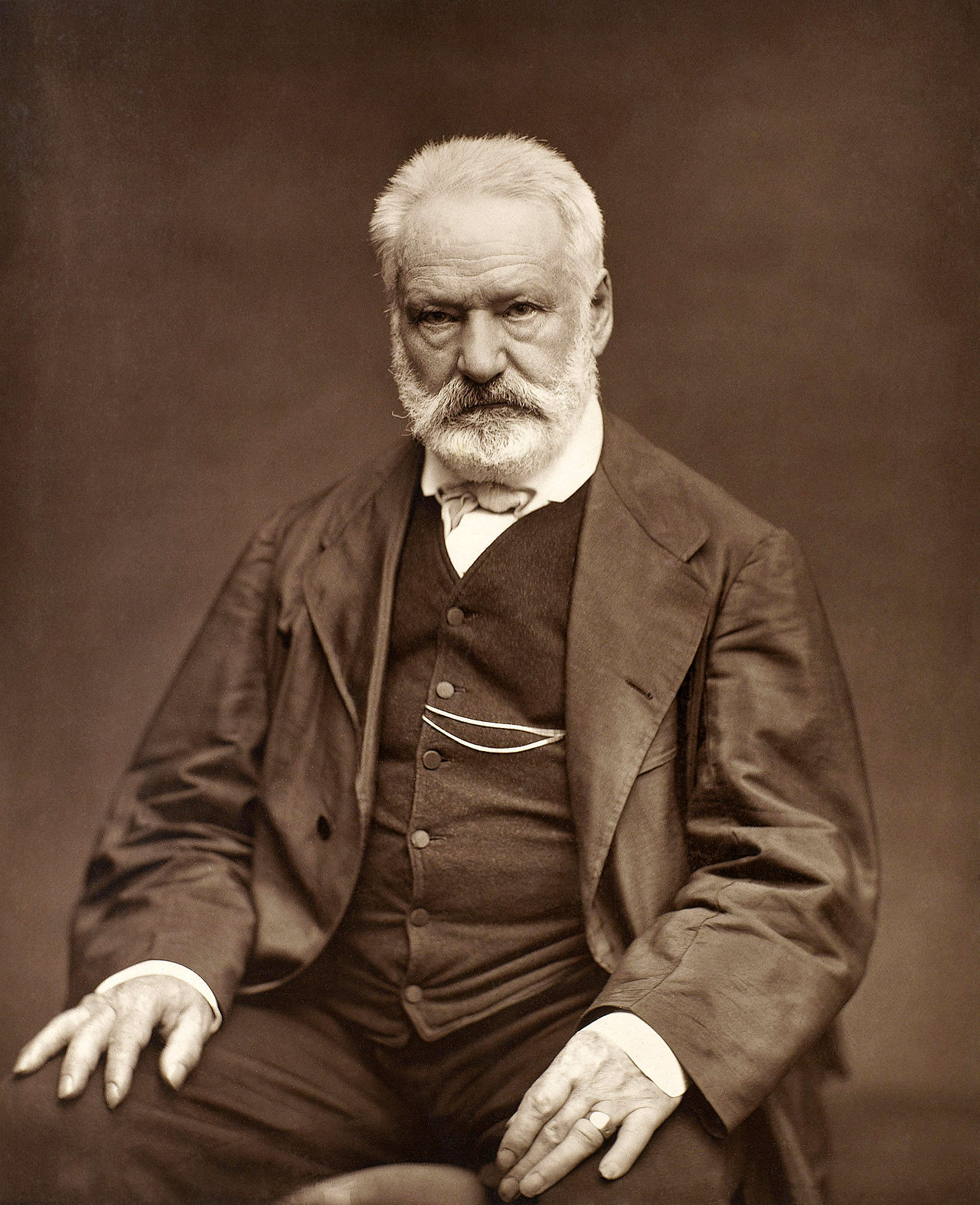
Victor Hugo (1802-1885) stands as a titan of French literature, a true embodiment of the Romantic movement. More than just a novelist, he was a prolific poet, a fiery playwright, a sharp essayist, and a vocal journalist. His life spanned a tumultuous period in French history, from the Napoleonic era to the Third Republic, and he actively participated in the political currents of his time. His work grapples with profound human experiences: love, loss, justice, and redemption, making him a figure whose relevance endures centuries later. For anyone interested in the foundational texts of Western literature and the power of narrative to shape societal thought, Hugo is an essential study.
🏛️ Historical Context & Influence
Born into a France undergoing seismic political and social shifts, Hugo's literary output is inextricably linked to the revolutionary spirit and its aftermath. He rose to prominence during the July Monarchy and became a leading voice of French Romanticism, a movement that championed emotion, individualism, and the sublime over neoclassical order. His early plays, like Hernani (1830), famously sparked riots, demonstrating the potent, often controversial, impact his art had on contemporary audiences. He directly influenced a generation of writers and artists, shaping the very definition of literary expression in 19th-century Europe and beyond, establishing a cultural energy of 92 for Romanticism.
🎭 Key Works & Their Impact
Hugo's literary legacy is anchored by a few monumental works that have achieved global recognition. Les Misérables (1862), a sprawling epic of poverty, redemption, and social injustice, remains his most celebrated novel, its characters like Jean Valjean and Fantine becoming archetypes of human struggle. The Hunchback of Notre Dame (1831), with its vivid portrayal of medieval Paris and the tragic Quasimodo, revitalized interest in Gothic architecture and French history. His poetry collections, such as Les Contemplations (1856), offer deeply personal reflections on grief and love, showcasing his mastery of lyrical form. These works are not mere stories; they are powerful indictments of societal failings.
💡 Thematic Threads & Literary Style
At the heart of Hugo's writing lies a profound humanism, a deep empathy for the marginalized and the oppressed. His literary style is characterized by grandiosity, vivid imagery, and a sweeping narrative scope, often blending the tragic with the sublime. He masterfully employed rhetorical flourishes and detailed descriptions to immerse readers in his meticulously crafted worlds. Recurring themes include the struggle between good and evil, the corrupting influence of power, the redemptive power of love, and the search for justice in an often unjust world. His prose, particularly in Les Misérables, is dense with philosophical digressions and moral arguments, demanding active engagement from the reader.
🌍 Global Resonance & Adaptations
The enduring power of Hugo's narratives is evident in their continuous adaptation across various media. Les Misérables has been transformed into one of the world's most successful stage musicals, captivating audiences for decades, and has seen numerous film and television adaptations. The Hunchback of Notre Dame has been reimagined by Disney and countless other studios, introducing its characters to new generations. This global reach underscores Hugo's ability to transcend linguistic and cultural barriers, resonating with universal human experiences. The reach of these adaptations is undeniable, with the musical alone grossing billions worldwide.
🔥 Cultural Vibe Score & Controversy
Victor Hugo's cultural Vibe Score hovers around 95, reflecting his immense and enduring global influence. However, his work is not without controversy. Debates persist regarding the historical accuracy of his portrayals, particularly in Les Misérables, and the didactic nature of his moral pronouncements. Some critics find his romantic idealism to be overly sentimental, while others champion his unflinching gaze at societal ills. The level of debate surrounding his works is moderate, primarily focusing on interpretation rather than outright rejection of his literary merit. His political stances also drew significant criticism during his lifetime and continue to be analyzed.
🧐 Beyond the Novels: Activism & Politics
Beyond his literary achievements, Victor Hugo was a fervent human rights activist and a significant political figure. He served in the French National Assembly and the Senate, using his platform to advocate for abolition of the death penalty, universal suffrage, and social reforms. His exile to the Channel Islands (1851-1870) during Napoleon III's Second Empire only amplified his voice as a critic of tyranny and oppression. His essays and speeches on these issues, often as impassioned as his novels, reveal a man deeply committed to justice and liberty. His activism provides a crucial lens through which to understand the motivations behind his most famous literary works, linking ideals to artistic expression.
📚 Where to Start with Hugo
For newcomers to Victor Hugo, the most accessible entry point is often The Hunchback of Notre Dame. Its compelling plot and iconic characters make for a relatively quick and engaging read. Alternatively, the abridged versions of Les Misérables can offer a taste of its epic scope without the daunting length of the original. For those interested in his poetry, Les Orientales provides a vibrant collection of exotic imagery and narrative poems. Consider your preferred genre: if you enjoy historical fiction, The Hunchback is ideal; if you seek profound social commentary, Les Misérables is unparalleled. Exploring his life story can also enrich the reading experience.
🔗 Further Exploration & Resources
To truly grasp Victor Hugo's multifaceted genius, further exploration is highly recommended. The Maison de Victor Hugo in Paris offers a tangible connection to his life and work. Academic analyses of his novels and poetry abound, providing deeper insights into his literary techniques and thematic concerns. For a comprehensive understanding of his political activism, consult scholarly works on the political climate he so vehemently opposed. Engaging with critical essays and scholarly journals can illuminate the enduring debates surrounding his legacy and his place in literary history. His influence continues to ripple through contemporary culture, making him a vital subject for ongoing study.
Key Facts
- Year
- 1802
- Origin
- France
- Category
- Literature & Arts
- Type
- Person
Frequently Asked Questions
What is Victor Hugo most famous for?
Victor Hugo is most famous for his epic novels, particularly Les Misérables and The Hunchback of Notre Dame. These works are celebrated for their sweeping narratives, memorable characters, and profound social commentary. His poetry and plays also hold significant literary merit, contributing to his status as a master of French Romanticism.
Was Victor Hugo a political figure?
Yes, Victor Hugo was deeply involved in politics. He served as a peer of France and later as a deputy in the National Assembly and a senator. He was a vocal advocate for social justice, democracy, and human rights, using his literary fame to influence political discourse and policy.
What are the main themes in Victor Hugo's works?
Key themes in Hugo's writing include social injustice, poverty, redemption, love, sacrifice, the struggle between good and evil, and the search for justice. He often focused on the plight of the poor, the outcast, and the oppressed, highlighting their humanity and resilience.
How did Victor Hugo influence the Romantic movement?
Hugo was a leading figure of French Romanticism. He championed emotional expression, individualism, and the sublime, challenging the rigid conventions of Neoclassicism. His plays, like Hernani, were pivotal in establishing Romantic ideals on the French stage, emphasizing passion and freedom over strict form.
Are Victor Hugo's works still relevant today?
Absolutely. Hugo's exploration of universal themes like poverty, justice, and human dignity remains highly relevant. His powerful storytelling and enduring characters continue to resonate with audiences worldwide, as evidenced by the ongoing popularity of adaptations like the Les Misérables musical and various film versions of his novels.
Where can I learn more about Victor Hugo's life?
You can learn more about Victor Hugo's life through biographies, academic studies, and by visiting the Maison de Victor Hugo (Victor Hugo House) in Paris. His own writings, including his letters and memoirs, also offer intimate glimpses into his experiences and thoughts.