
Contents
Overview
The historical trajectory of vegetarian cuisine is as varied as its ingredients, stretching back to ancient civilizations where it was often tied to spiritual practices. In India, Jainism mandated strict vegetarianism to avoid harming any living being, influencing the development of rich plant-based culinary traditions. Similarly, certain Hindu sects and Buddhist monks adopted vegetarian diets for religious reasons. In ancient Greece, figures like Pythagoras advocated for a meatless diet, linking it to philosophical purity and reincarnation beliefs. The rise of Seventh-day Adventism further propelled vegetarianism as a health-conscious lifestyle choice, with its adherents often promoting plant-based eating for physical and spiritual well-being. These historical threads demonstrate a consistent, albeit often minority, presence of vegetarianism driven by a confluence of ethics, religion, and health.
⚙️ How It Works
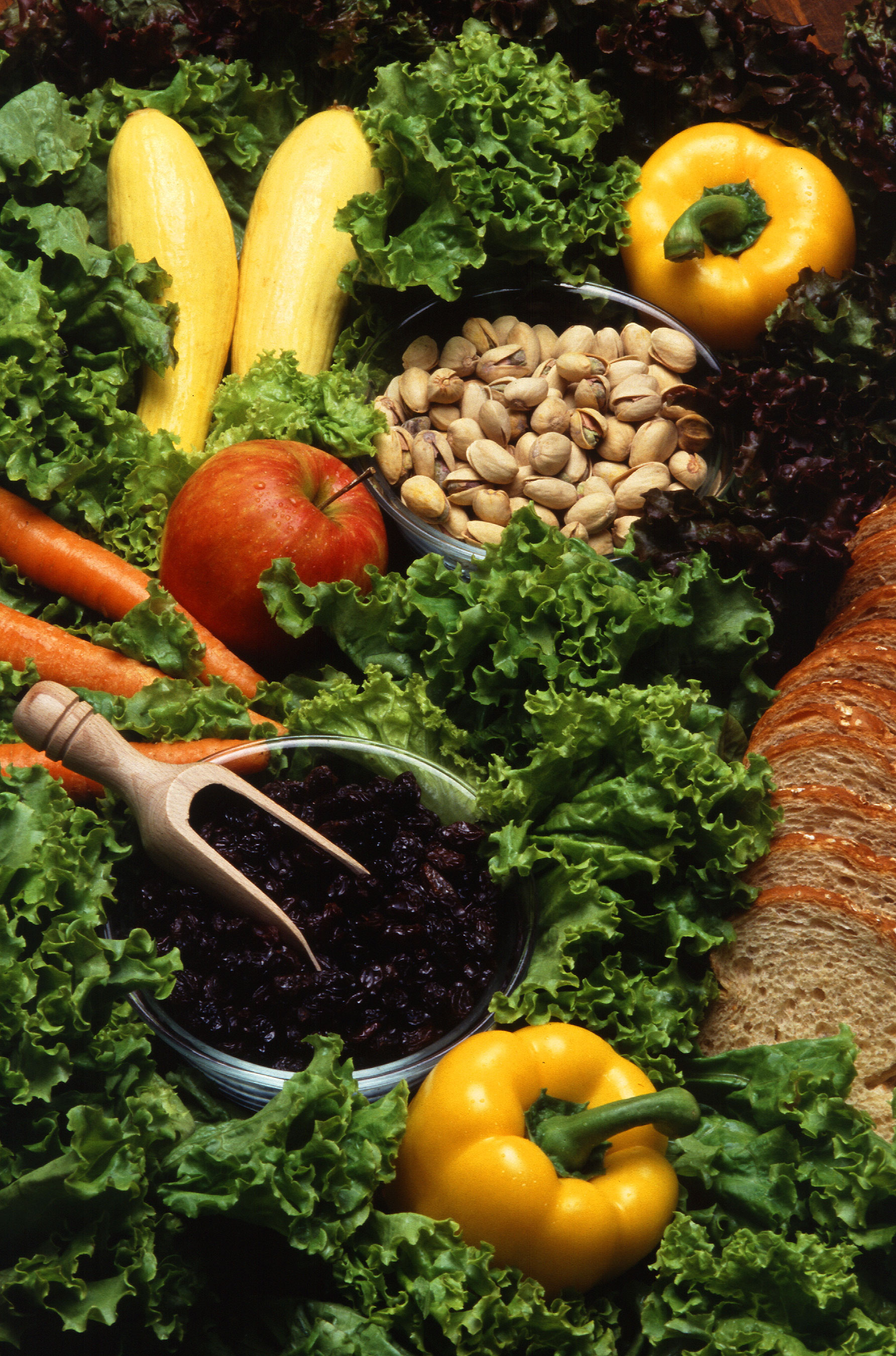
At its core, vegetarian cuisine is an art of substitution and elevation, transforming plant-based ingredients into satisfying and complex dishes. It relies on a deep understanding of flavor profiles, textures, and cooking techniques to create meals that are both nutritious and delicious without animal flesh. Legumes like lentils and chickpeas provide protein and heartiness, often forming the base of stews, curries, and patties. Grains such as rice, quinoa, and barley offer carbohydrates and structure. Nuts and seeds contribute healthy fats, crunch, and richness, while a vast array of vegetables and fruits provide vitamins, minerals, and vibrant flavors. Dairy products like cheese and yogurt, and eggs, are often incorporated to add creaminess, binding, and umami, distinguishing lacto-ovo vegetarianism from stricter forms like veganism, which eschews all animal derivatives.
📊 Key Facts & Numbers
The scale of vegetarianism is substantial and growing. The demand for meat alternatives, a key component of modern vegetarian cuisine, is also booming. This economic surge underscores the mainstreaming of vegetarian eating habits.
👥 Key People & Organizations
Numerous individuals and organizations have championed vegetarian cuisine, shaping its perception and accessibility. Anna Kingsford, a physician and advocate for animal rights, was a prominent proponent of vegetarianism in Victorian England. In the 20th century, Mahatma Gandhi integrated vegetarian principles into his philosophy of non-violence (ahimsa), influencing millions. Modern figures like Alice Waters, a pioneer of farm-to-table dining, have consistently highlighted the importance of fresh, seasonal vegetables. Organizations such as the Vegetarian Society and the North American Vegetarian Society actively promote vegetarianism through education and advocacy. The proliferation of plant-based food companies like Beyond Meat and Impossible Foods has also been instrumental in bringing innovative vegetarian products to the mass market.
🌍 Cultural Impact & Influence
Vegetarian cuisine has profoundly influenced global food culture, shifting perceptions of what constitutes a complete and satisfying meal. It has spurred innovation in culinary arts, leading to sophisticated dishes that rival their meat-based counterparts in complexity and appeal. The rise of vegetarianism has also driven demand for diverse ingredients, promoting the cultivation and global trade of items like avocado, kale, and exotic spices. Furthermore, it has fostered a greater awareness of the environmental impact of food choices, with plant-based diets often cited as having a lower carbon footprint than meat-heavy diets. This cultural shift is evident in the mainstreaming of vegetarian options in restaurants, supermarkets, and even fast-food chains worldwide, reflecting a broader societal engagement with health, ethics, and sustainability.
⚡ Current State & Latest Developments
The current landscape of vegetarian cuisine is dynamic, characterized by innovation and increasing mainstream acceptance. Restaurants globally are expanding their vegetarian and vegan menus, moving beyond tokenistic offerings to create dedicated, high-quality plant-based dishes. The development of sophisticated meat alternatives, mimicking the taste and texture of animal products, has been a major driver, with companies like Impossible Foods and Beyond Meat leading the charge. Home cooking is also seeing a surge in vegetarian experimentation, fueled by online recipe platforms, cooking shows, and social media trends. The focus is increasingly on whole foods and less on processed alternatives, with a growing interest in ancient grains, fermented foods, and diverse vegetable preparations. The market for plant-based dairy alternatives, from oat milk to almond milk, has also exploded, becoming commonplace in cafes and kitchens.
🤔 Controversies & Debates
Despite its growing popularity, vegetarian cuisine is not without its controversies and debates. A persistent debate centers on nutritional adequacy, particularly regarding vitamin B12, iron, and omega-3 fatty acids, with critics questioning whether plant-based diets can provide all necessary nutrients without careful planning or supplementation. The environmental claims of some plant-based alternatives are also scrutinized; while generally lower in impact than meat, the production of certain ingredients like almonds can be water-intensive, and the processing of some meat substitutes raises questions about their overall sustainability. Ethical debates also arise concerning the sourcing of ingredients, such as palm oil, which has been linked to deforestation. Furthermore, the perception of vegetarian food as merely 'rabbit food' or an ascetic choice persists in some cultural contexts, creating social friction.
🔮 Future Outlook & Predictions
The future of vegetarian cuisine appears robust, driven by converging trends in health, environmental consciousness, and technological innovation. Experts predict continued growth in the plant-based food market, with further advancements in creating meat and dairy analogues that are indistinguishable from their animal-based counterparts. We can anticipate a greater integration of vegetarian options into mainstream dining, potentially leading to a significant reduction in global meat consumption. Culinary innovation will likely focus on maximizing flavor and texture from whole, minimally processed plant ingredients, exploring underutilized vegetables and ancient grains. The development of precision fermentation and cellular agriculture may also offer new avenues for creating complex vegetarian ingredients. The challenge will be to ensure accessibility and affordability, making nutritious vegetarian options available to all demographics.
💡 Practical Applications
Vegetarian cuisine finds practical application across numerous domains, from personal health to global food systems. For individuals, it offers a pathway to improved health outcomes, with studies linking vegetarian diets to lower risks of heart disease, type 2 diabetes, and certain cancers. In the culinary industry, it has spurred the creation of innovative menus and specialized restaurants, catering to a growing demand. The food technology sector is heavily invested in developing new plant-based products, from meat alternatives to dairy-free cheeses, impacting grocery stores and food service. Furthermore, vegetarian principles are applied in institutional settings, such as hospitals and schools, aiming to provide healthier and more sustainable meal options. The growing popularity of vegetarian cooking classes and online resources al
Key Facts
- Category
- culture
- Type
- topic