
Contents
Overview
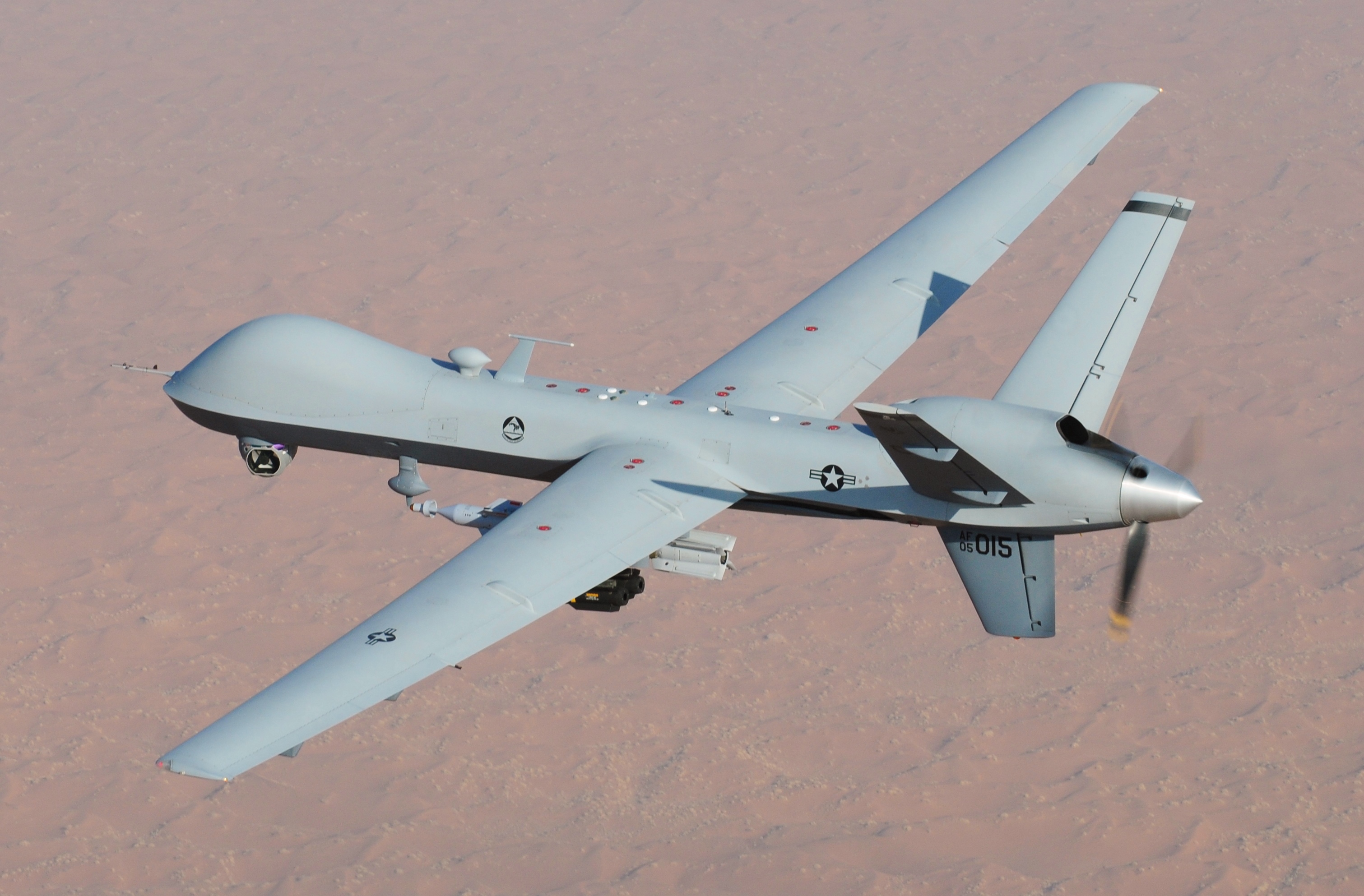
An Unmanned Aerial Vehicle (UAV), more commonly known as a drone, is an aircraft that operates without a human pilot or crew onboard, controlled either remotely or autonomously. Initially developed for military applications deemed too hazardous for humans, UAVs have since proliferated into a vast array of civilian sectors. Their evolution from niche military tools to ubiquitous devices is a testament to advancements in control systems, sensor technology, and miniaturization. Today, UAVs are indispensable for tasks ranging from aerial surveillance and precision agriculture to package delivery and entertainment, fundamentally reshaping industries and raising new questions about privacy and airspace management. The global market for drones is projected to reach hundreds of billions of dollars within the next decade, underscoring their profound economic and societal impact.
🎵 Origins & History
The concept of pilotless aircraft dates back to the early 20th century. The Cold War era saw significant development in reconnaissance drones. Advancements in GPS, miniaturized sensors, and digital communication technologies made UAVs more capable and cost-effective in the late 20th and early 21st centuries, paving the way for their widespread adoption beyond military confines.
⚙️ How It Works
At its core, a UAV operates using a combination of onboard sensors, a flight control system, and a communication link. The flight control system, often a sophisticated autopilot, processes data from GPS receivers, inertial measurement units (IMUs), barometers, and other sensors to maintain stability and execute programmed flight paths or remote commands. Communication links, typically using radio frequencies or satellite uplinks, transmit control signals from a ground station or remote pilot and relay telemetry data, including video feeds and sensor readings, back to the operator. For autonomous operations, AI algorithms process sensor data to make real-time decisions, enabling tasks like obstacle avoidance and target identification without human intervention.
📊 Key Facts & Numbers
The global UAV market is experiencing explosive growth. The Federal Aviation Administration (FAA) oversees drone airspace in the United States. Military UAVs account for a significant portion of the UAV market. Civilian applications are rapidly catching up. The average cost of a commercial drone can range from a few hundred dollars for basic models to tens of thousands for advanced industrial platforms.
👥 Key People & Organizations
Key figures in the development and popularization of UAVs include Elon Musk, whose company SpaceX is exploring advanced drone capabilities for various applications, including satellite deployment and future transportation. Organizations like the Association for Unmanned Vehicle Systems International (AUVSI) play a crucial role in advocating for the industry and setting standards. Major manufacturers such as DJI are at the forefront of technological innovation, producing everything from consumer-grade quadcopters to sophisticated military reconnaissance platforms.
🌍 Cultural Impact & Influence
UAVs have profoundly impacted culture and society, moving from the realm of military operations to everyday life. The proliferation of consumer drones has democratized aerial photography and videography, enabling creators to capture stunning perspectives previously accessible only to professionals with helicopters or specialized aircraft. This has fueled a surge in user-generated content on platforms like YouTube and Instagram. Furthermore, the emergence of drone racing as a competitive sport, broadcast globally, highlights the entertainment potential of these machines. However, their increasing presence has also sparked cultural conversations around privacy and surveillance, as seen in debates surrounding their use by law enforcement and in public spaces.
⚡ Current State & Latest Developments
The current landscape of UAV technology is characterized by rapid innovation and expanding applications. Companies like Z-Axis Drones are pushing the boundaries of payload capacity for industrial applications, while Amazon continues to test and refine its Prime Air drone delivery service. Regulatory bodies worldwide, including the European Union Aviation Safety Agency (EASA) in Europe, are actively developing frameworks to manage the growing number of UAV operations, addressing concerns about safety, security, and air traffic management. The development of counter-UAV systems is also a significant area of current research and deployment.
🤔 Controversies & Debates
The integration of UAVs into civilian airspace is fraught with controversy. The potential for misuse, such as smuggling contraband or conducting unauthorized reconnaissance, also presents significant challenges for law enforcement and national security. Ethical debates surround the use of armed drones in warfare, particularly concerning civilian casualties and accountability. Unmanned Traffic Management (UTM) systems are being developed to prevent incidents, leading to ongoing discussions about airspace management and deconfliction protocols. The debate over whether drones should be regulated more strictly or allowed to operate with fewer restrictions remains a contentious issue.
🔮 Future Outlook & Predictions
The future of UAVs promises even greater integration into daily life and critical infrastructure. Experts predict a surge in autonomous delivery services, with drones becoming a common sight for package and food delivery, potentially reducing traffic congestion and delivery times. Advanced AI will enable more complex autonomous missions, including infrastructure inspection, search and rescue operations in hazardous environments, and precision environmental monitoring. The development of Urban Air Mobility (UAM) concepts, often referred to as 'flying taxis,' envisions larger, passenger-carrying UAVs operating within cities. Challenges remain in battery technology, regulatory frameworks, and public acceptance, but the trajectory points towards a future where UAVs are an indispensable part of our technological ecosystem, potentially even integrated into personal transportation networks by the 2030s.
💡 Practical Applications
The practical applications of UAVs are vast and continually expanding. In agriculture, drones equipped with multispectral sensors enable precision farming, optimizing irrigation and fertilization, and monitoring crop health with remarkable accuracy. The energy sector utilizes UAVs for inspecting power lines, wind turbines, and pipelines, reducing the need for dangerous manual inspections. In public safety, law enforcement and emergency services employ drones for search and rescue, accident scene reconstruction, and monitoring large crowds. Construction companies use them for site surveying and progress monitoring, while filmmakers leverage their ability to capture dynamic aerial footage. Even the entertainment industry has embraced them for light shows and competitive racing, demonstrating their versatility across numerous domains.
Key Facts
- Category
- technology
- Type
- topic