
Contents
Overview
The genesis of tribal storytelling is inextricably linked to the dawn of human consciousness. Long before the advent of writing systems, oral traditions were the primary means by which early human societies, including countless Indigenous peoples across the globe, preserved their collective memory, understanding of the natural world, and spiritual beliefs. Early forms of storytelling likely involved simple mimetic actions and vocalizations, evolving into sophisticated oral epics, myths, and legends passed down through generations. The establishment of permanent settlements and the development of complex social structures further cemented the role of storytelling in defining group identity and transmitting vital knowledge for survival and social harmony, forming the bedrock of cultures from the Aboriginal Australians to the Native American tribes of North America.
⚙️ How It Works
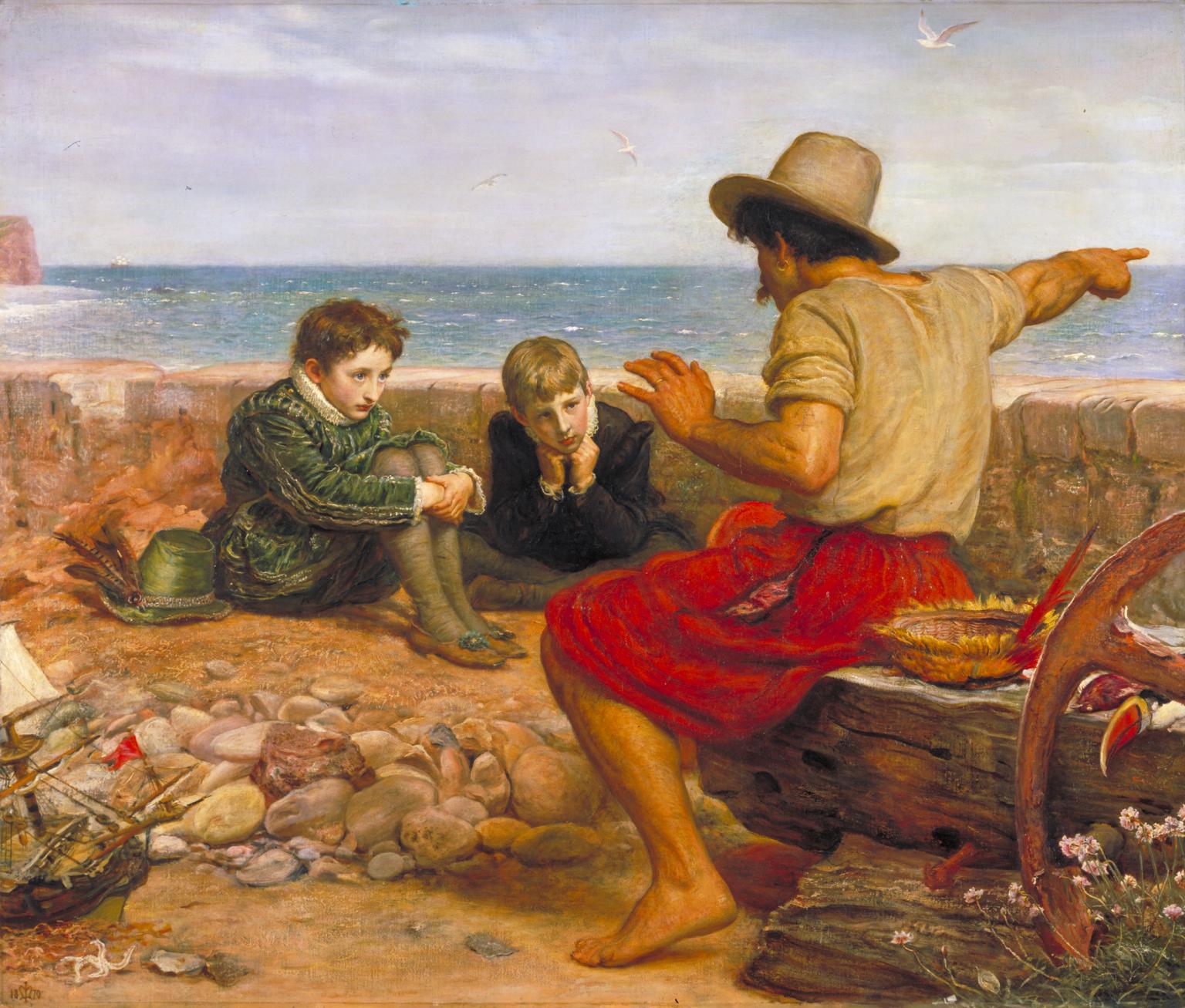
Tribal storytelling operates through a sophisticated interplay of oral delivery, performance, and communal reception. Storytellers, often elders or designated knowledge keepers, utilize a rich palette of vocal intonation, gestures, and sometimes music or dance to bring narratives to life. The structure of these stories can vary widely, from cyclical narratives that reflect natural rhythms to linear plots that convey specific lessons. Key elements often include archetypal characters, symbolic imagery, and a deep connection to the land and its spirits. The act of telling is frequently a communal event, occurring during specific ceremonies, seasonal gatherings, or around a fire, fostering a shared experience that reinforces social bonds and collective understanding. The listener's role is active; they are not passive recipients but participants who engage with the story's meaning, often through questions or reflections, ensuring the narrative's continued relevance and interpretation within the community, a process vital for cultural transmission.
📊 Key Facts & Numbers
Estimates suggest that prior to widespread literacy and the dominance of written texts, oral traditions were a significant means of knowledge transmission in many societies. Over 4,000 distinct Indigenous languages are reportedly still spoken globally, each carrying its own unique corpus of stories, with many languages containing thousands of individual narratives. A single creation myth, like the Haudenosaunee creation story, can contain hundreds of intricate details and characters, requiring hours to recount fully. Studies by linguists and anthropologists have cataloged millions of folktales worldwide, with a significant portion originating from Indigenous oral traditions, underscoring the sheer scale of this narrative heritage. The average lifespan of an oral tradition, when actively maintained, can span millennia, far exceeding the typical lifespan of written documents.
👥 Key People & Organizations
Key figures in tribal storytelling are often elders and spiritual leaders who have dedicated their lives to preserving and sharing their people's narratives. Organizations such as the Indigenous Storytelling Initiative and the First Nations Child and Family Caring Society in Canada play crucial roles in supporting and promoting Indigenous storytellers and their work. Contemporary Indigenous authors and filmmakers, such as Thomas King and Alanis Obomsawin, continue this legacy by weaving traditional storytelling elements into modern literary and cinematic forms, ensuring their stories reach broader audiences.
🌍 Cultural Impact & Influence
The influence of tribal storytelling extends far beyond the communities that originated it, permeating global culture in profound ways. Its narrative structures, archetypal characters, and deep ecological themes have inspired countless works of literature, film, and art. The concept of the hero's journey draws heavily on patterns found in Indigenous myths and epics. Furthermore, the emphasis on interconnectedness and respect for nature inherent in many tribal narratives has fueled contemporary environmental movements and sustainability initiatives. The resurgence of interest in Indigenous languages and cultures, often spearheaded by storytellers, is a testament to the enduring power of these traditions to foster identity, resilience, and a sense of belonging in an increasingly fragmented world, influencing everything from Indigenous rights movements to popular fantasy literature.
⚡ Current State & Latest Developments
In the present day, tribal storytelling is experiencing a powerful renaissance, driven by a renewed commitment within Indigenous communities to reclaim and revitalize their ancestral narratives. Digital technologies, once seen as a threat, are now being embraced as tools for preservation and dissemination. Online archives, podcasts, and social media platforms are enabling storytellers to reach global audiences and connect with younger generations. Initiatives like the Indigenous Languages Act in Canada and similar efforts worldwide aim to support the transmission of traditional languages, which are intrinsically linked to storytelling. Contemporary storytellers are also increasingly engaging with complex issues such as climate change, social justice, and decolonization, using traditional narrative forms to address modern challenges and advocate for their communities, demonstrating the adaptability of these ancient forms. The Canadian Museum of History and institutions like the Smithsonian National Museum of the American Indian are also actively showcasing and supporting contemporary Indigenous storytelling.
🤔 Controversies & Debates
Tribal storytelling faces significant controversies, primarily stemming from the historical suppression of Indigenous cultures and languages by colonial powers. The appropriation of Indigenous stories by non-Indigenous individuals and industries without proper attribution or respect for their cultural context remains a persistent issue, often leading to the dilution or misrepresentation of sacred narratives. Debates also arise regarding the ethics of documenting and sharing certain stories, particularly those considered sacred or restricted to specific individuals or ceremonies. Furthermore, the ongoing struggle for Indigenous sovereignty and land rights is deeply intertwined with the preservation of cultural narratives, as these stories often contain vital historical claims and ecological knowledge that colonial systems have sought to erase. The question of who has the authority to tell and interpret these stories, and for what purpose, is a continuous point of discussion within both Indigenous communities and academic circles, impacting how cultural heritage is managed and protected.
🔮 Future Outlook & Predictions
The future of tribal storytelling appears robust, characterized by innovation and a growing global appreciation for its depth and wisdom. As Indigenous communities continue to assert their cultural sovereignty, storytelling will undoubtedly play an even more central role in shaping identity
Key Facts
- Category
- culture
- Type
- topic