
Contents
- 🏛️ The Grand Overview: More Than Just a Temple
- 📍 Location & Access: Navigating Nara's Heart
- ⏰ Hours & Visiting Tips: Timing Your Pilgrimage
- 💰 Pricing & Plans: Entry Fees and Donations
- 🌟 What People Say: Vibe Scores and Visitor Sentiment
- 🆚 Comparisons: Todai-ji vs. Other Great Temples
- 💡 Practical Tips for Your Visit: Maximize the Experience
- 🗺️ Getting There: Transportation Options
- ✨ Beyond the Main Hall: Exploring the Grounds
- 📜 A Glimpse into History: Origins and Reconstructions
- 🤔 The Big Debate: Authenticity and Restoration
- Frequently Asked Questions
- Related Topics
Overview
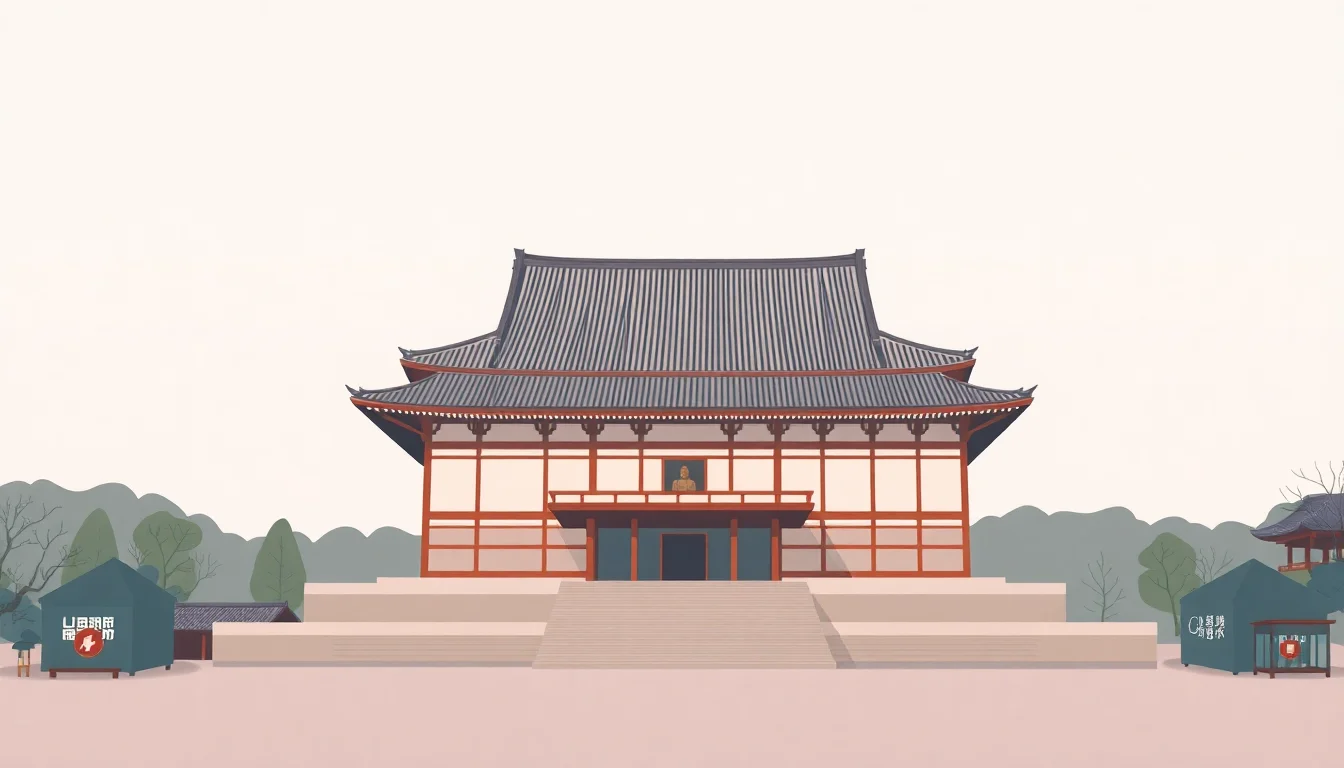
Todai-ji Temple, located in Nara, Japan, is a UNESCO World Heritage site renowned for its colossal bronze statue of the Buddha (Daibutsu) and its historically significant Great Buddha Hall (Daibutsuden). Originally founded in 738 CE by Emperor Shomu, it served as the head temple of all provincial Buddhist temples in Japan, symbolizing the state's power and the emperor's devotion to Buddhism. The current Daibutsuden, rebuilt in 1709, is one of the world's largest wooden buildings, a testament to incredible engineering and architectural ambition. Beyond its sheer scale, Todai-ji is a vibrant center of Buddhist practice and a major tourist destination, attracting millions annually to witness its grandeur and connect with centuries of Japanese history and spirituality.
🏛️ The Grand Overview: More Than Just a Temple
Todai-ji Temple, nestled in the ancient capital of Nara, isn't just another religious site; it's a colossal testament to Japan's historical and architectural ambition. Founded in 738 AD by Emperor Shomu, its primary draw is the Great Buddha Hall, one of the world's largest wooden buildings, housing a monumental bronze statue of the Vairocana Buddha. This isn't a place for quiet contemplation alone; it's an immersive encounter with scale, history, and a vibrant cultural energy that draws millions annually. For anyone interested in Japanese Buddhism, monumental architecture, or the sheer audacity of ancient engineering, Todai-ji is an unmissable destination.
⏰ Hours & Visiting Tips: Timing Your Pilgrimage
Todai-ji is generally open daily from 8:00 AM to 5:00 PM, though hours can vary slightly with the seasons. The Daibutsuden hall typically closes around 4:30 PM or 5:00 PM. To truly appreciate the scale without the densest crowds, aim for an early morning visit, especially on weekdays. The surrounding park is accessible much later, allowing for evening strolls. Be aware that during major Japanese holidays like Obon or Golden Week, expect significantly larger crowds, which can impact your experience of the temple's grandeur.
💰 Pricing & Plans: Entry Fees and Donations
Entry to the Nara Park grounds is free, allowing you to wander and admire the exterior of the Daibutsuden and the surrounding pagodas. However, to enter the Daibutsuden hall and witness the Great Buddha, there is an admission fee. As of recent reports, this fee is around ¥600 for adults. Access to the Todai-ji Museum, which houses important cultural artifacts, requires a separate ticket, often bundled with the Daibutsuden entry. Donations are always welcome and contribute to the ongoing preservation of this UNESCO World Heritage site.
🌟 What People Say: Vibe Scores and Visitor Sentiment
Todai-ji consistently garners high marks for its historical significance and awe-inspiring scale, often achieving a Vibe Score of 85/100 for cultural immersion. Visitors frequently praise the sheer size of the Daibutsuden and the palpable sense of history. However, some reviews mention the crowds, particularly around the pillar with a hole, which can detract from a serene experience. The deer in Nara Park also add a unique, albeit sometimes chaotic, element to the overall visit. The general sentiment is overwhelmingly positive, highlighting its status as a must-see UNESCO World Heritage Site.
🆚 Comparisons: Todai-ji vs. Other Great Temples
When comparing Todai-ji to other major Japanese temples, its sheer scale is its most distinguishing feature. While Kinkaku-ji (the Golden Pavilion) in Kyoto dazzles with its aesthetic beauty and Fushimi Inari-taisha captivates with its thousands of vermillion gates, Todai-ji offers a different kind of impact – one of monumental presence. Senso-ji in Tokyo, while ancient, feels more integrated into a bustling urban environment. Todai-ji's setting within Nara Park, surrounded by nature and deer, provides a unique blend of spiritual grandeur and natural charm unmatched by its urban counterparts.
💡 Practical Tips for Your Visit: Maximize the Experience
To make the most of your visit, wear comfortable shoes as you'll be doing a lot of walking. Consider bringing a small towel, especially in warmer months, as the humidity can be high. If you're interested in the history, an audio guide or a knowledgeable local guide can significantly enhance your understanding of the temple's complex past and the significance of its various structures. Don't miss the opportunity to try and squeeze through the pillar hole at the base of the Daibutsuden – legend says it grants wisdom, though it's a tight fit for many adults! Also, be mindful of the deer; while generally docile, they can be persistent if they sense food.
🗺️ Getting There: Transportation Options
Reaching Todai-ji is part of the Nara experience. From Osaka or Kyoto, the most convenient way is by train. The JR Nara Line from Kyoto Station takes about 45 minutes to JR Nara Station. From Osaka, you can take the JR Yamatoji Line to JR Nara Station or the Kintetsu Nara Line from Osaka Namba Station to Kintetsu Nara Station, which is slightly closer to the park. Once you arrive at either station, local buses are available, or you can enjoy a pleasant walk through the city and park. Taxis are also an option, though less economical for solo travelers.
✨ Beyond the Main Hall: Exploring the Grounds
Beyond the imposing Daibutsuden, Todai-ji's grounds offer much to explore. The Nigatsu-do Hall, perched on a hillside, provides panoramic views of Nara and is known for its Omizutori water purification ceremony held annually in March. The Sangatsu-do Hall (also known as the Hokkedo) is one of the oldest structures on the site, dating back to 749 AD, and houses exquisite Buddhist statues. Don't overlook the Todai-ji Museum, which offers a deeper dive into the temple's treasures, including the original casting molds for the Great Buddha's nose. The surrounding Nara Park itself is a destination, perfect for picnicking and interacting with the famous deer.
📜 A Glimpse into History: Origins and Reconstructions
The origins of Todai-ji are deeply intertwined with the reign of Emperor Shomu, who sought to unify the nation through Buddhism and commissioned the construction of this grand temple as the head of all provincial Buddhist temples in Japan. The original Daibutsuden, completed in 752 AD, was significantly larger than the current structure. The temple has endured fires, earthquakes, and conflicts, leading to multiple reconstructions. The present Daibutsuden was rebuilt in 1709, though it is still an impressive two-thirds the size of the original, a testament to the enduring spirit and architectural prowess of its builders. The continuous cycle of destruction and rebuilding highlights the temple's resilience and its evolving place in Japanese history.
🤔 The Big Debate: Authenticity and Restoration
A significant point of discussion surrounding Todai-ji revolves around the authenticity of its current structures versus its historical grandeur. While the Daibutsuden is a marvel of Edo-period reconstruction, it is not the original building that housed the first Great Buddha. Debates often arise regarding the extent to which modern restorations accurately reflect the original designs and materials, especially concerning the scale of the original Daibutsuden. Furthermore, the ongoing management of the wild deer population within Nara Park and their interaction with the temple grounds is a perpetual topic of discussion among conservationists and cultural heritage managers, balancing natural coexistence with preservation efforts.
Key Facts
- Year
- 738
- Origin
- Nara, Japan
- Category
- Cultural Heritage Site
- Type
- Temple
Frequently Asked Questions
What is the best time of year to visit Todai-ji?
Spring (March-May) and Autumn (September-November) offer the most pleasant weather for exploring Todai-ji and Nara Park. Cherry blossoms in spring and vibrant foliage in autumn add to the scenic beauty. Summer can be hot and humid, while winter can be cold, though it offers fewer crowds. Avoid major Japanese holidays if you prefer a less crowded experience.
Are the deer in Nara Park dangerous?
The deer in Nara Park are generally accustomed to humans and are not inherently aggressive. However, they are wild animals and can become protective of their food or startled. It's advisable not to feed them unless you purchase special deer crackers ('shika senbei') from vendors, and always supervise children. Avoid sudden movements or loud noises that might agitate them.
Can I take photos inside the Daibutsuden?
Photography is generally permitted inside the Daibutsuden hall, but without flash. Be respectful of other visitors and the sacred nature of the site. Some areas or specific artifacts within the temple complex or museum might have restrictions, so always look for signage.
How much time should I allocate for a visit?
To fully appreciate Todai-ji and its surroundings, including the Daibutsuden, the museum, and a walk through Nara Park, allocate at least 3-4 hours. If you plan to explore other temples or attractions in Nara, you might need a full day.
Is Todai-ji accessible for people with mobility issues?
The main paths within Nara Park and around the Daibutsuden are relatively flat and paved, making them somewhat accessible. However, some of the older structures and the hilly terrain of the park can present challenges. The interior of the Daibutsuden has a wooden floor that might be uneven. It's advisable to check with the temple directly for the most up-to-date accessibility information.
What is the significance of the pillar with a hole at Todai-ji?
At the base of the Daibutsuden, there is a wooden pillar with a hole, roughly the size of a nostril. Legend has it that if a person can squeeze through this hole, they will be granted wisdom and enlightenment in their next life. It's a popular, albeit challenging, activity for visitors, symbolizing overcoming obstacles and achieving spiritual insight.