
Contents
Overview
Tire quality is a multifaceted assessment encompassing treadwear resistance, traction capabilities, and heat dissipation, crucial for vehicle safety, performance, and longevity. The Uniform Tire Quality Grading (UTQG) system provides consumers with a comparative metric for treadwear, traction, and temperature resistance. However, the UTQG's limitations, particularly its self-testing nature for treadwear, have led to ongoing debates and the development of alternative or supplementary testing protocols by manufacturers and independent bodies. Understanding these metrics is paramount for making informed purchasing decisions, impacting everything from fuel efficiency and braking distance to overall driving experience and tire lifespan, with global standards like ECE regulations also playing a significant role in market access and safety assurance.
🎵 Origins & History
The concept of standardized tire quality assessment gained traction in the United States following a period of increasing automotive complexity and a growing demand for consumer information. This initiative aimed to provide a uniform basis for consumers to compare tires, moving beyond subjective marketing claims. Prior to this system, tire comparisons often relied on anecdotal evidence and manufacturer-specific, often opaque, internal testing. The introduction of this federal intervention into product labeling was driven by concerns over vehicle safety and informed consumer choice, though it notably excluded light truck tires from its mandate.
⚙️ How It Works
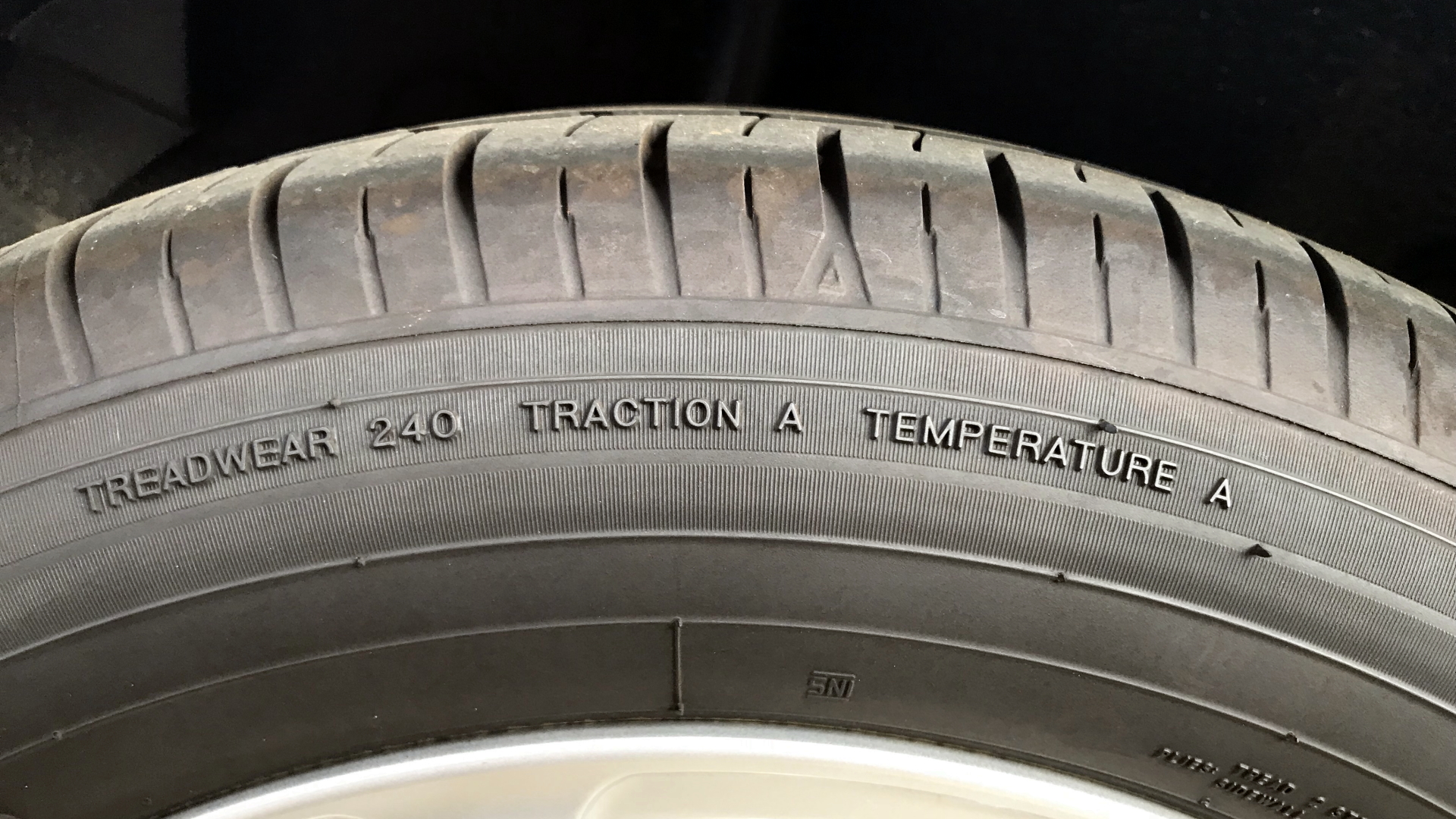
The system rates tires across three distinct categories: treadwear, traction, and temperature resistance. Treadwear is rated on a numerical scale, where a higher number indicates a longer-lasting tire. The theoretical basis for treadwear rating involves comparing tire wear to a control tire rated at 100 after 7,200 miles. Traction is graded A, B, or C, with A being the highest, measuring a tire's straight-line wet braking traction. Temperature resistance, also graded A, B, or C, indicates the tire's ability to dissipate heat under test conditions, crucial for preventing tire failure at high speeds. These ratings are intended to be displayed on the tire's sidewall, alongside other critical information like tire size and DOT code, forming a foundational element of tire identification and comparison for consumers.
📊 Key Facts & Numbers
Since its introduction, this system has been applied to an estimated 100% of passenger car tires sold in the United States, representing hundreds of millions of tires annually. The treadwear grades can range from as low as 100 to over 800, with most passenger car tires falling between 300 and 600, suggesting an average lifespan of 30,000 to 60,000 miles under typical driving conditions. Traction grades of 'A' are common among premium tires, indicating superior braking performance, while 'C' grades are rare and signify significantly reduced wet braking capability. Temperature resistance ratings of 'A' are also standard for modern tires, reflecting advancements in rubber compounds and tire construction that allow them to withstand high speeds without overheating, a critical safety factor for vehicles operating at highway velocities.
👥 Key People & Organizations
Key organizations and individuals have shaped the discourse around tire quality. The National Highway Traffic Safety Administration (NHTSA), a U.S. Department of Transportation agency, is the primary regulatory body behind the system. Prominent tire manufacturers like Michelin, Goodyear, and Bridgestone are central to the industry, often developing proprietary testing methods and marketing their tires based on performance metrics that may go beyond UTQG. Independent testing organizations, such as Consumer Reports, play a crucial role in providing unbiased evaluations, often conducting their own rigorous tests that can highlight discrepancies or limitations in manufacturer-provided data. The development of global standards by bodies like the International Organization for Standardization (ISO) and regional regulations like European Union's ECE regulations also influence how tire quality is assessed and communicated worldwide.
🌍 Cultural Impact & Influence
The system, despite its limitations, has fundamentally altered how consumers perceive and purchase tires in the United States, fostering a baseline understanding of tire performance attributes. It has influenced marketing strategies, with manufacturers often highlighting their tires' ratings or providing additional, more detailed performance data. The system's existence has also spurred the development of more sophisticated tire technologies, as companies strive to achieve higher grades or differentiate themselves through metrics not covered by the system, such as rolling resistance for fuel efficiency or noise levels. Globally, similar regulatory frameworks and industry standards, like the European Union's tire labeling regulations, have had a comparable impact, guiding consumer choices and driving innovation across different markets.
⚡ Current State & Latest Developments
In the current landscape, tire quality assessment is a dynamic field. While the UTQG remains a federal mandate in the U.S. for passenger tires, its limitations are widely acknowledged. Many manufacturers now provide more detailed performance data, including wet grip ratings (often aligned with EU standards), tread life estimates in miles or kilometers, and information on noise levels and fuel efficiency. The rise of electric vehicles (EVs) has introduced new demands for tire quality, particularly concerning load capacity, torque handling, and low rolling resistance to maximize battery range. Companies like Tesla often work closely with tire manufacturers to develop specialized tires that meet the unique performance requirements of their electric models, pushing the boundaries of traditional tire quality metrics.
🤔 Controversies & Debates
The system is not without its critics and controversies. The most significant debate centers on the treadwear rating, which is based on self-testing by tire manufacturers, leading to concerns about potential manipulation and a lack of consistent, independently verified standards across brands. A tire rated 400 by one manufacturer might perform differently than a 400-rated tire from another, making direct comparisons challenging. Furthermore, the system does not account for crucial performance aspects like dry braking, handling, hydroplaning resistance, or snow traction, leading to a potentially incomplete picture of a tire's overall quality and safety. The absence of a standardized test for treadwear, unlike the traction and temperature grades, remains a persistent point of contention within the automotive industry and among consumer advocates.
🔮 Future Outlook & Predictions
The future of tire quality assessment is likely to involve greater standardization, increased transparency, and a broader range of performance metrics. We can anticipate a move towards more globally harmonized testing protocols, potentially integrating aspects of EU tire labeling (which includes fuel efficiency, wet grip, and noise) more broadly. The increasing prevalence of smart tires, embedded with sensors to monitor pressure, temperature, and wear in real-time, will offer unprecedented data for assessing and managing tire quality. Furthermore, the demand for tires optimized for electric vehicles and autonomous driving systems will drive innovation in areas like durability under high torque, reduced road noise, and enhanced grip in diverse conditions, potentially leading to new rating systems that better reflect these evolving needs.
💡 Practical Applications
Understanding tire quality is directly applicable to everyday driving and vehicle maintenance. Consumers can use ratings as a starting point for comparing tires, but should supplement this with independent reviews from sources like Consumer Reports and consider their specific driving needs—whether prioritizing longevity, wet-weather performance, or fuel economy. For example, a driver in a region with frequent heavy rain might prioritize a tire with a high traction rating (A) and consult specific wet grip tests, while a long-distance commuter might focus on treadwear ratings and rolling resistance for fuel efficiency. Proper tire inflation, rotation, and alignment, as recommended by vehicle manufacturers and tire brands like Continental, are also critical for achieving optimal tire quality and lifespan.
Key Facts
- Category
- technology
- Type
- topic