
Contents
Overview
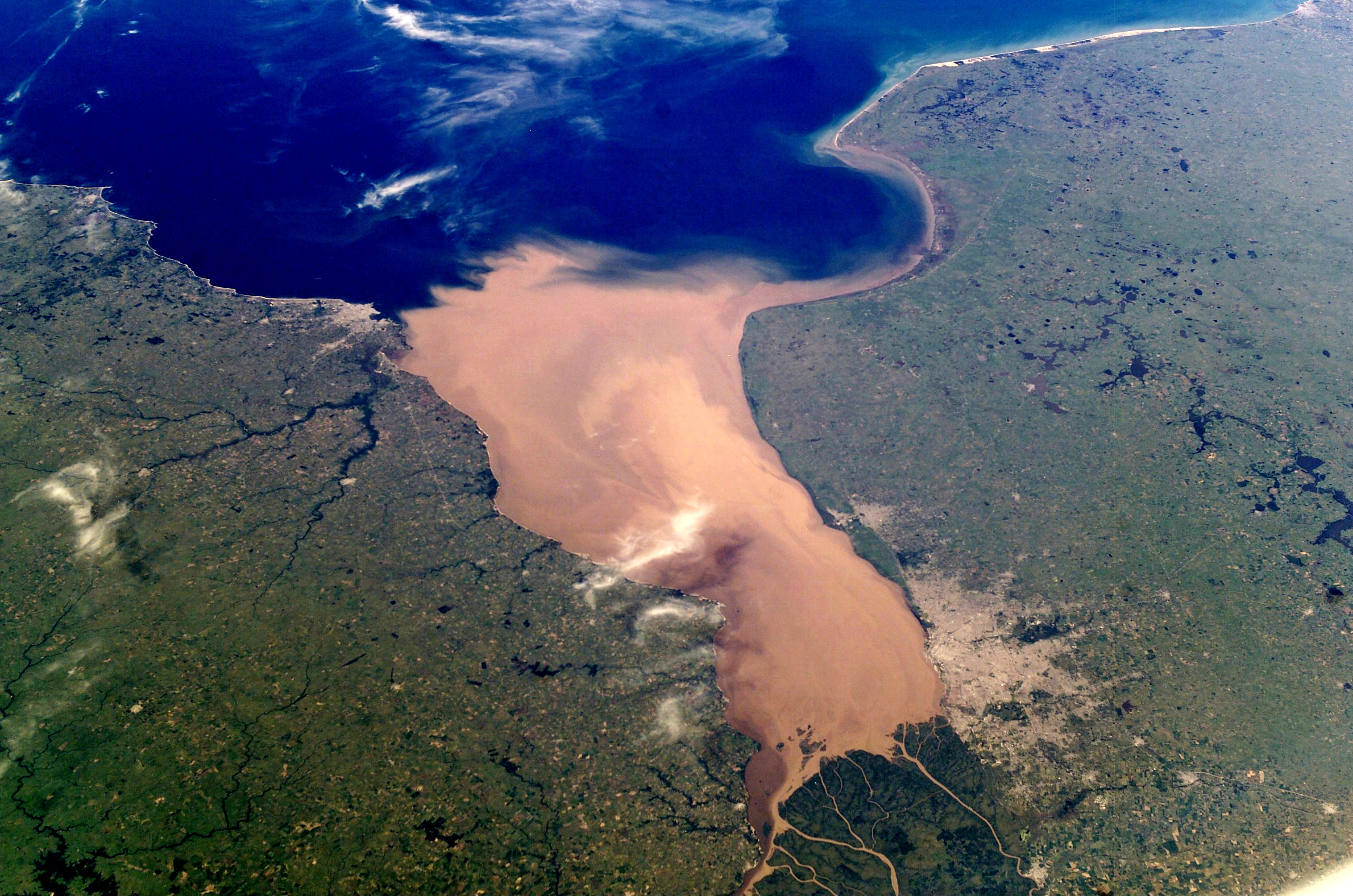
Tidal estuaries are unique coastal bodies where freshwater from rivers and streams collides with saltwater from the ocean, creating a brackish environment. These ecotones, formed primarily by the Holocene sea-level rise around 10,000 years ago, are characterized by a complex interplay of tidal forces and riverine flow, leading to high nutrient levels and exceptional biological productivity. Classified by salinity, geomorphology, and circulation patterns, estuaries like the Chesapeake Bay and the Amazon Delta serve as critical nurseries for marine life and vital buffers against coastal erosion and flooding. Despite their ecological and economic importance, many estuaries worldwide face significant threats from pollution, habitat destruction, and the impacts of climate change, including sea-level rise and altered precipitation patterns.
🎵 Origins & History
As massive ice sheets retreated, global sea levels began to rise, a process known as eustatic sea level rise. The Holocene epoch thus marks the primary geological period for the formation of modern estuaries, shaping coastlines globally.
⚙️ How It Works
Tidal estuaries function as dynamic mixing zones, governed by the constant push and pull between freshwater discharge from rivers and the incoming saltwater tides. This gradient, along with tidal currents and river flow, drives complex circulation patterns, including stratified, partially mixed, and well-mixed systems. These patterns influence sediment transport, nutrient distribution, and the overall habitat structure. The unique combination of freshwater and saltwater creates brackish conditions, supporting specialized flora and fauna adapted to fluctuating salinity levels, such as mangrove forests and salt marsh ecosystems.
📊 Key Facts & Numbers
No specific data verified for this section.
👥 Key People & Organizations
Eugene Odum, often called the 'father of modern ecology', extensively studied estuarine ecosystems and their productivity. Governmental bodies like the National Oceanic and Atmospheric Administration (NOAA) in the United States play a crucial role in monitoring and managing estuarine health.
🌍 Cultural Impact & Influence
Many of the world's largest cities, including New York City, Shanghai, and London, are situated on estuaries, leveraging their strategic locations. Culturally, estuaries have inspired art, literature, and music, often depicted as places of both bounty and peril. The rich biodiversity found in estuaries, from abundant fish populations to migratory birds, has also fueled recreational activities like fishing, birdwatching, and kayaking, contributing significantly to local economies and community identity.
⚡ Current State & Latest Developments
Conservation efforts are ongoing, with initiatives like the European Union's Water Framework Directive aiming to improve the ecological status of European estuaries.
🤔 Controversies & Debates
No specific data verified for this section.
🔮 Future Outlook & Predictions
Innovations in green infrastructure and nature-based solutions are expected to play a larger role in coastal defense and habitat restoration. Scientists are also exploring advanced monitoring techniques, including remote sensing and AI-driven data analysis, to better understand and predict estuarine responses to environmental change.
💡 Practical Applications
Tidal estuaries offer a wealth of practical applications. They serve as critical nurseries for commercially important fish and shellfish species, supporting global fisheries that provide food and livelihoods for millions. Their role as natural filters purifies water, removing pollutants and excess nutrients before they reach the open ocean. Estuaries also act as vital buffers against coastal erosion and storm surges, protecting inland communities and infrastructure. Furthermore, they are hotspots for ecotourism, driving economies through activities like birdwatching, kayaking, and recreational fishing. The development of aquaculture within estuaries also provides a sustainable source of seafood.
Key Facts
- Category
- nature
- Type
- place