
Contents
- 🎵 Origins & History
- ⚙️ How It Works
- 📊 Key Facts & Numbers
- 👥 Key People & Organizations
- 🌍 Cultural Impact & Influence
- ⚡ Current State & Latest Developments
- 🤔 Controversies & Debates
- 🔮 Future Outlook & Predictions
- 💡 Practical Applications
- 📚 Related Topics & Deeper Reading
- Frequently Asked Questions
- References
- Related Topics
Overview
The origins of Tibetan art are inextricably linked to the introduction and development of Buddhism in Tibet, a process that began in earnest in the 7th century CE under rulers like King Songtsen Gampo. Early influences were drawn heavily from Indian Buddhist art, particularly the Pala and Gupta styles, as well as from Chinese and Nepalese traditions. The establishment of monastic centers like Samye Monastery in the late 8th century, founded by Guru Rinpoche, became crucial hubs for artistic production and patronage. Over centuries, Tibetan artists developed distinct styles, characterized by meticulous detail, vibrant colors, and complex iconographic symbolism. The Gelug school, founded by Je Tsongkhapa in the 14th century, significantly shaped later artistic conventions, emphasizing clarity and doctrinal accuracy. The destruction of many monasteries and artworks during the Chinese Cultural Revolution in the mid-20th century marked a tragic turning point, leading to a diaspora of artists and the loss of invaluable cultural heritage.
⚙️ How It Works
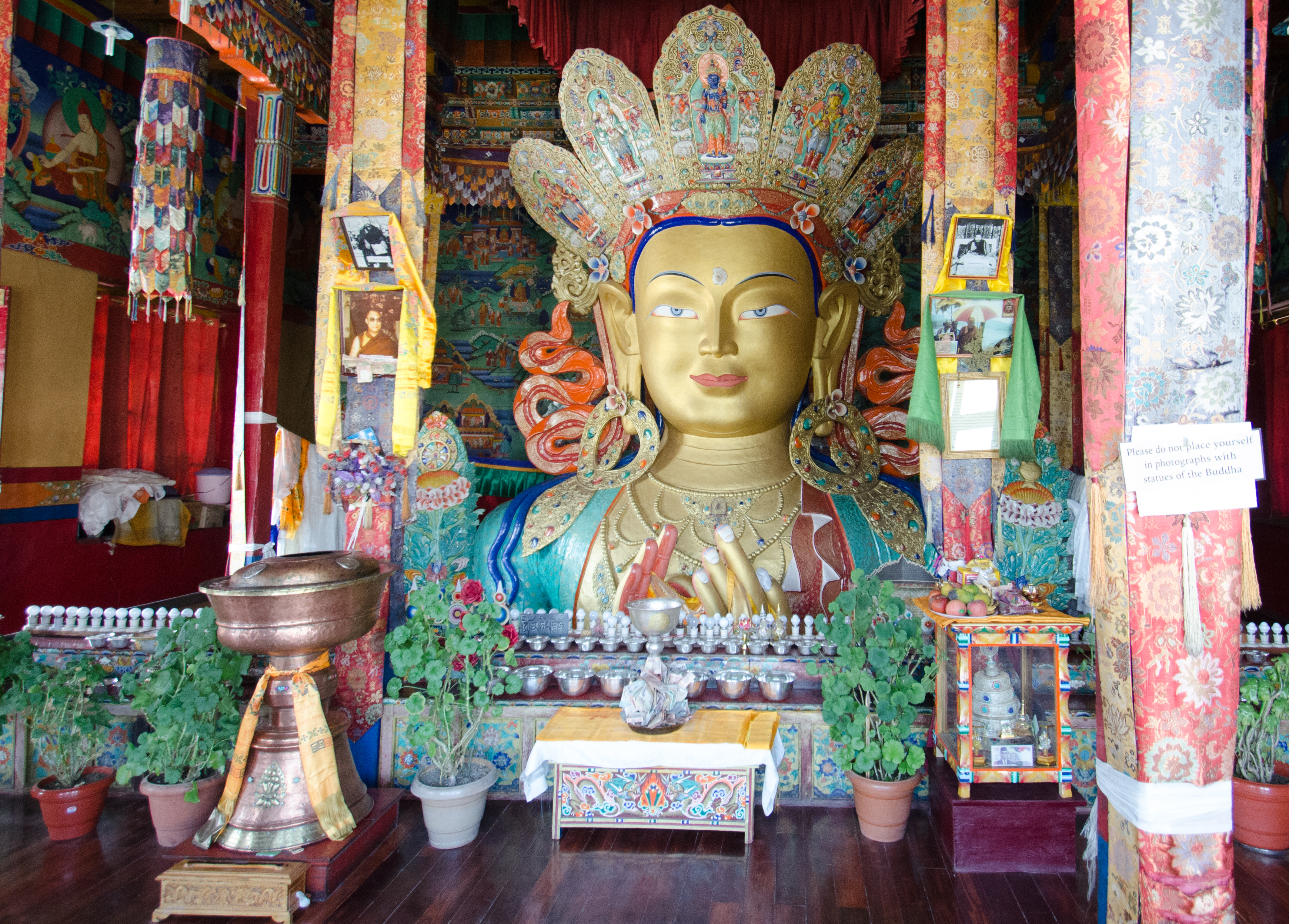
Tibetan art functions primarily as a vehicle for spiritual practice and didactic purposes within Tibetan Buddhism. Thangka paintings, typically rendered on cotton or silk, are created using mineral and organic pigments mixed with a binding agent like animal glue, applied in a distemper or gouache technique. Their precise composition follows strict iconographic rules derived from Buddhist scriptures, ensuring the accurate representation of deities, mandalas, and narrative scenes. Sculptures, whether cast in bronze using the lost-wax method or modeled from clay, stucco, or wood, are similarly imbued with symbolic meaning, often gilded and painted. Wall paintings, executed directly onto plaster, cover vast expanses of monastic interiors, depicting complex cosmological diagrams, historical events, and pantheons of enlightened beings. The creation process itself is often a meditative act, with artists adhering to established proportions and color symbolism to evoke specific spiritual states in the viewer and practitioner.
📊 Key Facts & Numbers
An estimated 90% of surviving Tibetan art predating the mid-20th century is religious in nature, with thangka paintings and murals constituting the most prevalent forms. Bronze sculptures, particularly those of deities and important lamas, can range from a few inches to several feet in height, with some monumental clay or stucco figures reaching over 30 feet. The pigments used in thangka painting are derived from precious materials: lapis lazuli for blue, malachite for green, cinnabar for red, and gold for intricate details, contributing to their luminous quality. While precise figures are scarce due to the often anonymous nature of the artists, it's estimated that thousands of monks and lay artisans worked in monastic workshops across Tibet. The market for Tibetan art, both antique and contemporary, sees significant global interest, with high-quality thangkas fetching tens of thousands of dollars, and rare bronzes commanding prices in the hundreds of thousands.
👥 Key People & Organizations
While many Tibetan artworks are anonymous, certain lineages and patrons are well-documented. The Ganden Monastery, Drepung Monastery, and Sera Monastery in Lhasa were major centers of artistic production and patronage. The 14th Dalai Lama, Tenzin Gyatso, has been a pivotal figure in preserving and promoting Tibetan culture, including its art, following the Tibetan diaspora in 1959. Organizations like the Tibetan Institute of Performing Arts (TIPA) and the Library of Tibetan Works and Archives (LTWA) in Dharamsala, India, play crucial roles in documenting, conserving, and exhibiting Tibetan art. Contemporary artists like Tenzing Rigdol and Pema Rinzin are reinterpreting traditional forms for a global audience, bridging the gap between ancient iconography and modern sensibilities.
🌍 Cultural Impact & Influence
Tibetan art has profoundly influenced not only the spiritual landscape of Tibet and surrounding regions but also global perceptions of Buddhist aesthetics. Its intricate symbolism and meditative qualities have inspired artists, designers, and spiritual seekers worldwide. The visual language of Tibetan Buddhism, with its vibrant colors and complex iconography, has found its way into contemporary art, graphic design, and even popular culture. The diaspora of Tibetan artists and scholars after 1959 led to a wider dissemination of these artistic traditions, fostering appreciation and study in institutions like the Rubin Museum of Art in New York and the Tibet House US in New York. The aesthetic principles, emphasizing impermanence, compassion, and enlightenment, continue to resonate, offering a unique visual philosophy.
⚡ Current State & Latest Developments
In the wake of the Chinese Cultural Revolution and subsequent diaspora, the practice and preservation of Tibetan art have undergone significant shifts. Contemporary Tibetan artists, both within Tibet and in exile communities, are increasingly engaging with global art movements while seeking to maintain their cultural identity. This has led to a burgeoning scene of contemporary Tibetan art that explores themes of political identity, environmentalism, and globalization, often through innovative mediums. Institutions like the Tibet Museum in Lhasa and various cultural centers in India and the West are actively working to conserve existing artworks and support new artistic creation. The digital realm has also become a significant platform, with online galleries and virtual exhibitions increasing accessibility to Tibetan art for a global audience.
🤔 Controversies & Debates
One of the most significant controversies surrounding Tibetan art relates to the provenance and repatriation of artifacts looted or illegally removed from Tibet, particularly following the Chinese invasion of Tibet in the 1950s. The ethical considerations of collecting and displaying religious art outside its original context are also debated, with some arguing that such practices can lead to commodification and a loss of spiritual significance. Furthermore, the influence of Chinese state patronage on art produced within Tibet raises questions about artistic freedom and cultural authenticity. The debate over what constitutes "authentic" Tibetan art in the face of globalization and adaptation by contemporary artists also sparks discussion among scholars and collectors.
🔮 Future Outlook & Predictions
The future of Tibetan art appears to be a dynamic interplay between preservation and innovation. As younger generations of artists engage with global contemporary art trends, we can expect a continued evolution of traditional forms, potentially incorporating new technologies and materials. The diaspora communities will likely remain crucial centers for artistic development and cultural dissemination, while efforts to preserve and restore art within Tibet will continue, albeit under complex political circumstances. There's also a growing interest in the therapeutic and mindfulness aspects of Tibetan art, suggesting potential applications in wellness and mental health. The challenge will be to maintain the spiritual integrity and cultural specificity of Tibetan art while allowing it to adapt and thrive in the 21st century.
💡 Practical Applications
Tibetan art's primary application has always been within the practice of Tibetan Buddhism, serving as visual aids for meditation, devotion, and teaching. Thangka paintings are often unrolled during specific ceremonies or for personal contemplation, while sculptures are venerated in temples and homes. The meticulous detail and symbolic language of Tibetan art can also be applied in art therapy contexts, offering a pathway to mindfulness and emotional processing. Furthermore, the aesthetic principles and craftsmanship inherent in Tibetan art have influenced interior design and decorative arts, bringing elements of its spiritual tranquility and vibrant color palettes into secular spaces. The study of Tibetan iconography and artistic techniques also provides valuable insights for art history scholars and cultural studies researchers.
Key Facts
- Year
- 7th century CE - Present
- Origin
- Tibet
- Category
- aesthetics
- Type
- concept
Frequently Asked Questions
What are the primary forms of traditional Tibetan art?
The most prominent forms of traditional Tibetan art include thangka paintings, which are intricate scroll paintings on cloth, and murals that adorn the walls of monasteries and temples. Sculptures, typically made from bronze, clay, stucco, or wood, are also significant, depicting deities, lamas, and protective figures. Religious objects, such as ritual implements and mandalas, are also finely crafted. These artworks were primarily created for devotional and didactic purposes within Tibetan Buddhism, serving as aids for meditation and spiritual instruction.
Who created Tibetan art, and were they known?
Historically, Tibetan art was often created in large monastic workshops by both monks and lay artists. Many of these artisans worked anonymously, with their individual identities not being the focus; the spiritual message and the tradition were paramount. While some patrons and specific artistic lineages are documented, the individual creators are frequently unknown. This anonymity underscores the communal and devotional nature of their artistic production, where the art served a higher purpose than individual recognition.
What materials and techniques are used in Tibetan art?
Thangka paintings are meticulously crafted using mineral and organic pigments mixed with a binder, typically animal glue, applied to a cotton or silk canvas in a distemper or gouache technique. These pigments, derived from substances like lapis lazuli (blue), malachite (green), cinnabar (red), and gold, contribute to the art's vibrant and luminous quality. Sculptures are often cast in bronze using the lost-wax method, or modeled from clay, stucco, or wood, and are frequently gilded and painted. The precision in proportions and color symbolism is crucial, adhering to strict iconographic rules derived from Buddhist scriptures.
How has Tibetan art been impacted by historical events?
Tibetan art has been profoundly shaped by historical events, most notably the introduction of Buddhism in the 7th century CE, which brought Indian, Nepalese, and Chinese artistic influences. The establishment of monastic centers fostered artistic development. However, the mid-20th century Chinese Cultural Revolution resulted in the widespread destruction of countless artworks and monasteries, leading to a significant loss of heritage. This event also triggered the Tibetan diaspora, scattering artists and cultural practitioners globally, which paradoxically led to a wider dissemination and appreciation of Tibetan art in the West.
What is the difference between Tibetan art and Himalayan art?
Tibetan art refers specifically to the artistic traditions originating from and practiced within Tibet. Himalayan art, on the other hand, is a broader term that encompasses Tibetan art along with the art of neighboring regions where Tibetan Buddhism has influenced cultural development. This includes the art of Bhutan, Nepal, Ladakh (in the Indian Himalayas), and adjacent areas of China and Mongolia that share a common Buddhist heritage. While Tibetan art is a major component, Himalayan art acknowledges the shared stylistic and thematic elements across this wider geographical and cultural landscape.
How can one appreciate or acquire authentic Tibetan art today?
Authentic Tibetan art can be appreciated through reputable museums like the Rubin Museum of Art or the Tibet Museum. Acquiring traditional Tibetan art often involves seeking out established dealers specializing in Himalayan art, galleries with a focus on Asian antiquities, or auction houses. It's crucial to research the provenance and authenticity of any piece. For contemporary Tibetan art, direct engagement with artists or galleries representing them is recommended. Be aware that many older religious artifacts may have complex legal histories due to past conflicts and political situations.
What is the future outlook for Tibetan art?
The future of Tibetan art is characterized by a dual trajectory: the preservation of traditional forms and the innovative evolution of contemporary expressions. Artists in diaspora communities and within Tibet are increasingly blending traditional iconography and techniques with modern artistic sensibilities, addressing themes relevant to the 21st century, such as identity, politics, and environmentalism. Institutions are working to conserve existing heritage and support new artists. There's also potential for Tibetan art to find new applications in areas like art therapy and mindfulness practices, ensuring its continued relevance and impact globally.