
Contents
Overview
The Gilded Age, a term coined by Mark Twain and Charles Dudley Warner in their 1873 novel of the same name, designates a period in American history roughly spanning from the late 1870s to the turn of the 20th century. This era, sandwiched between the Reconstruction and Progressive Eras, was characterized by unprecedented economic expansion, rapid industrialization, and immense capital accumulation, particularly in the Northern and Western United States. Millions of European immigrants flocked to the nation, drawn by the promise of higher wages and industrial opportunity, fueling a 40% real wage growth for many workers between 1860 and 1890. However, this glittering facade concealed deep societal fissures, including widespread poverty, vast income inequality, and the rise of powerful, often corrupt, industrial magnates. The period witnessed the zenith of 'robber barons' and the nascent stages of labor movements, setting the stage for the reformist energies of the Progressive Era.
🎵 Origins & History
The term 'Gilded Age' was popularized by the satirical novel of the same name, published in 1873 by Mark Twain and Charles Dudley Warner. The Gilded Age is sandwiched between the Reconstruction and Progressive Eras. The Gilded Age saw rapid industrial expansion following the American Civil War, the development of transcontinental railroads, and the consolidation of major industries like steel and oil. The period saw a dramatic shift from an agrarian economy to an industrial one, laying the groundwork for America's emergence as a global economic power.
⚙️ How It Works
The Gilded Age functioned as a period of intense economic transformation driven by technological innovation and laissez-faire capitalism. Key mechanisms included the rapid development of infrastructure, such as the First Transcontinental Railroad, which facilitated the movement of goods and people, opening up new markets and resource-rich territories. Industrial magnates like Andrew Carnegie (steel) and John D. Rockefeller (oil) employed vertical and horizontal integration strategies, forming massive trusts and monopolies that controlled entire sectors of the economy. This concentration of wealth and power was often facilitated by lax government regulation, political corruption, and the exploitation of a large, often immigrant, labor force that worked long hours for low wages in dangerous conditions. The rise of new technologies like the Bessemer process for steel production and the widespread adoption of electricity fundamentally reshaped urban landscapes and industrial output.
📊 Key Facts & Numbers
The Gilded Age saw a staggering increase in national wealth, with the U.S. GDP more than doubling between 1870 and 1900, reaching approximately $13 billion by the turn of the century. Industrial production surged, with steel output increasing from 77,000 tons in 1870 to over 11 million tons by 1900. Millions of immigrants arrived, with over 14 million entering the U.S. between 1860 and 1900, primarily from Northern and Western Europe. While real wages for industrial workers grew by about 40% from 1860 to 1890, the gap between the rich and the poor widened dramatically; by 1890, the wealthiest 1% of the population controlled over half of the nation's wealth. Urban populations exploded, with cities like New York and Chicago experiencing growth rates exceeding 100% in some decades. The number of patents issued annually also skyrocketed, from around 10,000 in 1870 to over 30,000 by 1900, reflecting the era's inventive spirit.
👥 Key People & Organizations
This era was defined by titans of industry and influential figures who shaped its economic and social trajectory. Cornelius Vanderbilt amassed a fortune through railroads and shipping, while John D. Rockefeller's Standard Oil company became a near-monopoly in the petroleum industry. Andrew Carnegie revolutionized steel production and later became a prominent philanthropist. Political figures like Ulysses S. Grant (whose presidency coincided with early Gilded Age issues) and Grover Cleveland navigated the complex political landscape, often grappling with corruption and economic crises. Organizations like the Knights of Labor and later the American Federation of Labor emerged to advocate for workers' rights, while powerful business organizations and political machines, such as Tammany Hall, wielded significant influence.
🌍 Cultural Impact & Influence
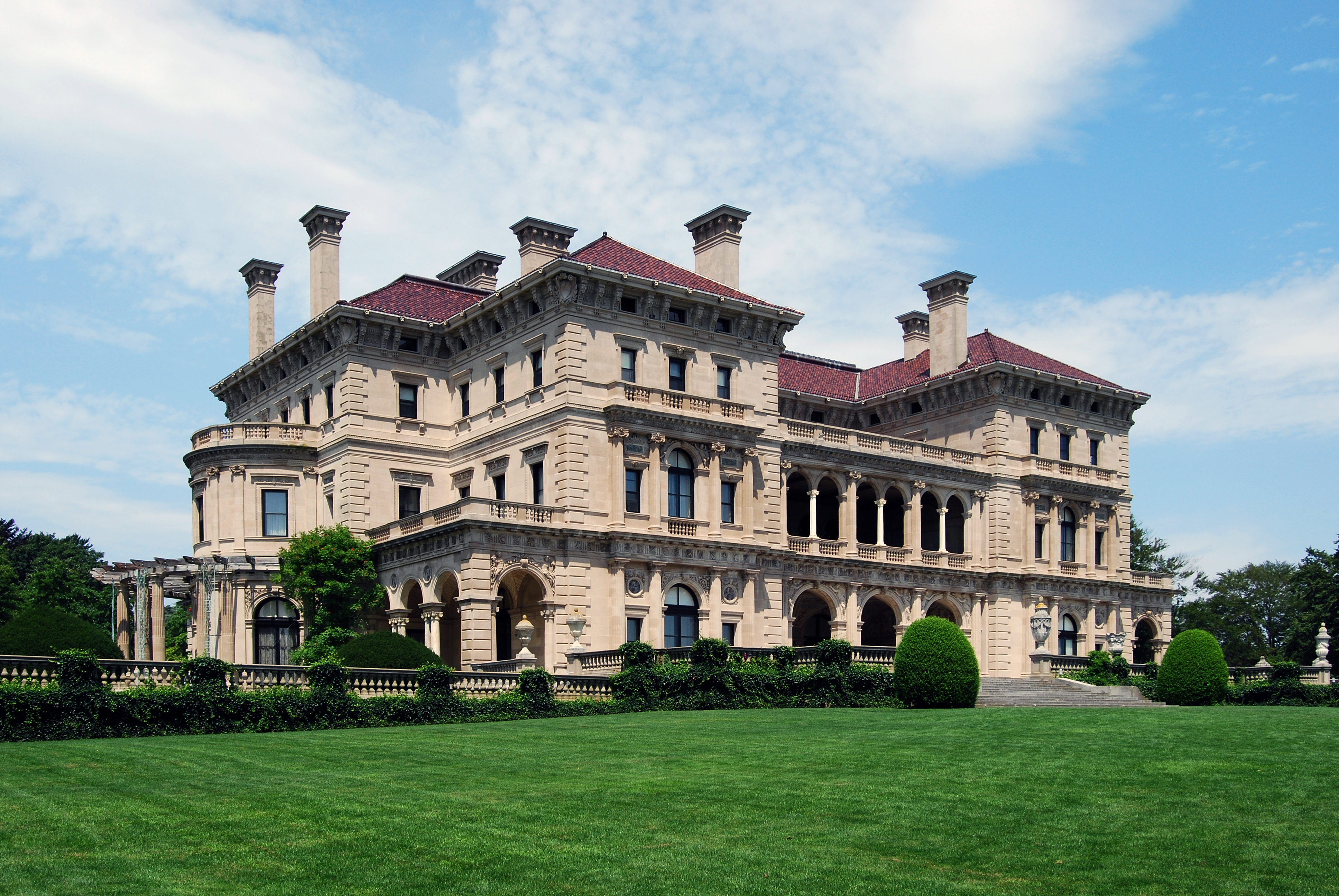
The Gilded Age left an indelible mark on American culture and identity. Its excesses and inequalities inspired a wave of literature, art, and social commentary, including the works of Mark Twain, Henry James, and Edith Wharton, who often depicted the era's social stratification and moral compromises. The stark contrast between opulent mansions and urban slums fueled the rise of muckraking journalism and reform movements. Architecturally, the era saw the construction of grand public buildings and opulent private residences, exemplified by the Beaux-Arts style. The period also solidified the American Dream narrative for some, while simultaneously highlighting the systemic barriers faced by many, particularly immigrants and the working class, influencing subsequent debates on immigration, labor, and economic justice.
⚡ Current State & Latest Developments
While the Gilded Age as a distinct historical period concluded around 1900, its legacy continues to resonate in contemporary society. Debates surrounding wealth inequality, the power of corporate monopolies, and the influence of money in politics echo the Gilded Age's defining tensions. Modern discussions about immigration policy, labor rights, and the role of government regulation in the economy often draw parallels to this transformative era. The technological advancements and industrial foundations laid during the Gilded Age continue to underpin much of the global economy, and the philanthropic endeavors initiated by figures like Andrew Carnegie have shaped modern charitable giving. The ongoing fascination with the era's 'robber barons' and their immense fortunes reflects a persistent cultural interest in the dynamics of extreme wealth creation and its societal implications.
🤔 Controversies & Debates
The Gilded Age is a subject of considerable debate among historians and economists. One primary controversy centers on the term 'Gilded Age' itself, with some arguing it oversimplifies a complex period and unfairly maligns its industrial pioneers. Critics of the 'Gilded Age' narrative point to the immense societal progress, technological innovation, and the rise of a middle class as counterpoints to the narrative of corruption and exploitation. Conversely, others emphasize the severe human cost of industrialization, including dangerous working conditions, child labor, and the suppression of labor movements, arguing that the 'gilding' masked profound social injustices. The extent to which government policy actively enabled or hindered the rise of monopolies, and the true impact of immigration on wages and social structures, remain active areas of scholarly discussion. The legacy of political corruption during this era also fuels ongoing debates about campaign finance and lobbying.
🔮 Future Outlook & Predictions
The future trajectory of issues that defined the Gilded Age—such as wealth concentration, technological disruption, and immigration—suggests continued relevance. As artificial intelligence and automation reshape industries, parallels are drawn to the industrial revolutions of the Gilded Age, raising questions about future labor markets and the distribution of economic gains. The ongoing global discussion about regulating large tech companies, reminiscent of the antitrust movements against Gilded Age trusts, indicates a potential for renewed focus on corporate power. Furthermore, demographic shifts and evolving global economies may present new waves of immigration and cultural integration, echoing the experiences of the late 19th century. The enduring tension between unfettered capitalism and social welfare will likely continue to be a defining feature of the 21st century, much as it was during the Gilded Age.
💡 Practical Applications
The Gilded Age's impact is evident in numerous practical applications and societal structures. The legal frameworks for corporate organization and regulation, though evolved, have roots in the business practices of this era. Antitrust laws, such as the Sherman Antitrust Act of 1890, were direct responses to the monopolistic trusts formed during this time and continue to shape competition policy today. The development of modern banking and financial markets, including stock exchanges and investment banking, was significantly advanced during this period. Philanthropic foundations, pioneered by figures like Andrew Carnegie
Key Facts
- Category
- history
- Type
- topic