
Contents
- 🎸 Introduction to The Book of Taliesyn
- 📚 Historical Context and Inspiration
- 🎶 Music Style and Composition
- 👥 Band Dynamics and Lineup
- 📆 Recording and Release Timeline
- 🗣️ Critical Reception and Legacy
- 📊 Commercial Performance and Chart Success
- 🎧 Influence on Future Works and Artists
- 👀 Controversy and Debate Surrounding the Album
- 📚 Literary Connection to the Book of Taliesin
- 👥 Touring and Live Performances
- Frequently Asked Questions
- Related Topics
Overview
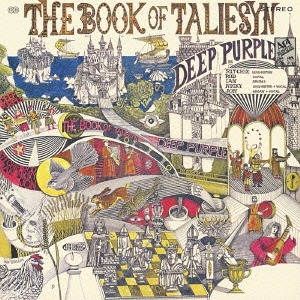
The Book of Taliesyn, released in December 1968, is the second studio album by the English rock band Deep Purple. This album was recorded only three months after their debut album, Shades of Deep Purple, and during their first US tour. The name for the album was taken from the 14th-century Book of Taliesin, a collection of poems attributed to the 6th-century Welsh poet Taliesin. The album's title reflects the band's interest in mythology and literature, as seen in their song mandrake root. The Book of Taliesyn features a mix of original compositions and cover songs, showcasing the band's versatility and range. The album's sound is characterized by the powerful vocals of Rod Evans and the distinctive guitar playing of Ritchie Blackmore.
📚 Historical Context and Inspiration
The historical context in which The Book of Taliesyn was created is significant, as it was a time of great social and cultural change. The late 1960s saw the rise of the counterculture movement, with Woodstock and other music festivals becoming symbols of the era's free-spirited nature. Deep Purple's music, including The Book of Taliesyn, was influenced by this cultural landscape, as well as by the band members' individual experiences and interests. The album's title, inspired by the Book of Taliesin, reflects the band's fascination with mythology and literature, which was a common theme in the music of the time. The Book of Taliesyn has been praised for its unique blend of rock, blues, and folk elements, which set it apart from other albums of the era. The band's use of Hammond organ and Fender guitars added to the album's distinctive sound.
🎶 Music Style and Composition
The music style and composition of The Book of Taliesyn are notable for their eclecticism and creativity. The album features a range of songs, from the blues-inspired Kyoto to the more experimental exposition. The band's use of classical music influences, such as the incorporation of orchestral instruments, added to the album's sophistication and depth. The Book of Taliesyn has been praised for its innovative production techniques, which were ahead of its time. The album's sound is characterized by the powerful vocals of Rod Evans and the distinctive guitar playing of Ritchie Blackmore. The band's rhythm section, consisting of Nick Simper and Ian Paice, provided a solid foundation for the album's complex arrangements. The Book of Taliesyn is considered a landmark album in the development of hard rock and heavy metal music.
👥 Band Dynamics and Lineup
The band dynamics and lineup during the recording of The Book of Taliesyn were significant factors in the album's creation. The band's original lineup, consisting of Rod Evans, Ritchie Blackmore, Nick Simper, Jon Lord, and Ian Paice, was still intact at the time of the album's recording. The band's chemistry and camaraderie are evident in the album's performances, which are characterized by a sense of energy and spontaneity. The Book of Taliesyn features a range of songs that showcase the band's individual talents, from Rod Evans' powerful vocals to Ritchie Blackmore's innovative guitar playing. The album's sound is also notable for its use of keyboard instruments, particularly the Hammond organ, which was played by Jon Lord.
📆 Recording and Release Timeline
The recording and release timeline of The Book of Taliesyn is notable for its brevity and intensity. The album was recorded in just three months, during the band's first US tour, and was released in December 1968. The album's rapid creation and release were due in part to the band's busy touring schedule, as well as the pressure to produce a follow-up to their successful debut album, Shades of Deep Purple. The Book of Taliesyn was recorded at De Lane Lea Studios in London, with Derek Lawrence producing the album. The album's release was met with critical acclaim, with many reviewers praising the band's innovative sound and energetic performances. The Book of Taliesyn has since become a classic of rock music, influencing a range of artists and bands, including Led Zeppelin and Black Sabbath.
🗣️ Critical Reception and Legacy
The critical reception and legacy of The Book of Taliesyn are significant, with the album being widely praised by critics and fans alike. The album has been praised for its innovative sound, energetic performances, and creative songwriting. The Book of Taliesyn has been cited as an influence by a range of artists and bands, including Led Zeppelin and Black Sabbath. The album's legacy extends beyond its influence on other artists, with The Book of Taliesyn being recognized as a classic of rock music. The album's sound, which combines elements of blues music, folk music, and classical music, has been praised for its eclecticism and creativity. The Book of Taliesyn has been certified gold by the Recording Industry Association of America (RIAA) and has been named one of the greatest albums of all time by various publications, including Rolling Stone and NME.
📊 Commercial Performance and Chart Success
The commercial performance and chart success of The Book of Taliesyn were significant, with the album reaching the top 100 on the Billboard 200 chart in the US. The album's success was due in part to the band's busy touring schedule, as well as the popularity of their debut album, Shades of Deep Purple. The Book of Taliesyn has been certified gold by the Recording Industry Association of America (RIAA) and has been named one of the greatest albums of all time by various publications, including Rolling Stone and NME. The album's success can be attributed to the band's innovative sound, energetic performances, and creative songwriting. The Book of Taliesyn has been praised for its unique blend of rock music, blues music, and folk music, which set it apart from other albums of the era. The album's influence can be heard in the music of later bands, including Led Zeppelin and Black Sabbath.
🎧 Influence on Future Works and Artists
The influence of The Book of Taliesyn on future works and artists is significant, with the album being cited as an influence by a range of artists and bands. The album's innovative sound, which combines elements of rock music, blues music, and folk music, has been praised for its eclecticism and creativity. The Book of Taliesyn has been named one of the greatest albums of all time by various publications, including Rolling Stone and NME. The album's influence can be heard in the music of later bands, including Led Zeppelin and Black Sabbath. The Book of Taliesyn has also been cited as an influence by artists such as Queen and Aerosmith. The album's legacy extends beyond its influence on other artists, with The Book of Taliesyn being recognized as a classic of rock music.
👀 Controversy and Debate Surrounding the Album
The controversy and debate surrounding The Book of Taliesyn are notable, with some critics arguing that the album's sound is too eclectic and experimental. The album's use of classical music influences, such as the incorporation of orchestral instruments, has been praised by some critics, while others have argued that it detracts from the album's overall sound. The Book of Taliesyn has also been criticized for its lack of cohesion, with some critics arguing that the album's songs are too disparate and lack a unified theme. Despite these criticisms, The Book of Taliesyn has been widely praised for its innovative sound, energetic performances, and creative songwriting. The album's influence can be heard in the music of later bands, including Led Zeppelin and Black Sabbath.
📚 Literary Connection to the Book of Taliesin
The literary connection to the Book of Taliesin is significant, with the album's title being inspired by the 14th-century collection of poems attributed to the 6th-century Welsh poet Taliesin. The album's title reflects the band's interest in mythology and literature, as seen in their song mandrake root. The Book of Taliesyn features a range of songs that showcase the band's individual talents, from Rod Evans' powerful vocals to Ritchie Blackmore's innovative guitar playing. The album's sound is also notable for its use of keyboard instruments, particularly the Hammond organ, which was played by Jon Lord. The Book of Taliesyn has been praised for its unique blend of rock music, blues music, and folk music, which set it apart from other albums of the era.
👥 Touring and Live Performances
The touring and live performances surrounding The Book of Taliesyn were significant, with the band embarking on a busy touring schedule to promote the album. The band's live performances were notable for their energy and intensity, with the band delivering powerful performances that showcased their individual talents. The Book of Taliesyn has been praised for its innovative sound, energetic performances, and creative songwriting. The album's influence can be heard in the music of later bands, including Led Zeppelin and Black Sabbath. The Book of Taliesyn has been certified gold by the Recording Industry Association of America (RIAA) and has been named one of the greatest albums of all time by various publications, including Rolling Stone and NME.
Key Facts
- Category
- topic
- Type
- topic
Frequently Asked Questions
What is the significance of The Book of Taliesyn's title?
The title of The Book of Taliesyn is inspired by the 14th-century Book of Taliesin, a collection of poems attributed to the 6th-century Welsh poet Taliesin. The album's title reflects the band's interest in mythology and literature, as seen in their song mandrake root. The Book of Taliesyn features a range of songs that showcase the band's individual talents, from Rod Evans' powerful vocals to Ritchie Blackmore's innovative guitar playing.
What is the style of music on The Book of Taliesyn?
The style of music on The Book of Taliesyn is a unique blend of rock music, blues music, and folk music. The album features a range of songs that showcase the band's individual talents, from Rod Evans' powerful vocals to Ritchie Blackmore's innovative guitar playing. The album's sound is characterized by the powerful vocals of Rod Evans and the distinctive guitar playing of Ritchie Blackmore.
Who are the key band members on The Book of Taliesyn?
The key band members on The Book of Taliesyn are Rod Evans, Ritchie Blackmore, Nick Simper, Jon Lord, and Ian Paice. The band's chemistry and camaraderie are evident in the album's performances, which are characterized by a sense of energy and spontaneity.
What is the significance of The Book of Taliesyn's release?
The release of The Book of Taliesyn was significant, as it marked the band's second studio album and their first release on the Tetragrammaton Records label. The album was released in December 1968, during the band's first US tour, and was met with critical acclaim. The Book of Taliesyn has since become a classic of rock music, influencing a range of artists and bands, including Led Zeppelin and Black Sabbath.
What is the legacy of The Book of Taliesyn?
The legacy of The Book of Taliesyn is significant, with the album being widely praised for its innovative sound, energetic performances, and creative songwriting. The album has been cited as an influence by a range of artists and bands, including Led Zeppelin and Black Sabbath. The Book of Taliesyn has been certified gold by the Recording Industry Association of America (RIAA) and has been named one of the greatest albums of all time by various publications, including Rolling Stone and NME.