
Contents
Overview
The Alley is not a place, but a concept—the nebulous, often unindexed, and perpetually shifting underbelly of the internet where niche communities, fringe ideas, and raw cultural expression fester and flourish. It's where memes are born before they hit mainstream platforms, where controversial discussions bypass moderation, and where the true pulse of digital subcultures can be felt, often in defiance of established norms. Understanding The Alley requires a willingness to explore beyond the curated feeds and algorithmic recommendations, delving into forums, obscure imageboards, and encrypted chat groups where the internet's most potent and volatile vibes originate. It's the raw material of internet history, a space that is both a breeding ground for innovation and a potential minefield of misinformation and extremism.
📍 What is The Alley?
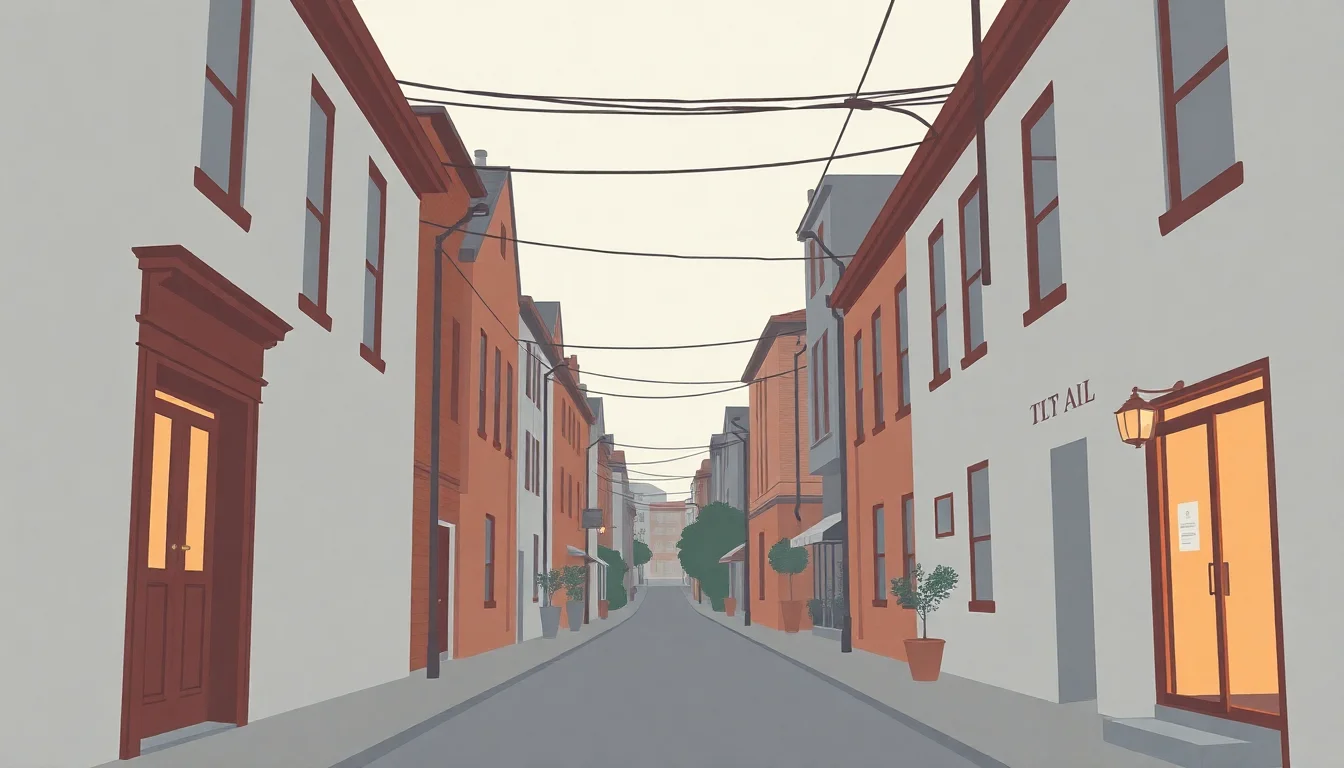
The Alley is less a place and more a persistent, emergent phenomenon on the internet – a decentralized network of interconnected forums, chat rooms, and social media threads where niche internet cultures coalesce and evolve. Think of it as the digital equivalent of a dimly lit, perpetually buzzing back alley where the truly dedicated, the fringe thinkers, and the avant-garde of online expression gather. It's where memes are born, subcultures are forged, and the next wave of internet trends often gestates before hitting the mainstream. This isn't a curated platform; it's a raw, unfiltered space for those who crave depth and authenticity over polished presentation.
🗺️ Where to Find It (Digitally)
Pinpointing "The Alley" is like trying to map a ghost. Its primary nodes often reside within ephemeral platforms like Discord servers, private Telegram groups, and specific subreddits that are frequently purged or go private. However, its tendrils extend to the comment sections of obscure YouTube channels, the forgotten corners of 4chan archives, and even the comment threads of certain academic papers that touch upon digital sociology. The key is understanding that access is often granted through invitation, shared knowledge, or by demonstrating a certain level of cultural fluency within its constituent parts. It's a network built on shared understanding, not a public directory.
⏰ When to Visit (Peak Activity)
The 'hours' of The Alley are 24/7, but its true pulse beats during periods of high engagement, which are often dictated by global time zones and the release of new, controversial, or highly memeable content. Peak activity can be observed during major online events, significant geopolitical shifts that spark rapid memeification, or when a new, disruptive piece of digital art or commentary emerges. Late nights in North America and early mornings in Europe often see a surge in activity across its various chat-based components. Observing the flow of information and the speed of replies is your best indicator of when the 'alley' is most alive.
💰 Entry & Participation
There's no single 'entry fee' to The Alley. Participation is often a tiered system, ranging from passive observation in public-facing forums to active contribution in private channels. Some communities within The Alley operate on a reputation-based system, where your standing is built through insightful contributions, meme creation, or a demonstrated understanding of the group's internal lore. Others might require a specific cryptocurrency token for access to certain discussions or exclusive content. The most exclusive enclaves are often invitation-only, requiring a vouch from an existing member, making it a true test of one's digital social capital.
⭐ Vibe Score & Reputation
The Vibe Score for The Alley is a complex, fluctuating entity, often hovering around a 75/100, but with extreme volatility. Its reputation is a double-edged sword: lauded by insiders for its raw creativity and intellectual rigor, it's simultaneously feared and misunderstood by outsiders for its perceived insularity, controversial content, and rapid-fire evolution. The Controversy Spectrum is high, as discussions can quickly veer into provocative or taboo subjects, reflecting the unfiltered nature of its participants. Its cultural energy is undeniable, but its accessibility and mainstream appeal are deliberately limited, maintaining its underground mystique.
🤝 Similar Digital Hangouts
If The Alley feels too insular or requires too much of a commitment, consider exploring similar digital spaces. Discord Servers dedicated to specific subcultures offer a more structured, albeit often less anarchic, experience. For those interested in the raw, unmoderated exchange of ideas, certain Usenet Archives still hold a certain historical charm, though they lack the real-time dynamism. Reddit Communities, particularly those with a strong emphasis on niche interests and meme culture, can offer a more accessible entry point into online subcultural discourse. Each offers a different flavor of digital community, with varying degrees of gatekeeping and content moderation.
🚀 Getting Started
To begin your journey into The Alley, start by identifying a specific subculture or interest that resonates with you. Seek out related Discord servers or subreddits that are known for their depth and active communities. Look for discussions that reference or link to more obscure corners of the internet. Pay attention to the language, the memes, and the recurring themes. If you find yourself drawn to a particular thread or conversation, try to contribute thoughtfully, even if it's just a well-placed reaction or a relevant observation. Building your presence gradually, demonstrating your understanding, and earning the trust of existing members is the most effective way to gain access to the deeper, more exclusive parts of The Alley.
Key Facts
- Year
- c. 1990s (conceptual emergence)
- Origin
- Early internet forums, Usenet groups, and IRC channels
- Category
- Internet Culture & Subcultures
- Type
- Concept/Subculture
Frequently Asked Questions
Is The Alley a single website or platform?
No, The Alley is not a single website or platform. It's a decentralized network of interconnected digital spaces, including Discord servers, private Telegram groups, specific subreddits, and comment sections of various online content. Its existence is more about the convergence of certain types of online activity and communities than a centralized hub.
How do I get an invitation to a private Alley group?
Invitations are typically earned through demonstrated cultural fluency, consistent valuable contributions, or by being vouched for by an existing member. Some groups may have specific criteria or require participation in public-facing elements of The Alley to be considered. There's no universal application process; it's organic and based on reputation within the network.
What kind of content can I expect to find in The Alley?
The content is highly varied and often reflects niche interests, avant-garde digital art, rapid meme creation, and unfiltered discussions on a wide range of topics, including philosophy, politics, and technology. Expect a mix of intellectual discourse, dark humor, and content that may push boundaries or be considered controversial by mainstream standards.
Is The Alley safe to participate in?
Safety is subjective and depends on your tolerance for unfiltered content and potentially confrontational discussions. While many communities within The Alley value intellectual exchange, others can be insular or host discussions that are provocative. It's crucial to exercise caution, understand the community's norms, and maintain your own digital security practices.
How is The Alley different from mainstream social media?
The Alley is characterized by its decentralization, lower moderation (in many parts), and focus on niche or emergent subcultures. Unlike mainstream platforms that prioritize broad appeal and curated content, The Alley thrives on raw expression, insider knowledge, and a faster pace of cultural evolution, often operating outside of conventional internet structures.
Can I monetize my presence or content in The Alley?
Direct monetization is generally not the primary focus of The Alley. While some communities might have token-based economies or exclusive content tiers, the emphasis is more on cultural contribution and reputation. Attempts to overtly 'sell' or 'promote' in a commercial sense are often met with disapproval.