
Contents
- 🎯 Introduction to Telemedicine Policy
- ⚙️ Key Components of Telemedicine Policy
- 📊 Benefits and Challenges of Telemedicine
- 👥 Key Players in Telemedicine Policy
- 🌍 Global Telemedicine Policy Landscape
- ⚡ Current State and Future Directions
- 🤔 Controversies and Debates in Telemedicine Policy
- 🔮 Future Outlook and Predictions
- 💡 Practical Applications of Telemedicine Policy
- 📚 Related Topics and Deeper Reading
- Frequently Asked Questions
- References
- Related Topics
Overview
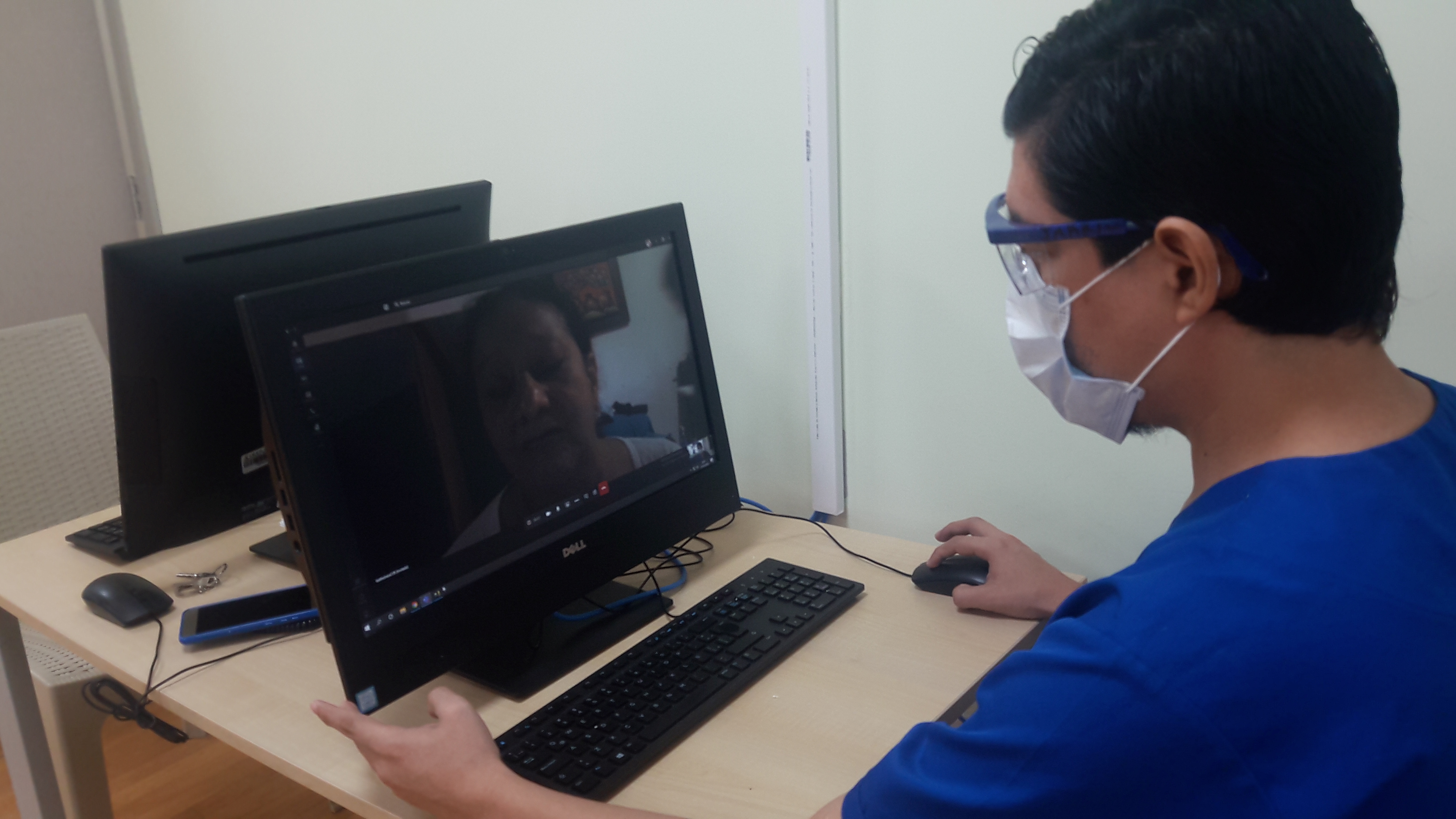
Telemedicine policy refers to the set of rules and guidelines governing the use of electronic information and telecommunication technologies to support long-distance clinical health care. The Federation of State Medical Boards defines telemedicine as 'the practice of medicine using electronic communication, information technology, or other means between a physician in one location, and a patient in another location, with or without an intervening health care provider.'
🎯 Introduction to Telemedicine Policy
Introduction to Telemedicine Policy — Telemedicine policy is reportedly a field with new regulations and guidelines being developed to address the growing demand for remote healthcare services.
⚙️ Key Components of Telemedicine Policy
Key Components of Telemedicine Policy — Telemedicine policy encompasses a range of issues, including patient consent and reimbursement for telemedicine services. The Telecommunications Act of 1996 provides a framework for regulating telecommunication technologies used in telemedicine.
📊 Benefits and Challenges of Telemedicine
Benefits and Challenges of Telemedicine — Telemedicine offers numerous benefits, including increased access to healthcare services and improved patient outcomes. However, telemedicine also poses challenges, such as ensuring data security and addressing the digital divide. The National Institutes of Health has funded research on telemedicine.
👥 Key Players in Telemedicine Policy
Key Players in Telemedicine Policy — Key players in telemedicine policy include government agencies and healthcare organizations. The Department of Health and Human Services has launched initiatives to promote telemedicine.
🌍 Global Telemedicine Policy Landscape
Global Telemedicine Policy Landscape — Telemedicine policy varies widely across countries, with some countries having more developed telemedicine policies than others.
⚡ Current State and Future Directions
Current State and Future Directions — Telemedicine policy is reportedly evolving, with new regulations and guidelines being developed to address the growing demand for remote healthcare services.
🤔 Controversies and Debates in Telemedicine Policy
Controversies and Debates in Telemedicine Policy — Telemedicine policy is not without controversy, with debates surrounding issues like data security and patient safety.
🔮 Future Outlook and Predictions
Future Outlook and Predictions — The future of telemedicine policy looks promising, with predictions that telemedicine will become an increasingly important part of the healthcare system.
💡 Practical Applications of Telemedicine Policy
Practical Applications of Telemedicine Policy — Telemedicine policy has numerous practical applications, including improving access to healthcare services and enhancing patient outcomes.
Key Facts
- Year
- 2022
- Origin
- United States
- Category
- technology
- Type
- concept
Frequently Asked Questions
What is telemedicine policy?
Telemedicine policy refers to the set of rules and guidelines governing the use of electronic information and telecommunication technologies to support long-distance clinical health care. The Federation of State Medical Boards defines telemedicine as 'the practice of medicine using electronic communication, information technology, or other means between a physician in one location, and a patient in another location, with or without an intervening health care provider.'
What are the benefits of telemedicine?
Telemedicine offers numerous benefits, including increased access to healthcare services and improved patient outcomes. The National Institutes of Health has funded research on telemedicine.
What are the challenges of telemedicine?
Telemedicine poses challenges, such as ensuring data security and addressing the digital divide.
How is telemedicine policy developed?
Telemedicine policy is developed by government agencies and healthcare organizations. The Department of Health and Human Services has launched initiatives to promote telemedicine.