
Contents
Overview
Telehealth adoption trends describe the evolving patterns and rates at which healthcare providers and patients are embracing remote medical services, facilitated by digital communication technologies. Historically a niche offering, telehealth surged into the mainstream, particularly following the COVID-19 pandemic in early 2020, which dismantled regulatory barriers and spurred unprecedented uptake. Key drivers include enhanced patient access, particularly for those in rural or underserved areas, and the potential for cost efficiencies. However, adoption remains uneven, influenced by factors like digital literacy, reimbursement policies, and the specific clinical needs of various specialties. The trend is characterized by a dynamic interplay between technological innovation, evolving patient expectations, and the persistent challenges of ensuring equitable access and data security.
🎵 Origins & History
The conceptual roots of telehealth stretch back to the early 20th century, with experiments in using radio and telephone for medical consultations. Early pioneers utilized radio to connect with remote clinics, and televised medical education programs were launched. However, widespread adoption was hampered by technological limitations and restrictive state licensing laws. The HIPAA of 1996, while crucial for patient privacy, initially created hurdles for data sharing. The true inflection point arrived with the COVID-19 pandemic in early 2020, which saw a dramatic acceleration in telehealth use, driven by emergency waivers of regulations and a global imperative to reduce in-person contact. This period saw the rapid scaling of platforms like Teladoc Health and Amwell (formerly American Well).
⚙️ How It Works
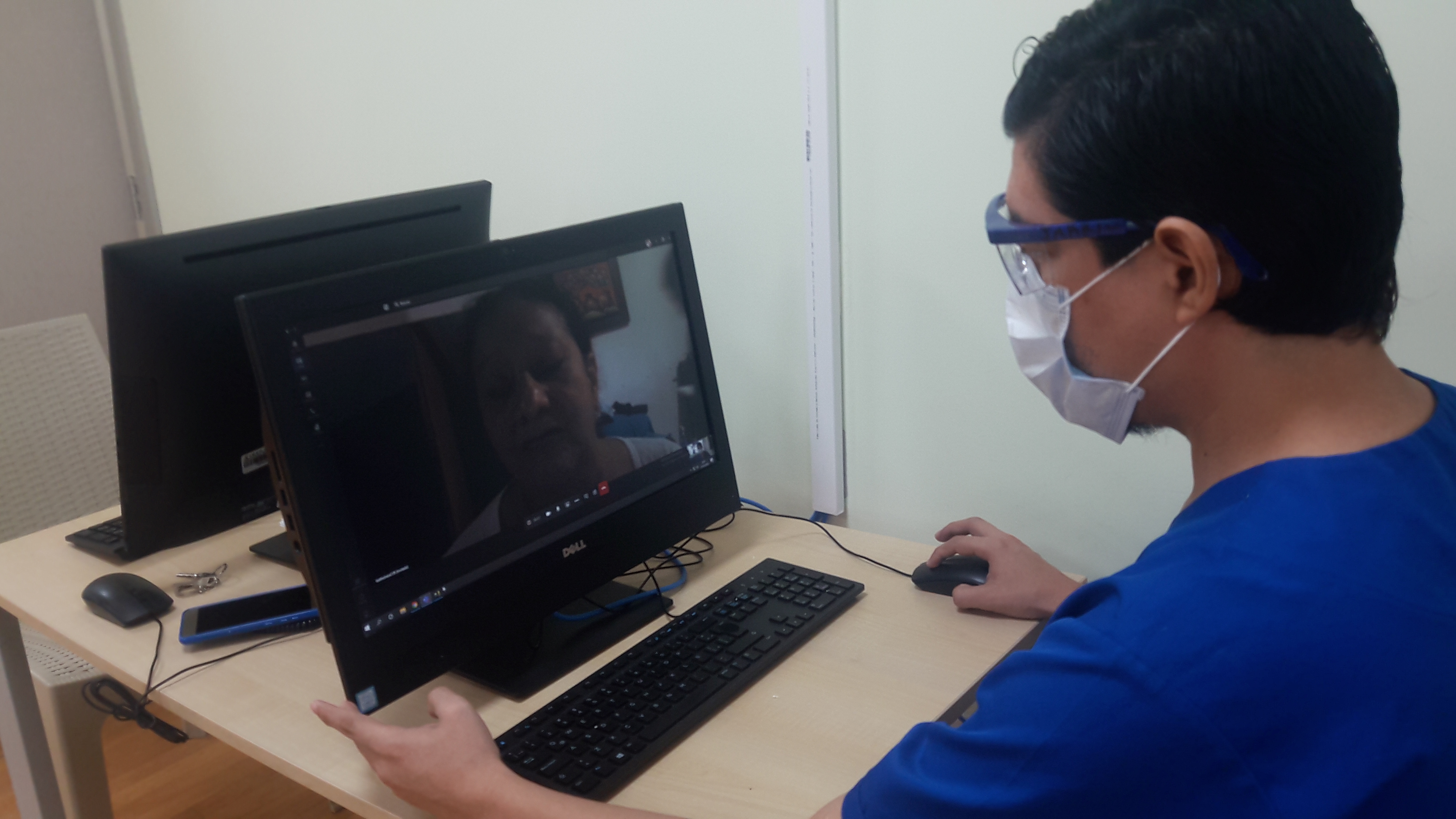
Telehealth leverages digital communication technologies to bridge geographical distances in healthcare. This typically involves synchronous (real-time) interactions like video calls between patients and providers, or asynchronous (store-and-forward) methods where medical information, such as images or patient histories, is collected and sent for later review. EHRs and patient portals play a critical role in managing and sharing this data securely. Remote patient monitoring (RPM) devices, such as wearable sensors that track vital signs, are also integral, transmitting data to clinicians for ongoing assessment. The underlying infrastructure relies on robust internet connectivity, secure data transmission protocols, and user-friendly interfaces for both patients and healthcare professionals.
📊 Key Facts & Numbers
The scale of telehealth adoption is staggering. Before 2020, fewer than 1% of physician visits were conducted via telehealth. By April 2020, this figure had surged to an estimated 43.5% of all outpatient visits in the United States, according to Cerner data. A McKinsey & Company report in 2021 indicated that telehealth utilization stabilized at a level 38 times higher than pre-pandemic rates. Global telehealth market size was valued at approximately $28.1 billion in 2021 and is projected to reach over $200 billion by 2030, with a compound annual growth rate (CAGR) exceeding 25%. In the UK, the NHS reported a 65-fold increase in video consultations between February and April 2020.
👥 Key People & Organizations
Key figures driving telehealth adoption include innovators like Jason Gorevic, CEO of Teladoc Health, who has steered the company through significant growth and acquisitions, and Dr. Rachel Y. Choi, a proponent of virtual care in emergency medicine. Organizations such as the American Telemedicine Association (ATA) and the Center for Connected Health Policy have been instrumental in advocating for favorable policies and providing research. Major healthcare systems like Massachusetts General Hospital and Cleveland Clinic have invested heavily in their own telehealth infrastructure. Technology giants like Google Health and Microsoft are also developing integrated telehealth solutions, signaling broad industry interest.
🌍 Cultural Impact & Influence
Telehealth has reshaped patient expectations and access to care. It has democratized healthcare by removing geographical barriers, enabling individuals in rural or underserved communities to consult with specialists previously out of reach. For patients with chronic conditions, remote monitoring offers continuous oversight and proactive interventions, potentially reducing hospital readmissions. The convenience factor is undeniable, allowing busy professionals and caregivers to manage appointments without significant disruption. Culturally, it has fostered a greater acceptance of digital interactions within the traditionally analog healthcare sector, pushing for greater patient empowerment and self-management of health.
⚡ Current State & Latest Developments
The current landscape of telehealth adoption is marked by a complex recalibration post-pandemic. While the initial surge has subsided, utilization remains significantly higher than pre-2020 levels. Many regulatory flexibilities introduced during the pandemic, such as expanded Medicare reimbursement for telehealth services and relaxed state licensing requirements, are being made permanent or extended, though debates continue. The focus is shifting towards integrating telehealth more seamlessly into hybrid care models, combining virtual and in-person visits. Companies are investing in specialized telehealth platforms for areas like mental health, dermatology, and chronic disease management, with innovations in AI-powered diagnostics and virtual reality therapy emerging.
🤔 Controversies & Debates
Significant controversies surround telehealth adoption. A primary concern is the digital divide, where disparities in internet access, digital literacy, and device ownership can exacerbate existing health inequities, particularly affecting older adults, low-income populations, and certain minority groups. Questions about the quality of care, the ability to conduct thorough physical examinations remotely, and the potential for misdiagnosis are persistent. Data security and patient privacy remain paramount, with concerns about breaches of sensitive health information transmitted over digital networks. Furthermore, the long-term impact on the physician-patient relationship and the potential for telehealth to further fragment care are subjects of ongoing debate among providers and policymakers.
🔮 Future Outlook & Predictions
The future of telehealth adoption points towards a deeply integrated, hybrid healthcare system. Experts predict a continued rise in specialized virtual care services, driven by advancements in remote patient monitoring and AI-driven diagnostics. The development of more sophisticated virtual reality and augmented reality applications could revolutionize remote surgical training and complex consultations. Regulatory frameworks are expected to continue evolving, aiming to balance access with quality and safety. The potential for telehealth to significantly reduce healthcare costs by optimizing resource allocation and preventing acute episodes is a major driver, with projections suggesting it could account for 10-15% of all healthcare spending in developed markets within the next decade.
💡 Practical Applications
Telehealth has a vast array of practical applications across nearly every medical specialty. In primary care, it's used for routine check-ups, prescription refills, and managing common illnesses. Mental health services have seen a massive shift to virtual therapy and psychiatric consultations, offering greater accessibility and anonymity. Dermatology utilizes store-and-forward imaging for rash assessments and follow-ups. Cardiology benefits from remote monitoring of pacemakers and heart conditions. Endocrinology uses telehealth for diabetes management and continuous glucose monitoring data review. Even fields like physical therapy are adapting, with virtual sessions guiding patients through exercises. Telehealth is also crucial for post-operative care, reducing the need for frequent in-person visits.
Key Facts
- Category
- technology
- Type
- topic