
Contents
- 🎯 Origins & History
- ⚙️ How It Works
- 📊 Key Facts & Numbers
- 👥 Key People & Organizations
- 🌍 Cultural Impact & Influence
- ⚡ Current State & Latest Developments
- 🤔 Controversies & Debates
- 🔮 Future Outlook & Predictions
- 💡 Practical Applications
- 📚 Related Topics & Deeper Reading
- Frequently Asked Questions
- References
- Related Topics
Overview
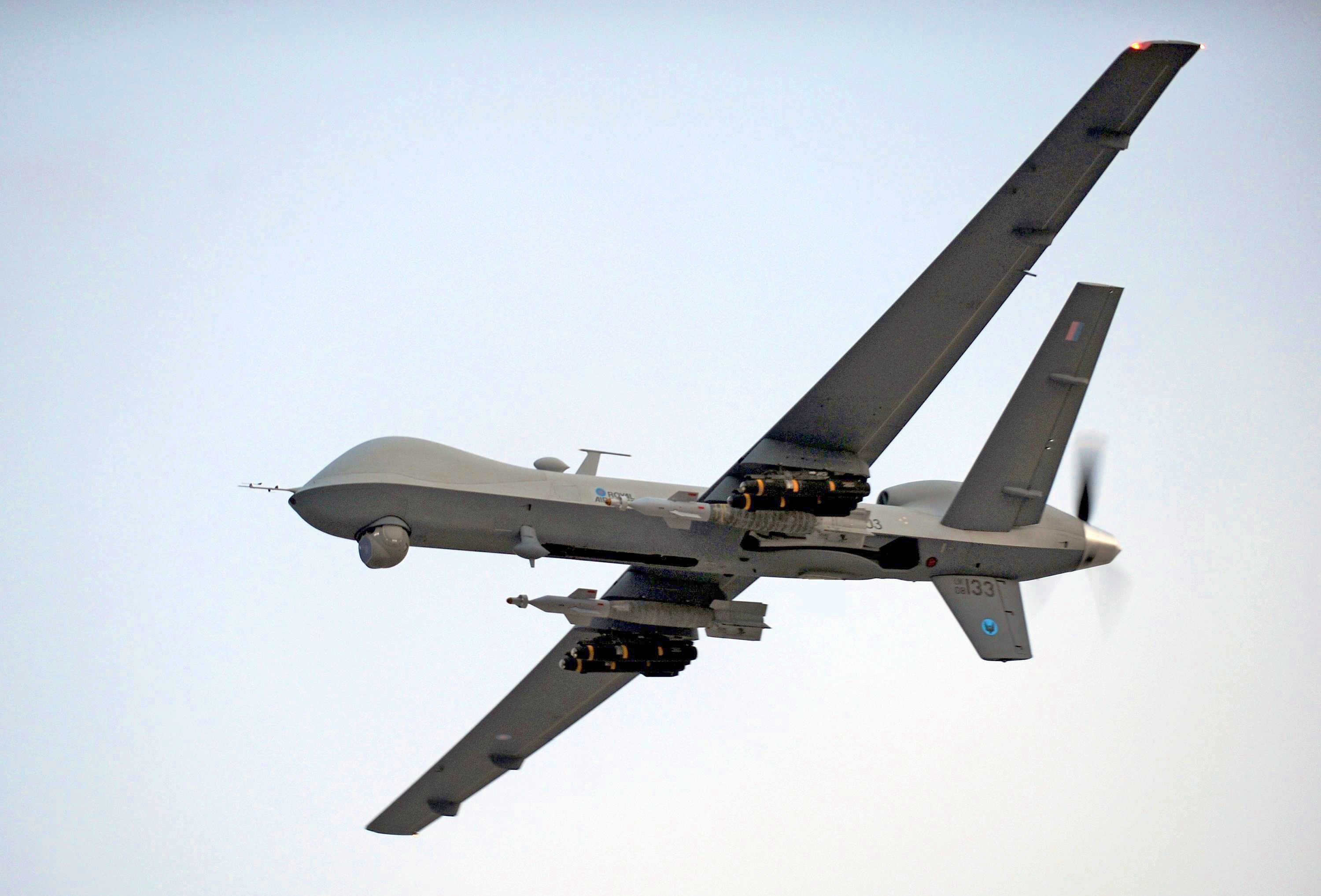
The use of unmanned combat aerial vehicles (drones) has been a key aspect of targeted killing. The development of new technologies, such as autonomous drones, is likely to raise new questions and concerns about the use of targeted killing. The use of drones has been widely adopted by governments around the world.
🎯 Origins & History
The use of unmanned combat aerial vehicles (drones) has been a key aspect of targeted killing. The process usually begins with intelligence gathering, where governments use various sources to identify and track targets. Once a target is identified, a drone is deployed to carry out the strike.
⚙️ How It Works
The use of drones has been controversial, with many arguing that it raises concerns about the potential for abuse and the lack of transparency and accountability. However, proponents argue that drones are more humane and accurate than manned vehicles, and that they reduce the risk of civilian casualties.
📊 Key Facts & Numbers
The development of new technologies, such as autonomous drones, is likely to raise new questions and concerns about the use of targeted killing. The use of drones has been widely adopted by governments around the world, and has been used in a variety of contexts.
👥 Key People & Organizations
The use of drones has sparked debates about the ethics and legality of the practice. Many argue that it is a necessary tool in the fight against terrorism, while others argue that it violates human rights and international law.
🌍 Cultural Impact & Influence
The cultural impact of targeted killing has been significant, with many arguing that it has contributed to a culture of fear and mistrust. The use of drones has also raised concerns about the potential for abuse and the lack of transparency and accountability.
⚡ Current State & Latest Developments
The issue of targeted killings continues to be a complex topic, with many arguing that it is a necessary tool in the fight against terrorism. However, others argue that it is a violation of human rights and international law, and that alternative strategies should be pursued.
🤔 Controversies & Debates
The controversy surrounding targeted killing has sparked debates about the role of governments in carrying out strikes, and the lack of transparency and accountability. The use of drones has also raised concerns about the potential for abuse and the lack of transparency and accountability.
🔮 Future Outlook & Predictions
Looking to the future, it is likely that the use of targeted killing will continue to be a major topic of debate and discussion. The development of new technologies, such as autonomous drones, is likely to raise new questions and concerns about the use of targeted killing.
💡 Practical Applications
The practical applications of targeted killing are numerous, with many arguing that it is a necessary tool in the fight against terrorism. The use of drones has been widely adopted by governments around the world, and has been used in a variety of contexts.
Key Facts
- Category
- history
- Type
- concept
Frequently Asked Questions
What is targeted killing?
Targeted killing is a controversial form of assassination. The use of unmanned combat aerial vehicles (drones) has been a key aspect of targeted killing.
Who has carried out targeted killings?
Governments around the world have carried out targeted killings, using drones in a variety of contexts.
Is targeted killing legal?
The legality of targeted killing is a highly contested topic, with many arguing that it raises concerns about human rights and international law.
What are the consequences of targeted killing?
The consequences of targeted killing are complex and multifaceted, with many arguing that it contributes to a culture of fear and mistrust.