
Contents
Overview
The stone industry involves the extraction and processing of stone materials such as limestone, granite, marble, sand, and gravel. The Chinese market is reportedly the largest consumer of stone materials. The industry has a significant cultural impact and influence, and is a major driver of tourism. The stone industry is subject to various regulations and standards.
🏗️ Origins & History
The stone industry is a global sector, with companies providing equipment and services to quarries and processing facilities around the world.
⚙️ How It Works
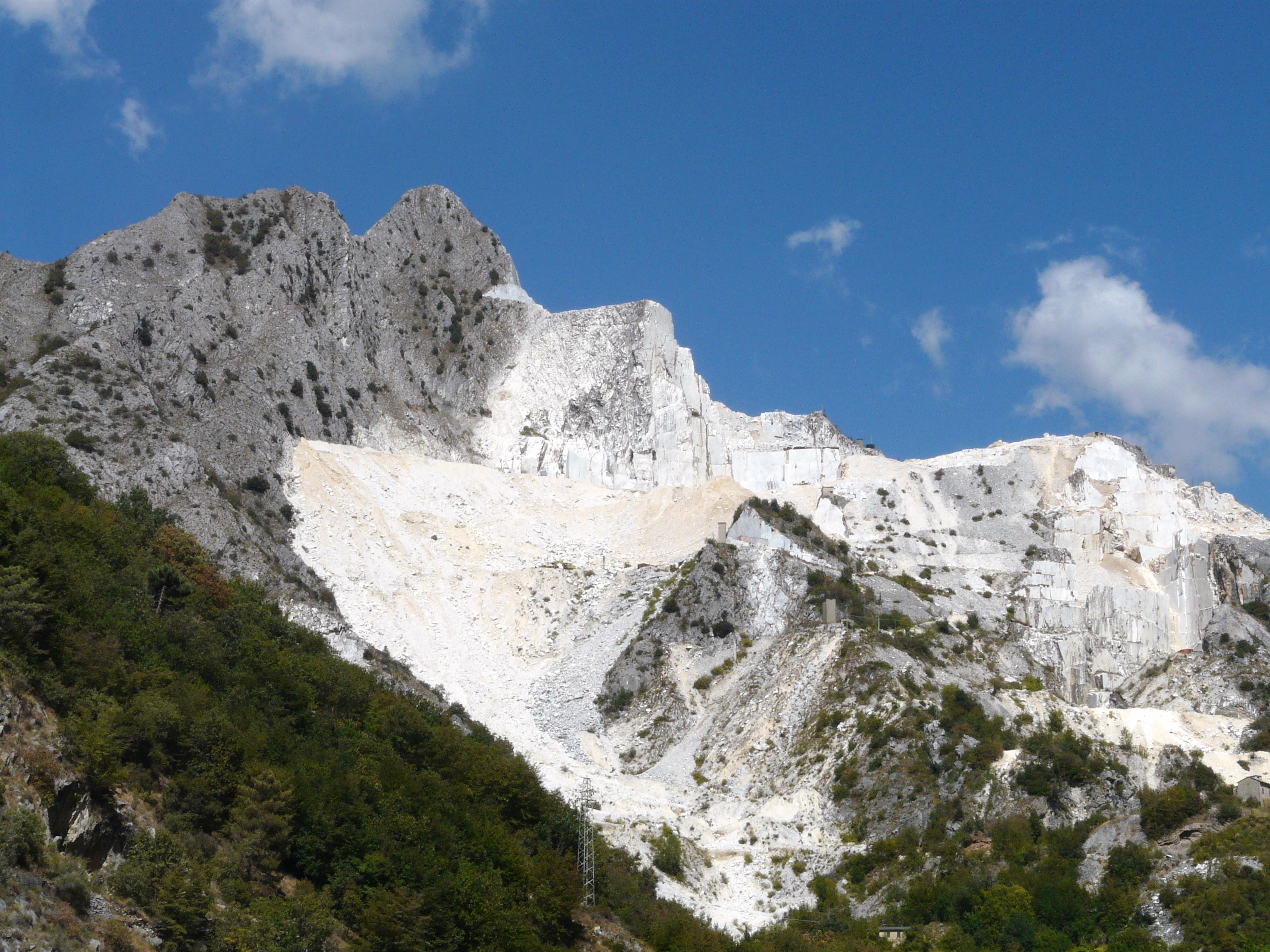
The stone industry involves several stages, from extraction to processing and distribution. The extraction process typically involves quarrying, which is the removal of stone from the earth using various techniques. The extracted stone is then processed into various products, such as aggregates, dimension stone, and rubble, using equipment like crushers, screens, and conveyors.
📊 Key Facts & Numbers
The stone industry has a significant cultural impact and influence, with stone being used in various forms of art, architecture, and design. The industry is also a major driver of tourism, with many people visiting stone quarries and processing facilities around the world each year.
👥 Key People & Organizations
The stone industry is dominated by several large players, although their specific roles and market shares are not well-defined. Other notable players in the industry include various small and medium-sized enterprises, which play a crucial role in providing specialized services and products to the sector.
🌍 Cultural Impact & Influence
The stone industry has a significant cultural impact and influence, with stone being used in various forms of art, architecture, and design. The industry is also a major driver of tourism, with many people visiting stone quarries and processing facilities around the world each year.
⚡ Current State & Latest Developments
The stone industry is currently facing several challenges, including increasing environmental concerns and fluctuating demand. The industry is also subject to various regulations and standards, which can vary by country and region.
🤔 Controversies & Debates
The stone industry is not without its controversies and debates, with some critics arguing that the industry has a significant environmental impact. The industry is also subject to various regulations and standards, which can vary by country and region.
🔮 Future Outlook & Predictions
The future of the stone industry is uncertain, with various factors influencing its development. The industry is expected to continue evolving, with new technologies and techniques being developed to improve efficiency and reduce environmental impact.
💡 Practical Applications
The stone industry has a range of practical applications, from construction and architecture to art and design. Stone is used in various forms, including aggregates, dimension stone, and rubble, and is an essential material for building roads, bridges, and other infrastructure.
Key Facts
- Category
- industry
- Type
- topic