
Contents
- 🎵 Origins & History
- ⚙️ How It Works
- 📊 Key Facts & Numbers
- 👥 Key People & Organizations
- 🌍 Cultural Impact & Influence
- ⚡ Current State & Latest Developments
- 🤔 Controversies & Debates
- 🔮 Future Outlook & Predictions
- 💡 Practical Applications
- 📚 Related Topics & Deeper Reading
- Frequently Asked Questions
- References
- Related Topics
Overview
The history of stimulants is as old as civilization itself, with early humans discovering the energizing properties of plants like the Ephedra sinica plant, used for millennia in traditional Chinese medicine as 'ma huang,' and the coca plant in South America, chewed for its stimulating effects by indigenous peoples. The isolation of ephedrine in 1885 and cocaine in 1860 marked a scientific turning point, allowing for the study and synthesis of these compounds. The early 20th century saw the synthesis of amphetamine by Gordon Alles in 1929, initially explored for its potential to treat asthma and later found to be effective against narcolepsy and obesity. Methamphetamine, a more potent derivative, was first synthesized in 1893 by Nagai Nagayoshi, with its stimulant properties recognized later. The widespread use and subsequent abuse of amphetamines during World War II, particularly by pilots and soldiers, foreshadowed the complex relationship humanity would have with these powerful substances.
⚙️ How It Works
Stimulants primarily exert their effects by modulating the activity of key neurotransmitters in the brain, most notably dopamine and norepinephrine. These neurotransmitters play crucial roles in regulating mood, attention, reward, and arousal. Many stimulants, like amphetamines and methylphenidate, work by blocking the reuptake of these neurotransmitters from the synaptic cleft, thereby increasing their concentration and prolonging their action. Others, such as cocaine, inhibit the transporters for dopamine, norepinephrine, and serotonin. Some stimulants, like modafinil, have more complex mechanisms, potentially involving histamine and orexin pathways, leading to wakefulness without the pronounced euphoria or addictive potential of classical stimulants. The sympathetic nervous system is also heavily activated, leading to increased heart rate, blood pressure, and respiration.
📊 Key Facts & Numbers
The global market for prescription stimulants, primarily for ADHD treatment, is estimated to be worth over $18 billion annually, with methylphenidate and amphetamine salts being dominant. Globally, an estimated 150 million people use caffeine daily, making it the most widely consumed stimulant. In contrast, illicit stimulant use is harder to quantify but significant; for instance, global seizures of cocaine have averaged over 1,000 metric tons per year in recent years, and methamphetamine production and trafficking have seen dramatic increases, particularly in North America and Southeast Asia. The pharmaceutical industry, led by companies like Shire plc (now part of Takeda) and Novartis, heavily invests in the development and marketing of stimulant medications, generating billions in revenue.
👥 Key People & Organizations
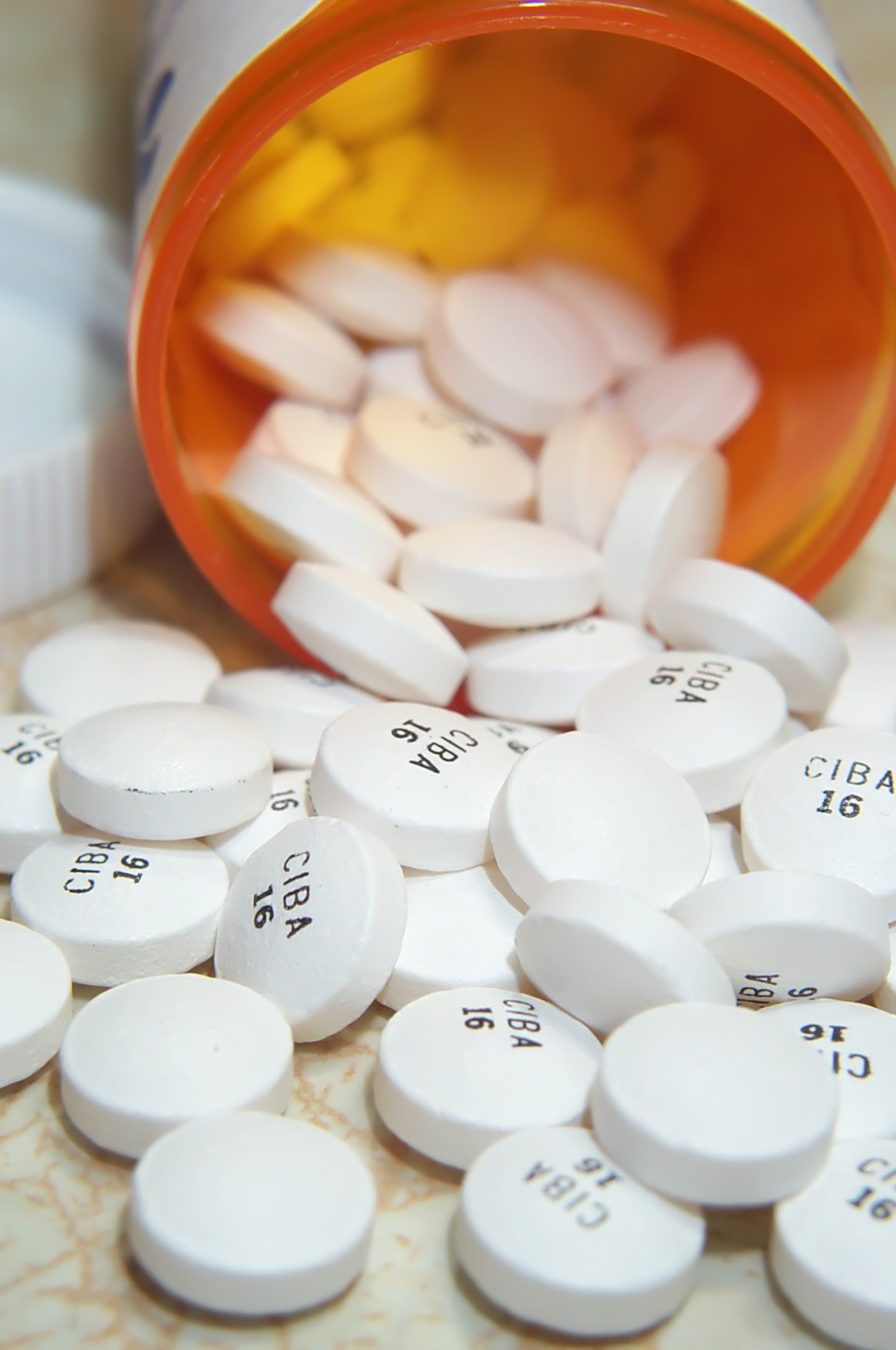
Key figures in the history of stimulants include Gordon Alles, who synthesized amphetamine in 1929, and Nagai Nagayoshi, who first synthesized methamphetamine in 1893. Pharmaceutical companies like Eli Lilly and Company, which developed early amphetamine-based medications, and Ciba-Geigy (now part of Novartis), which developed Ritalin (methylphenidate), have played pivotal roles. In the realm of illicit stimulants, figures like Frank Lucas, a notorious drug lord whose operations were depicted in the film American Gangster, highlight the criminal enterprises built around these substances. Organizations such as the DEA in the United States and the UNODC globally work to combat illicit stimulant trafficking and mitigate their harms.
🌍 Cultural Impact & Influence
Stimulants have profoundly shaped culture, from the widespread adoption of coffeehouses as centers of intellectual discourse in the 17th and 18th centuries to their portrayal in literature and film. The 'beat generation' writers like Jack Kerouac and Allen Ginsberg famously used stimulants to fuel their creative output. In music, the energetic rhythms and lyrical themes of genres like punk rock and hip hop have often been associated with stimulant use. The 'go-getter' ethos of modern capitalism is also implicitly linked to the drive and focus provided by stimulants, both prescribed and otherwise. Conversely, the stark realities of addiction, as depicted in films like Requiem for a Dream, serve as a powerful cultural counterpoint, illustrating the devastating personal and societal costs.
⚡ Current State & Latest Developments
The landscape of stimulant use is continually evolving. In pharmaceuticals, there's a growing interest in developing novel non-stimulant treatments for ADHD and exploring the therapeutic potential of stimulants for conditions beyond their current approved uses, such as treatment-resistant depression. Simultaneously, the illicit stimulant market is marked by the increasing prevalence of synthetic cathinones ('bath salts') and the persistent challenge of methamphetamine production and distribution, often involving sophisticated clandestine laboratories. Regulatory bodies like the FDA are constantly reviewing the safety and efficacy of prescription stimulants, while international law enforcement agencies grapple with the ever-changing tactics of drug cartels. The rise of online pharmacies and dark web markets also presents new challenges for controlling access to both prescription and illicit stimulants.
🤔 Controversies & Debates
The most significant controversy surrounding stimulants centers on their potential for abuse and addiction, particularly with illicit substances like cocaine and methamphetamine. For prescription stimulants, debates rage over the over-diagnosis of ADHD in children and the long-term effects of early exposure. Critics question whether the benefits of these medications outweigh the risks of dependence, cardiovascular issues, and psychiatric side effects. Furthermore, the ethical implications of using stimulants to enhance cognitive and physical performance in healthy individuals, often termed 'cognitive enhancement' or 'smart drugs,' raise questions about fairness, equity, and what it means to be human. The criminalization of stimulant possession and use also fuels debates about drug policy, mass incarceration, and the effectiveness of 'war on drugs' approaches versus harm reduction strategies.
🔮 Future Outlook & Predictions
The future of stimulants likely involves a dual trajectory: increasingly sophisticated pharmaceutical interventions and persistent challenges with illicit substances. Researchers are exploring new molecular targets to create stimulants with greater specificity and fewer side effects, potentially leading to more effective treatments for neurological and psychiatric disorders. There's also a growing interest in microdosing psychedelics, which some users report can offer cognitive benefits without the intense effects of traditional stimulants. On the illicit side, the ingenuity of clandestine chemists, coupled with global supply chain dynamics, suggests that new synthetic stimulants will continue to emerge, posing ongoing challenges for public health and law enforcement. The debate over drug policy is also likely to intensify, with potential shifts towards decriminalization or legalization models in some regions, fundamentally altering the societal response to stimulant use.
💡 Practical Applications
Stimulants have a wide array of practical applications, ranging from therapeutic interventions to everyday enhancements. In medicine, methylphenidate (e.g., Ritalin, Concerta) and amphetamine salts (e.g., Adderall, Vyvanse) are cornerstones in treating ADHD, improving focus and impulse control in millions. Modafinil is prescribed for narcolepsy and shift work sleep disorder, promoting wakefulness. Caffeine, found in coffee, tea, and energy drinks, is ubiquitously used to combat fatigue and enhance alertness. Nicotine, despite its addictive nature, is used in nicotine replacement therapy to aid smoking cessation. Beyond medicine, stimulants are sometimes used illicitly or off-label for performance enhancement in academics and athletics, though this carries significant health and ethical risks.
Key Facts
- Year
- Ancient times - Present
- Origin
- Global
- Category
- science
- Type
- concept
Frequently Asked Questions
What are the most common stimulants?
The most common stimulants include naturally occurring substances like caffeine (found in coffee, tea, chocolate) and nicotine (in tobacco). Prescription stimulants widely used therapeutically include methylphenidate (e.g., Ritalin) and amphetamine salts (e.g., Adderall), prescribed for conditions like ADHD. Illicitly, cocaine and methamphetamine are among the most potent and widely abused stimulants, known for their powerful euphoric and addictive effects.
How do stimulants affect the brain?
Stimulants primarily affect the brain by increasing the levels of key neurotransmitters, particularly dopamine and norepinephrine, in the synaptic cleft. This leads to enhanced neuronal signaling, which translates to increased alertness, focus, and energy. Some stimulants block the reuptake of these neurotransmitters, while others may increase their release. This heightened activity in brain circuits associated with reward, motivation, and attention is responsible for both the desired effects and the potential for addiction.
Are all stimulants addictive?
While many stimulants have a high potential for addiction, not all do, and the degree of addiction risk varies significantly. Potent illicit stimulants like cocaine and methamphetamine are highly addictive due to their rapid and intense effects on the brain's reward pathways. Prescription stimulants like methylphenidate and amphetamine also carry a risk of dependence, especially when misused or taken in higher doses than prescribed. Milder stimulants like caffeine are generally considered to have a low addiction potential, though withdrawal symptoms can occur.
What are the main health risks associated with stimulant use?
The health risks associated with stimulant use depend heavily on the specific substance, dosage, and duration of use. Common risks include cardiovascular problems such as increased heart rate, elevated blood pressure, and arrhythmias, which can be particularly dangerous for individuals with pre-existing heart conditions. Psychological effects can include anxiety, paranoia, psychosis, and mood disturbances. Long-term abuse of potent stimulants like methamphetamine can lead to severe dental problems ('meth mouth'), malnutrition, and significant neurological damage. For prescription stimulants, misuse can lead to dependence, overdose, and adverse psychiatric reactions.
Can stimulants be used for cognitive enhancement in healthy individuals?
Yes, stimulants are sometimes used by healthy individuals seeking to enhance cognitive functions like focus, memory, and alertness, a practice often referred to as 'cognitive enhancement' or 'smart drugs.' Prescription stimulants like modafinil and methylphenidate are sometimes used off-label for this purpose. However, this use is controversial due to potential health risks, ethical concerns about fairness and equity, and the lack of long-term studies on the effects of such use in non-clinical populations. The efficacy and safety of using stimulants for non-medical cognitive enhancement remain subjects of ongoing debate.
How are stimulants regulated?
Stimulants are subject to varying levels of regulation worldwide, ranging from widespread availability of substances like caffeine to strict controls on prescription medications and outright prohibition of illicit drugs. Prescription stimulants are classified as controlled substances in many countries, requiring a doctor's prescription and often subject to prescription monitoring programs to prevent diversion and abuse. Illicit stimulants like cocaine and methamphetamine are illegal to possess, manufacture, or distribute in most jurisdictions, with severe legal penalties for violations. International treaties, such as those managed by the UNODC, aim to coordinate global efforts to control the production and trafficking of these substances.
What is the future outlook for stimulant research and development?
The future of stimulant research is multifaceted. In pharmaceuticals, efforts are focused on developing new medications for ADHD and other neurological conditions that offer improved efficacy and reduced side effects, potentially including non-stimulant alternatives. Researchers are also investigating the therapeutic potential of stimulants for conditions like treatment-resistant depression. Simultaneously, there's ongoing work to understand and combat the evolving landscape of illicit synthetic stimulants, as well as exploring novel approaches to addiction treatment. The ethical debates surrounding cognitive enhancement are also likely to shape future research directions and societal acceptance.