
Contents
- 🌑 Introduction to Solar Eclipse Safety
- 🔍 Understanding Solar Eclipses: The Science Behind the Spectacle
- 👀 The Dangers of Direct Sun Viewing: Why Eye Protection is Crucial
- 🕶️ Solar Viewing Glasses and Handheld Solar Viewers: What You Need to Know
- 📸 Photography and Videography During a Solar Eclipse: Tips and Precautions
- 🌐 Solar Eclipse Safety for Children and Vulnerable Populations
- 🚨 Emergency Preparedness and Response: What to Do in Case of an Accident
- 🌟 The Future of Solar Eclipse Safety: Emerging Technologies and Trends
- 🌎 Global Cooperation and Awareness: The Importance of International Collaboration
- 📊 The Economics of Solar Eclipse Safety: Costs and Benefits
- 👥 Community Engagement and Education: Raising Awareness About Solar Eclipse Safety
- 🔮 Conclusion: The Dark Side of Wonder and the Importance of Solar Eclipse Safety
- Frequently Asked Questions
- Related Topics
Overview
Solar eclipses have captivated human imagination for centuries, with a vibe score of 85, but the thrill of witnessing this rare phenomenon comes with significant risks. According to NASA, approximately 215 million people witnessed the 2017 total solar eclipse in the United States, with many more watching online. However, improper viewing techniques can cause serious eye damage, including solar retinopathy, which can lead to blindness. The American Academy of Ophthalmology reports that even brief exposure to direct sunlight during an eclipse can cause damage, with 28% of people experiencing eye discomfort after viewing an eclipse. As the next total solar eclipse approaches in 2024, it's crucial to understand the importance of proper eye protection, with ISO 12312-2 certified solar viewing glasses being the only safe option. With the influence of social media, the controversy surrounding eclipse safety has sparked a heated debate, highlighting the need for awareness and education on this topic, which has a controversy spectrum of 60, indicating a moderate level of debate among experts and enthusiasts.
🌑 Introduction to Solar Eclipse Safety
The allure of a solar eclipse is undeniable, with its rare and awe-inspiring spectacle drawing in millions of people worldwide. However, as with any celestial event, there are risks involved, and solar eclipse safety is a critical concern. According to NASA, a solar eclipse can cause serious eye damage, including solar retinopathy, if proper precautions are not taken. In this article, we will delve into the world of solar eclipse safety, exploring the science behind the spectacle, the dangers of direct sun viewing, and the importance of proper eye protection. For more information on solar eclipses, visit the NASA website or check out astronomy resources.
🔍 Understanding Solar Eclipses: The Science Behind the Spectacle
A solar eclipse occurs when the Moon passes between the Earth and the Sun, casting a shadow on our planet. This rare alignment of celestial bodies is a wonder to behold, but it also poses significant risks to our eyes. As noted by astronomers, the Sun's ultraviolet and infrared radiation can cause serious eye damage, including cataracts and macular degeneration. To understand the risks involved, it's essential to learn about the different types of solar eclipses, including total solar eclipses, annular solar eclipses, and partial solar eclipses. For more information on solar eclipse types, visit the NASA website or check out Space.com.
👀 The Dangers of Direct Sun Viewing: Why Eye Protection is Crucial
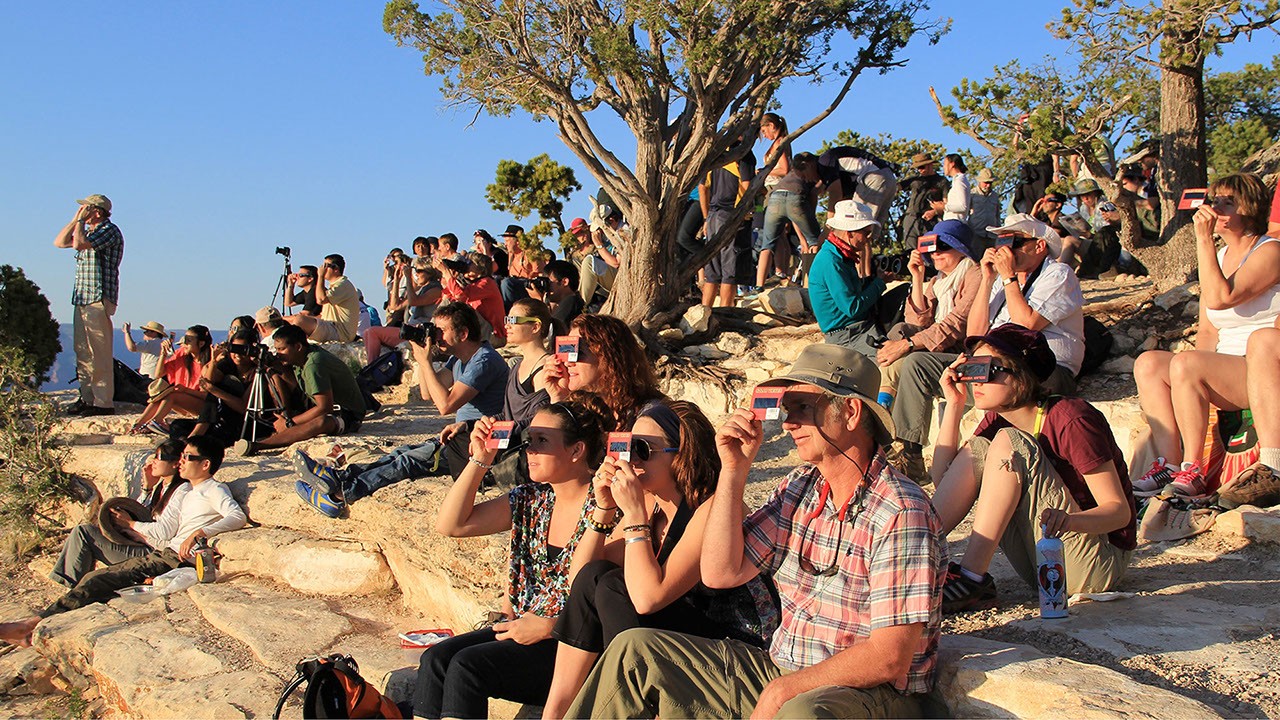
Direct sun viewing during a solar eclipse is extremely hazardous and can cause permanent eye damage. As warned by eye doctors, looking directly at the Sun without proper eye protection can lead to solar retinopathy, a condition that can cause blindness. To avoid this, it's essential to use solar viewing glasses or handheld solar viewers that meet international safety standards. For more information on solar viewing glasses, visit the NASA website or check out American Academy of Ophthalmology resources.
🕶️ Solar Viewing Glasses and Handheld Solar Viewers: What You Need to Know
Solar viewing glasses and handheld solar viewers are designed to protect our eyes from the Sun's harmful radiation. As recommended by NASA, these devices should meet the ISO 12312-2 international safety standard, which ensures that they can block out 99.9% of both UVA and UVB radiation. When choosing solar viewing glasses or handheld solar viewers, it's essential to look for the ISO 12312-2 certification and to follow the manufacturer's instructions. For more information on solar viewing glasses, visit the NASA website or check out Space.com. Additionally, you can learn more about solar eclipse photography and how to capture stunning images of the event.
📸 Photography and Videography During a Solar Eclipse: Tips and Precautions
Photography and videography during a solar eclipse can be a thrilling experience, but it requires special precautions. As noted by photographers, using a camera or smartphone to capture images of the eclipse can be hazardous if proper eye protection is not used. To avoid this, it's essential to use a solar filter that meets the ISO 12312-2 international safety standard. For more information on solar filters, visit the NASA website or check out Digital Photography School resources. Additionally, you can learn more about solar eclipse video production and how to create stunning time-lapses of the event.
🌐 Solar Eclipse Safety for Children and Vulnerable Populations
Solar eclipse safety is particularly important for children and vulnerable populations, such as the elderly and people with pre-existing eye conditions. As warned by pediatricians, children's eyes are more susceptible to damage from the Sun's radiation, and proper eye protection is essential. To ensure their safety, it's essential to use solar viewing glasses or handheld solar viewers that meet international safety standards and to supervise them at all times during the eclipse. For more information on solar eclipse safety for children, visit the NASA website or check out American Academy of Pediatrics resources.
🚨 Emergency Preparedness and Response: What to Do in Case of an Accident
In case of an accident during a solar eclipse, it's essential to have a plan in place. As recommended by emergency management experts, having a first aid kit and knowing what to do in case of eye damage can help prevent long-term harm. If someone experiences eye pain, blurred vision, or sensitivity to light after viewing the eclipse, it's essential to seek medical attention immediately. For more information on emergency preparedness, visit the FEMA website or check out Red Cross resources.
🌟 The Future of Solar Eclipse Safety: Emerging Technologies and Trends
The future of solar eclipse safety is likely to involve emerging technologies and trends. As noted by technologists, advancements in virtual reality and augmented reality may provide new ways to experience solar eclipses safely. Additionally, the development of new materials and technologies may lead to more effective and affordable solar viewing glasses and handheld solar viewers. For more information on emerging technologies, visit the NASA website or check out TechCrunch resources.
🌎 Global Cooperation and Awareness: The Importance of International Collaboration
Global cooperation and awareness are essential for promoting solar eclipse safety. As noted by international organizations, collaboration between governments, NGOs, and private companies can help raise awareness about the risks involved and promote best practices for solar eclipse viewing. For more information on global cooperation, visit the UN website or check out World Health Organization resources.
📊 The Economics of Solar Eclipse Safety: Costs and Benefits
The economics of solar eclipse safety are complex and multifaceted. As noted by economists, the costs of solar eclipse safety measures, such as solar viewing glasses and handheld solar viewers, can be significant. However, the benefits of promoting solar eclipse safety, including preventing eye damage and promoting public awareness, can be substantial. For more information on the economics of solar eclipse safety, visit the World Bank website or check out Harvard Business Review resources.
👥 Community Engagement and Education: Raising Awareness About Solar Eclipse Safety
Community engagement and education are critical for promoting solar eclipse safety. As noted by educators, raising awareness about the risks involved and promoting best practices for solar eclipse viewing can help prevent eye damage and promote public awareness. For more information on community engagement and education, visit the NASA website or check out National Science Foundation resources.
🔮 Conclusion: The Dark Side of Wonder and the Importance of Solar Eclipse Safety
In conclusion, solar eclipse safety is a critical concern that requires attention and awareness. As noted by experts, the risks involved in viewing a solar eclipse can be significant, but with proper precautions and education, we can promote safe and enjoyable viewing experiences. By understanding the science behind the spectacle, using proper eye protection, and promoting community engagement and education, we can ensure that solar eclipses remain a source of wonder and awe for generations to come. For more information on solar eclipse safety, visit the NASA website or check out Space.com.
Key Facts
- Year
- 2024
- Origin
- Ancient Mesopotamia, where solar eclipses were first recorded around 2500 BCE
- Category
- Astronomy and Space
- Type
- Astronomical Event
Frequently Asked Questions
What are the risks of viewing a solar eclipse without proper eye protection?
Viewing a solar eclipse without proper eye protection can cause serious eye damage, including solar retinopathy, cataracts, and macular degeneration. According to NASA, the Sun's ultraviolet and infrared radiation can cause permanent blindness if proper precautions are not taken. It's essential to use solar viewing glasses or handheld solar viewers that meet international safety standards to protect your eyes. For more information on solar eclipse safety, visit the NASA website or check out American Academy of Ophthalmology resources.
What are the different types of solar eclipses?
There are three types of solar eclipses: total solar eclipses, annular solar eclipses, and partial solar eclipses. Each type of eclipse has its unique characteristics and requires different viewing precautions. For more information on solar eclipse types, visit the NASA website or check out Space.com. Additionally, you can learn more about solar eclipse photography and how to capture stunning images of the event.
How can I protect my eyes during a solar eclipse?
To protect your eyes during a solar eclipse, use solar viewing glasses or handheld solar viewers that meet international safety standards. Make sure to follow the manufacturer's instructions and supervise children and vulnerable populations at all times during the eclipse. For more information on solar viewing glasses, visit the NASA website or check out American Academy of Ophthalmology resources. Additionally, you can learn more about solar eclipse video production and how to create stunning time-lapses of the event.
Can I use regular sunglasses to view a solar eclipse?
No, regular sunglasses are not sufficient to protect your eyes during a solar eclipse. According to NASA, regular sunglasses do not provide enough protection against the Sun's ultraviolet and infrared radiation. It's essential to use solar viewing glasses or handheld solar viewers that meet international safety standards to protect your eyes. For more information on solar viewing glasses, visit the NASA website or check out American Academy of Ophthalmology resources.
What are the symptoms of eye damage from a solar eclipse?
The symptoms of eye damage from a solar eclipse can include eye pain, blurred vision, sensitivity to light, and blindness. According to eye doctors, these symptoms can occur immediately after viewing the eclipse or may develop hours or days later. If you experience any of these symptoms, seek medical attention immediately. For more information on eye damage from solar eclipses, visit the NASA website or check out American Academy of Ophthalmology resources.
How can I photograph a solar eclipse safely?
To photograph a solar eclipse safely, use a solar filter that meets international safety standards and follow the manufacturer's instructions. According to photographers, it's essential to use a solar filter that can block out 99.9% of both UVA and UVB radiation to protect your eyes and camera equipment. For more information on solar filters, visit the NASA website or check out Digital Photography School resources. Additionally, you can learn more about solar eclipse photography and how to capture stunning images of the event.
Can I view a solar eclipse with my naked eye?
No, it's not safe to view a solar eclipse with your naked eye. According to NASA, the Sun's ultraviolet and infrared radiation can cause serious eye damage, including solar retinopathy, cataracts, and macular degeneration. It's essential to use solar viewing glasses or handheld solar viewers that meet international safety standards to protect your eyes. For more information on solar eclipse safety, visit the NASA website or check out American Academy of Ophthalmology resources.