
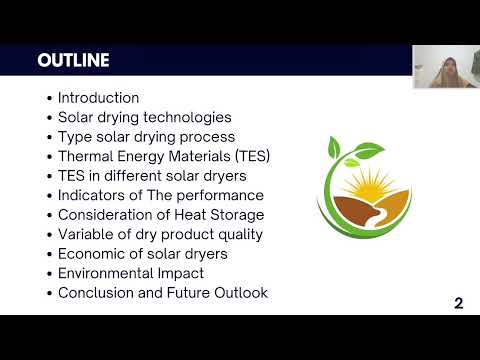
Contents
Overview
Solar drying is an ancient technique that utilizes the sun's energy to dehydrate food and other materials, extending their shelf life without the need for artificial energy sources. This method has roots tracing back thousands of years, with cultures across the globe employing it for everything from fruits and vegetables to herbs and meats. The process involves placing items in direct sunlight, often using specially designed solar dryers to optimize efficiency and protect against pests. As the world grapples with food waste and energy consumption, solar drying emerges as a practical solution that not only preserves but also promotes sustainability. With advancements in technology and growing interest in renewable energy, the future of solar drying looks promising, potentially reshaping food preservation practices worldwide.
☀️ What is Solar Drying?
Solar drying is a low-tech, sustainable method for preserving food and other materials by using the sun's energy to evaporate moisture. This process significantly extends shelf life, reduces spoilage, and retains nutritional value without the need for electricity or fossil fuels. Historically, sun-drying in open fields was common, but modern solar dryers offer controlled environments, leading to faster drying times and improved hygiene. It's a cornerstone of food preservation in many parts of the world, particularly in regions with abundant sunshine and limited access to conventional energy sources.
🎯 Who Benefits Most?
This method is ideal for smallholder farmers, rural communities, and households looking to reduce post-harvest losses, especially for fruits, vegetables, herbs, and grains. It's also a boon for artisans drying materials like clay or textiles, and for anyone seeking to create shelf-stable products with minimal environmental impact. Individuals interested in off-grid living or reducing their carbon footprint will find solar drying a highly practical and rewarding technique. It empowers users to take control of their food supply and create value-added products.
🛠️ Types of Solar Dryers
Solar dryers range from simple solar tents and cabinet dryers to more complex multi-tray designs and solar tunnels. Basic designs, like the Trombe wall dryer, utilize a black absorber surface to heat air, which then circulates through a drying chamber. More advanced models incorporate features like forced convection, insulation, and reflective surfaces to optimize heat capture and airflow. The choice of dryer often depends on the scale of operation, the type of material being dried, and local climate conditions, with passive solar design principles being central to most effective units.
📈 Performance & Efficiency
The efficiency of solar drying is heavily influenced by factors such as solar irradiance, ambient temperature, humidity, and dryer design. Well-designed solar dryers can achieve drying temperatures significantly higher than ambient air, accelerating the process. For instance, a properly constructed cabinet dryer might reduce moisture content in fruits by 50% within a day or two, depending on conditions. Drying kinetics studies are crucial for optimizing these systems, ensuring consistent quality and preventing microbial growth, a key concern in food safety protocols.
💰 Cost & Affordability
The cost of solar dryers can vary widely, from DIY setups costing less than $50 to commercial units costing thousands. Simple solar tents or basic cabinet dryers can be constructed using readily available materials like wood, plastic sheeting, and mesh, making them highly affordable for low-income users. More sophisticated designs with automated controls and durable materials will naturally command higher prices. However, the long-term savings on energy costs and reduced food spoilage often make the initial investment a sound economic decision, especially when considering circular economy principles.
🌍 Global Impact & Adoption
Solar drying has a significant global footprint, particularly in tropical and subtropical regions where solar resources are plentiful. Countries like India, Kenya, and the Philippines have seen widespread adoption, driven by initiatives promoting sustainable agriculture and reducing post-harvest losses. Organizations like the Food and Agriculture Organization (FAO) have supported the dissemination of solar drying technologies to empower smallholder farmers and enhance food security. The technology's scalability makes it a vital tool in the fight against hunger and poverty.
🤔 Pros and Cons
The primary advantages of solar drying include its low operating cost, environmental friendliness, and ability to preserve food quality. It reduces reliance on expensive and polluting energy sources. However, challenges exist: drying times can be longer than conventional methods, and performance is dependent on weather conditions. Inconsistent sunshine can lead to slower drying or potential spoilage if not managed carefully. Furthermore, ensuring adequate hygiene to prevent contamination during the drying process is paramount, a point often debated in food processing standards.
💡 Practical Tips for Users
When using a solar dryer, ensure materials are clean and uniformly cut for even drying. Position the dryer in direct sunlight, away from shade, and orient it to maximize solar exposure. Regularly check the drying progress and rotate or stir materials as needed. For cabinet dryers, monitor temperature and humidity to prevent overheating or mold growth. Consider using dehydrated food storage techniques, such as vacuum sealing or airtight containers, to maintain quality and prevent rehydration once drying is complete.
📞 Getting Started
To get started with solar drying, assess your needs: what materials will you be drying, and in what quantities? Research different solar dryer designs and choose one that fits your budget and technical skills. Many resources are available online for building DIY dryers, or you can explore purchasing pre-made units. Connect with local agricultural extension services or sustainable technology organizations for guidance and support. Understanding the basics of food preservation techniques will greatly enhance your success.
Key Facts
- Year
- 2023
- Origin
- Ancient civilizations
- Category
- Sustainable Practices
- Type
- Technique
Frequently Asked Questions
How long does solar drying take compared to conventional methods?
Solar drying typically takes longer than conventional methods like electric dehydrators or oven drying. Drying times can range from one to several days, depending on the material, the dryer's efficiency, and weather conditions. However, the trade-off is significantly lower operating costs and a reduced environmental footprint. For instance, drying herbs might take 1-3 days in a solar dryer, while fruits could take 2-5 days.
Can solar drying be used for all types of food?
Solar drying is highly effective for a wide range of foods, including fruits, vegetables, herbs, grains, and even some meats and fish (with proper precautions). However, foods with high fat content may not be ideal for solar drying due to potential rancidity. The key is to reduce moisture content sufficiently to inhibit microbial growth, a principle applicable across various food preservation methods.
What are the main hygiene concerns with solar drying?
The primary hygiene concern is preventing contamination from insects, dust, and microorganisms. Open sun-drying is particularly vulnerable. Solar dryers with enclosed chambers and mesh screens offer better protection. Regular cleaning of the dryer and ensuring materials are properly handled before and after drying are crucial steps in maintaining food safety.
Is solar drying energy-efficient?
Yes, solar drying is exceptionally energy-efficient as it directly harnesses free solar energy. It eliminates the need for electricity or fossil fuels, making it a highly sustainable and cost-effective renewable energy solution. This makes it particularly valuable in regions with unreliable or expensive conventional power grids.
Can I build a solar dryer myself?
Absolutely. Many simple and effective DIY solar dryer designs are available online, often using readily accessible materials like plywood, plastic sheeting, and window screens. Building your own can be a cost-effective way to start, and it provides a hands-on understanding of solar technology principles. Numerous tutorials and plans cater to various skill levels.
What is the difference between passive and active solar drying?
Passive solar drying relies solely on natural convection and solar radiation, with no mechanical components. Active solar drying uses fans or pumps to enhance airflow and heat transfer, often powered by small solar panels. While active systems can be more efficient, passive systems are simpler, cheaper, and more reliable in off-grid settings.