
Contents
Overview
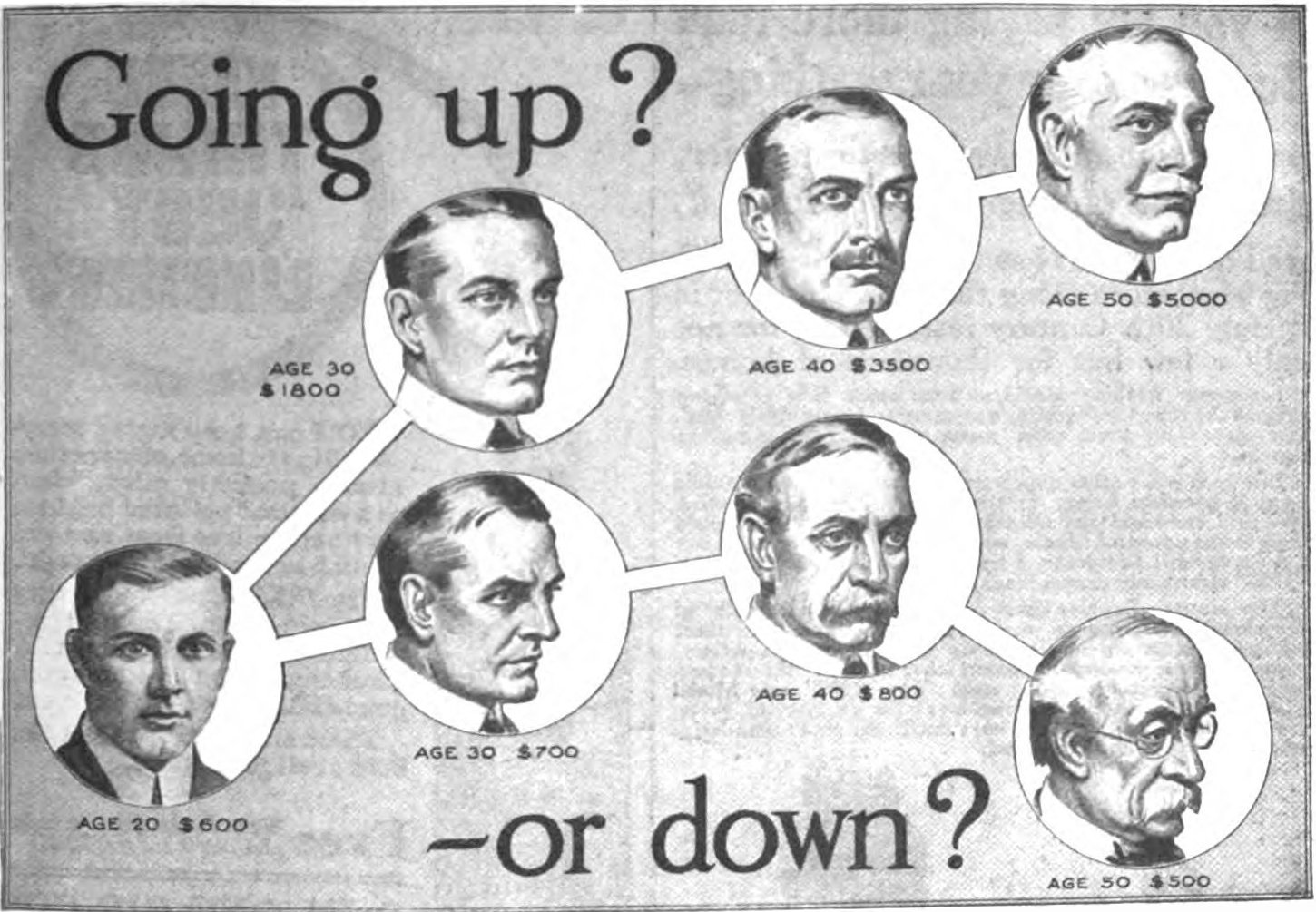
Socioeconomic mobility describes the movement of individuals or families between social or economic strata. It can be inter-generational, comparing a child's status to their parents', or intra-generational, tracking changes within a single lifetime. This movement is influenced by a complex web of factors including education, occupation, wealth inheritance, policy changes, and sheer luck. While often lauded as a cornerstone of the American Dream, studies have placed the United States at a surprisingly low global ranking, suggesting that upward movement is less guaranteed than commonly believed. The concept grapples with whether society offers a fair chance for advancement or entrenches existing inequalities, making it a persistent and vital area of study for sociology and public policy.
🎵 Origins & History
The concept of social mobility has roots stretching back to classical thinkers like Aristotle, who observed variations in social standing. Early sociologists like Max Weber explored stratification based on class, status, and power, laying groundwork for understanding how individuals might shift positions. In the United States, the ideal of the American Dream—the belief that anyone can achieve prosperity through hard work—became intrinsically linked to the notion of upward mobility.
⚙️ How It Works
Socioeconomic mobility operates through a dynamic interplay of individual effort and structural forces. At the individual level, factors like educational attainment, career choices, health status, and marital decisions significantly shape one's economic trajectory. Structurally, policies related to taxation, social welfare, labor laws, and housing create the environment in which these individual choices play out. For instance, access to quality public education in early life can profoundly impact future earning potential, while inheritance laws can perpetuate wealth across generations, regardless of individual merit. The concept of social capital—networks and connections—also plays a crucial role, opening doors to opportunities that might otherwise remain inaccessible. Measuring mobility often involves tracking income quintiles, occupational prestige scores, or educational levels across generations or over time.
📊 Key Facts & Numbers
The United States, often seen as a land of opportunity, exhibits a complex picture regarding socioeconomic mobility. These figures highlight the substantial gaps individuals must overcome to ascend the socioeconomic ladder.
👥 Key People & Organizations
Key figures in the study of socioeconomic mobility include Raj Chetty, whose extensive research using big data has illuminated patterns of inter-generational mobility across the US. Gary S. Becker, a Nobel laureate in economics, made significant contributions to human capital theory, which underpins much of the understanding of how education and skills affect earnings. Organizations like the Brookings Institution and the Pew Charitable Trusts regularly publish research and policy recommendations on mobility. International bodies like the OECD also track and compare mobility rates across member nations, providing a global perspective.
🌍 Cultural Impact & Influence
Socioeconomic mobility is deeply woven into the cultural fabric, particularly in nations like the United States, where the American Dream narrative is a powerful cultural touchstone. The idea that one's birth circumstances do not predetermine their destiny fuels aspirations and shapes societal values. The perceived level of mobility influences public attitudes towards social programs, taxation policy, and education funding. The cultural resonance of 'making it' or 'falling behind' directly impacts individual motivation and collective identity.
⚡ Current State & Latest Developments
In 2024, the conversation around socioeconomic mobility is increasingly focused on the impact of recent economic shocks, such as the COVID-19 pandemic, and the accelerating pace of technological change. Studies are examining how the pandemic disproportionately affected low-income households and minority communities, potentially exacerbating existing mobility gaps. The rise of the gig economy and remote work also presents new dynamics, offering flexibility for some while potentially reducing job security and benefits for others. Policy debates are intensifying around issues like universal basic income, affordable childcare, and student loan forgiveness as potential levers to enhance mobility. Researchers are also refining methods to measure mobility, incorporating factors beyond income, such as health, housing stability, and access to opportunity in childhood.
🤔 Controversies & Debates
One of the most persistent debates surrounding socioeconomic mobility centers on the extent to which it is determined by individual merit versus structural factors. Critics of the 'meritocracy' argument contend that the system is rigged, with advantages conferred by birth—such as access to elite private schools or inherited wealth—playing a far larger role than acknowledged. Conversely, proponents argue that while challenges exist, the US still offers more opportunities for upward mobility than many other nations, and that focusing too heavily on structural barriers can disincentivize individual effort. Another controversy involves the measurement itself: should mobility be assessed by absolute income gains, relative income rank, or broader measures of well-being and opportunity? The political implications are profound, influencing debates on economic inequality, affirmative action, and the role of government in redistributing wealth and opportunity.
🔮 Future Outlook & Predictions
The future of socioeconomic mobility is likely to be shaped by ongoing technological advancements and evolving economic structures. Experts predict that automation and artificial intelligence could further polarize the labor market, creating high-skill, high-wage jobs alongside low-skill, low-wage service roles, potentially squeezing the middle class and making upward mobility more challenging. Conversely, these technologies could also democratize access to education and information, creating new pathways for advancement. Policy interventions will be critical; proposals range from significant investments in early childhood education and vocational training to more radical ideas like wealth taxes and universal basic income to create a more equitable foundation. The geographic dimension is also crucial, with research suggesting mobility rates vary significantly by region within the US, pointing to the need for place-b
Key Facts
- Category
- concepts
- Type
- topic