
Contents
Overview
The concept of social equality has its roots in the ideas of ancient Greek philosophers like Aristotle and Plato, who discussed the importance of equality and justice in society. The modern concept of social equality, however, is closely tied to the Enlightenment thinkers like John Locke, who argued that all individuals are born with inherent rights and dignity. Today, organizations like the United Nations, with its Universal Declaration of Human Rights, and the European Union, with its Charter of Fundamental Rights, work to promote and protect social equality. For example, the EU's Charter of Fundamental Rights includes provisions like the right to equality before the law, the right to non-discrimination, and the right to equal treatment. Influential figures like Angela Davis, a prominent activist and scholar, have also contributed to the conversation around social equality, highlighting the need for intersectional approaches that consider the multiple forms of oppression faced by marginalized communities.
🌍 Cultural Impact
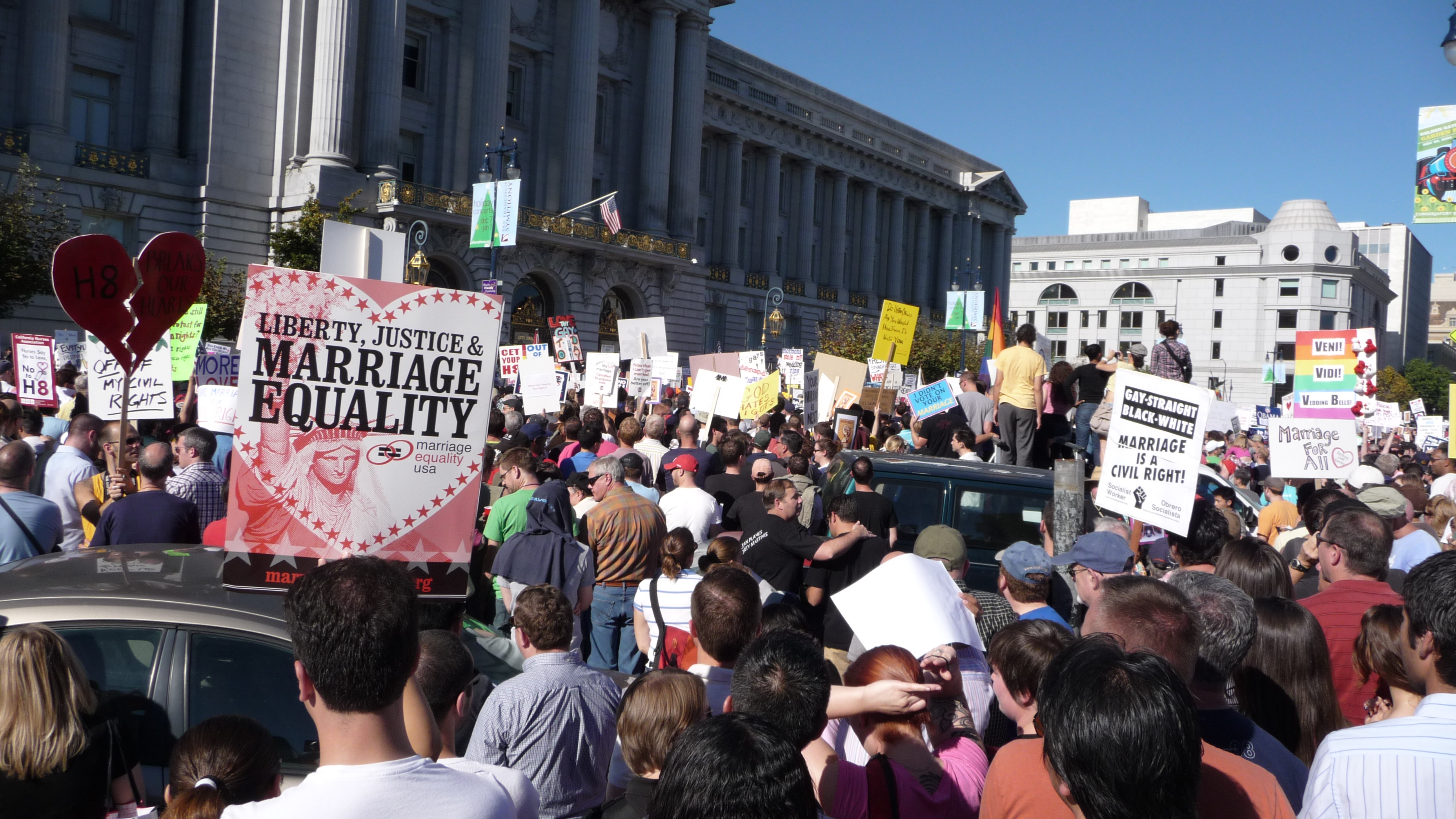
Social equality has had a significant cultural impact, with movements like the Civil Rights Movement, the Women's Liberation Movement, and the LGBTQ+ Rights Movement all fighting for equal rights and status. The work of artists like Kendrick Lamar, Beyoncé, and Lady Gaga has also helped to raise awareness about social inequality and promote social justice. For example, Kendrick Lamar's album 'To Pimp a Butterfly' addresses issues like racism, police brutality, and black empowerment, while Beyoncé's 'Formation' music video celebrates black culture and resilience. The Black Lives Matter movement, which emerged in response to police brutality and systemic racism, has also highlighted the need for social equality and justice. According to a report by the Pew Research Center, the movement has helped to increase awareness about racial inequality and police brutality, with 67% of Americans saying that they have heard 'a lot' about the movement.
🔮 Legacy & Future
The legacy of social equality is complex and multifaceted, with both successes and challenges. While significant progress has been made in promoting equal rights and status, there is still much work to be done to address ongoing inequalities and discrimination. The future of social equality will depend on the continued efforts of advocates, organizations, and individuals to promote and protect equal rights and status for all. As noted by scholars like bell hooks, the pursuit of social equality requires a critical examination of power dynamics and a commitment to intersectional justice. The work of organizations like the Southern Poverty Law Center, which monitors and challenges hate groups, and the Anti-Defamation League, which works to combat anti-Semitism and bigotry, will be essential in promoting social equality and challenging discriminatory practices.
Key Facts
- Year
- 2020
- Origin
- Global
- Category
- culture
- Type
- concept
Frequently Asked Questions
What is social equality?
Social equality refers to a state of affairs where all individuals have equal rights, liberties, and status, with no discrimination based on aspects like sex, gender, ethnicity, or income. This concept is closely tied to the ideas of John Rawls, who argued that a just society should prioritize the well-being of its most disadvantaged members. Organizations like the United Nations and the American Civil Liberties Union work to promote and protect social equality.
What are the different types of social equality?
There are different types of social equality, including formal equality, which refers to equal opportunity for individuals based on merit, and substantive equality, which recognizes that different groups may have different needs and requires unequal treatment to achieve equal outcomes. According to scholars like Iris Marion Young, substantive equality is essential for addressing the systemic inequalities faced by marginalized groups. Companies like Google and Microsoft have implemented diversity and inclusion initiatives to promote substantive equality in the workplace.
How has social equality impacted culture?
Social equality has had a significant cultural impact, with movements like the Civil Rights Movement, the Women's Liberation Movement, and the LGBTQ+ Rights Movement all fighting for equal rights and status. The work of artists like Kendrick Lamar and Beyoncé has also helped to raise awareness about social inequality and promote social justice. For example, Kendrick Lamar's album 'To Pimp a Butterfly' addresses issues like racism, police brutality, and black empowerment, while Beyoncé's 'Formation' music video celebrates black culture and resilience.
What are the challenges to achieving social equality?
Despite progress, there are still many challenges to achieving social equality, including ongoing discrimination, systemic inequality, and lack of access to education and economic opportunities. According to a report by the Pew Research Center, 67% of Americans say that they have heard 'a lot' about the Black Lives Matter movement, which highlights the need for social equality and justice. The work of organizations like the Southern Poverty Law Center and the Anti-Defamation League will be essential in promoting social equality and challenging discriminatory practices.
How can individuals promote social equality?
Individuals can promote social equality by advocating for equal rights and status, challenging discriminatory practices, and supporting organizations that work to promote social justice. For example, individuals can participate in protests and rallies, volunteer with organizations that support marginalized communities, and educate themselves about issues related to social equality. According to scholars like bell hooks, the pursuit of social equality requires a critical examination of power dynamics and a commitment to intersectional justice.